News: Tiktok, tuna and the world’s largest bee

This post is just a brief one highlighting some of the top, positive, environmental news from September 2020. Enjoy.

Tiktok

Millennials (born between 1980 and 2000) and Generation Z (late 90s- 2010s) are becoming increasingly more aware of environmental issues by using the Internet, with one notable example being the video-sharing platform Tiktok. Many users share videos of native biodiversity, restoring habitats and practical tools to help create a more sustainable life – and this isn’t a niche corner of the Internet either –  these videos are being watched and liked thousands of times, with the hashtag “biodiversity” being viewed over 12.6 million times. Creators such as “Ecotok”, a collaboration of environmentally motivated young video creators, help keep young people informed and aware of a range of environmental issues from rewilding to plastic pollution and oil companies (find Ecotok’s videos here).

Educators have also been using biodiversity memes to get their messages across in the classroom and lecture halls, while environmental organisations have been attempting to inspire younger audiences on social media, which can ensure the accuracy of information shared.” – Mersinoglu, 2020

Mersinoglu, Y.C. (2020) Green teen memes: how TikTok could save the planet. [online] Available at https://www.theguardian.com/environment/2020/aug/28/green-teen-memes-how-tiktok-could-save-the-planet-aoe (Accessed: 26/09/2020)

Vegan Tuna

The Swiss food company Nestlé has developed a new vegan make of tuna out of six ingredients including pea protein and wheat gluten. Named “Vuna”, the new product has been made to compete with other companies also pushing for meatless alternatives, but also to reduce consumption of the popular fish in the world, now almost extinct (Prestige Online, 2020). There are loads of other recipes online showing how to make similar “vegan tuna”, but this represents the first attempt at a widescale product available in supermarkets. In the UK, Wagamama also launched a vegan tuna this year made from watermelon, though they admit that it does not have much of a fish taste (Gallagher, 2020).

Prestige Online (2020) Vegan Tuna is the latest addition to the world of plant-based dining. [online] Available at: https://www.prestigeonline.com/hk/wine-dine/dining/vegan-tuna-plant-based-dining/ (Accessed: 26/09/2020)

Gallagher, S. (2020) Wagamama launches vegan “tuna” made from watermelon, but it costs £13. [online] Available at: https://www.independent.co.uk/life-style/food-and-drink/wagamama-vegan-tuna-watermelon-veganuary-a9267646.html (Accessed: 26/09/20)

Carbon neutral China

China is raising its commitment to carbon neutrality (when a country produces as much carbon dioxide as it absorbs through sequestration) in response to the global Covid-19 pandemic. This has been hailed by many as a positive sign ahead of next year’s COP26 climate meeting (Climate Home News, 2020). However, this announcement should be taken with a pinch of salt, since the number of coal-powered plants has increased this year in an attempt to speed up economic recovery in the country (Climate Home News, 2020).

Climate Home News (2020) “China is willing to contribute more”: Beijing signals carbon neutrality intent. [online] Available at: https://www.climatechangenews.com/2020/09/16/china-willing-contribute-beijing-signals-carbon-neutrality-intent/ (Accessed: 26/09/20)

Climate Home News (2020) Guterres confronts China over coal boom, urging a green recovery . [online] Available at: https://www.climatechangenews.com/2020/07/23/guterres-confronts-china-coal-boom-urging-green-recovery/ (Accessed: 26/09/20)

Successful conservation stories

Recent research has shown that conservation activity over the last 30 years has contributed to the maintenance of populations of tens of critically endangered species, including the Iberian Lynx and the Przewalski horse (Newcastle University, 2020). In fact, findings report that the extinction of 28-48 bird and mammal species was prevented between 1993-2020, and between 11-25 species between 2010-2020 (Bolan et al., 2020). Researchers came to this conclusion after identifying species with a population of less than 250 since 1993, then looking at population change with a range of conservation actions, and assessed the importance of such changes in keeping the species alive (Bolam et al., 2020).

A beautiful Przewalski horse. Source: wikipedia.org

Our results should motivate the world’s governments currently negotiating goals and targets on nature conservation in the CBD’s [Convention on Biological Diversity] post-2020 biodiversity framework to redouble their commitments to prevent extinctions. Not only is this hugely important but also, as we have demonstrated here, eminently feasible” – Bolam et al., 2020

Newcastle University (2020) At least 28 extinctions have been prevented by conservation action in recent decades. [online] Available at: https://phys.org/news/2020-09-extinctions-action-decades.html (Accessed: 26/09/20)

Bolam, F.C, Mair, L., Angelico, M., Brooks, T.M, Burgman, M., McGowan, P. J. K & Hermes, C. (2020) How many bird and mammal extinctions has recent conservation action prevented? Conservation Letters (2020)

Return of the world’s largest bee

The Wallace’s giant bee (Megachile pluto) has been rediscovered in Indonesia, after not being seen since 1981. An elusive species with a wingspan “about the size of an adult human’s thumb” (according to the original description by Alfred Wallace in 1858), the giant bee was found alive in an Indonesian forest by a team of conservationists and photographers following the exploration route that Wallace took 170 years ago (Bolt, 2019). This discovery is important considering that the species is listed as one of the IUCN’s “25 most wanted lost species”, which includes other species such as the Himalayan Quail, Sierra Leone crab and the Attenborough Long-Beaked Echidna (8).

Check out those pincers!! Here’s the big bee baby in all it’s glory. Did you know that the female are twice the size as the males? Source: wikipedia

Bolt, C. (2019) Rediscovering Wallace’s Giant Bee. [online] Available at: https://www.globalwildlife.org/blog/rediscovering-wallaces-giant-bee-in-search-of-raja-ofu-the-king-of-bees/ (Accessed: 26/09/20)

Global Wildlife Conservation (2020) Lost Species List. [online] Available at: https://www.globalwildlife.org/lost-species-list/ (Accessed: 26/09/2020)

You may also like…

Scottish Wildcat Conservation

Badger Culling

Positive news at the start of a pandemic

Great Crested Newts

Seasonal eating: what’s the point?

Today we are back with my most favourite topic: FOOD! This post is going to look at seasonal and local produce,  our perceptions of what is “seasonal” and whether eating with the seasons is better for the environment. Enjoy!

Our supermarkets today allow us to purchase food products from all over the world. This incorporates hefty food miles (the distance which your food has taken to get to your mouth), intensive agriculture and associated social and environmental damage (La Trobe & Acott, 2000). Growing foods in artificial environments has become more and more profitable. For example, in Guatemala it is better to produce and export meat than to keep it for your family and community (La Trobe & Acott, 2000). The proportion of domestic food production is decreasing around the world – in Brazil, increasing exports of basic foodstuffs has pushed domestic production right down, and unemployment is rising through increased mechanisation (La Trobe & Acott, 2000). The system of optimising production not only puts money before people, but also before the environment -pesticides and fertilisers used without restraint pollute waters, create health issues for workers and increase likelihood of pest resistance, making damage to crops more likely (La Trobe & Acott, 2000).

 “It is estimated that each item of food now travels 50% further than it did in 1979” – La Trobe & Acott, 2000

Increasing environmental awareness has led to the consumption of seasonal and local produce gaining popularity. But what is “seasonal” produce? In their research on the topic, Brooks et al. (2011) found that consumers believed the definition to encompass food that is grown and possibly consumed during its natural growing season, without artificial heat/light. Consumers also believe that seasonal produce tends to be healthier, fresher and tastes better (Tobler et al., 2011; Wilkins, 2002), which is the main driver for many towards seasonal fruits and vegetables. Interestingly, consumers at food cooperatives were more aware and more likely to buy seasonal produce than those at a typical supermarket in the US, since they had greater exposure to the region from which products had been grown through labelling (Wilkins, 2002).

The environmental basis behind choosing seasonal and local produce stems from a range of reasons, including reducing air miles, reducing plastic packaging (from buying at farmers markets for example, rather than supermarkets where exotic foods are wrapped to preserve their freshness), supporting local farmers and reducing energy through chilling/freezing in storage (Brooks et al., 2011). Consumers are aware of these factors, but the importance of each can be skewed by personal opinion and willingness to change purchasing habits – for example, consumers rated the need to reduce plastic packaging as being much more environmentally beneficial than reducing meat consumption of buying organic produce, despite the fact that the latter are more beneficial in terms of life cycle analysis (which includes carbon and water production) (Tobler et al., 2011).

Sourcing food from across the globe that is ‘in season’ and produced during its natural growing period will, in some cases, have a lower environmental impact than sourcing food produced ‘out of season’ but locally” – Brooks et al., 2011

Outdoor crops grown during their natural season reduces the need for heating, air freight and storage when consumed locally to production. But the need to consume “locally” seasonal produce is heavily stated in the academic literature – even though producing food following the seasons will reduce environmental damage, when they are not eaten locally there can still be huge air miles associated with it. Bioregionalism is the term used to describe the idea of focusing on the natural resources that the local region, climate and soil can produce, and is suggested by La Trobe and Acott (2000) to have the potential to change our food systems for the better. Yet there are still examples where seasonal food can be less environmentally friendly than more intensively grown out-of-season foods – for example, seasonally produced summer strawberries grown outside in the UK had a larger water and land footprint than those produced in greenhouse conditions in the autumn (Brooks et al., 2011).

File:Strawberries.jpg - Wikimedia Commons
Fruits and vegetables were the most commonly identified food types when asked for examples of “seasonal” foods (Wilkins et al., 2002).

What then is an environmentally conscious consumer supposed to eat?! The main messages from this research highlight the importance of consuming locally – it takes 47x as much energy to transport food by plane than by boat (La Trobe & Acott, 2000), and even less if it’s grown in the farm down the road to you. Eating seasonal produce makes sense only when it has been produced locally, and even more sense if it is organic. Organic systems aim to integrate sustainability into the heart of their operations – through employing more people, reducing chemical usage and producing high-quality goods (La Trobe & Acott, 2000). But again, don’t be distracted by the word “organic” –  twenty years ago, the UK imported  70% of its organic produce (La Trobe & Acott, 2000), and today almost half of all our food Is imported from abroad (Defra, 2020). My advice is therefore this: hesitate when buying seasonal produce – check that it is seasonal and local to you. The combination of locally produced and seasonally grown is the key to reducing the environmental damage of the food on your plate.

Seasonal-food-chart
Seasonal foods for the UK. Source: http://www.coffeeandcrumpets.com

Seasonal UK Food examples

FoodSpringSummerAutumnWinter
Apples   X
Beetroot  XX
NettlesX   
Lettuce X  
New PotatoesXX  
Strawberries X  
Watercress  XX
Source: Naturaler, 2019

Maybe you’ll also like…

Conservation and food production

Dairy

Stress and diet

My experiences with Veganuary

What makes a sustainable diet?

References

Brooks, M., Foster, C., Holmes, M. & Wiltshire, J. (2011) Does consuming seasonal foods benefit the environment? Insights from recent research. Nutrition Bulletin36(4), pp.449-453

Department of Environment, Food and Rural Affairs (2020) Food Statistics in your Pocket: Globla and UK Supply. [online] Available at: https://www.gov.uk/government/publications/food-statistics-pocketbook/food-statistics-in-your-pocket-global-and-uk-supply (Accessed: 22/09/20)

La Trobe, H.L. & Acott, T.G. (2000) Localising the global food system. International Journal of Sustainable Development & World Ecology7(4), pp.309-320

Naturaler (2019) Printable Seasonal Food Chart UK. [online] Available at: https://naturaler.co.uk/seasonal-food-chart/ (Accessed: 22/09/2020)

Tobler, C., Visschers, V.H. & Siegrist, M. (2011) Eating green. Consumers’ willingness to adopt ecological food consumption behaviors. Appetite57(3), pp.674-682

Wilkins, J.L. (2002) Consumer perceptions of seasonal and local foods: A study in a US community. Ecology of food and nutrition41(5), pp.415-439

REDD+: How effective are carbon offsetting schemes?

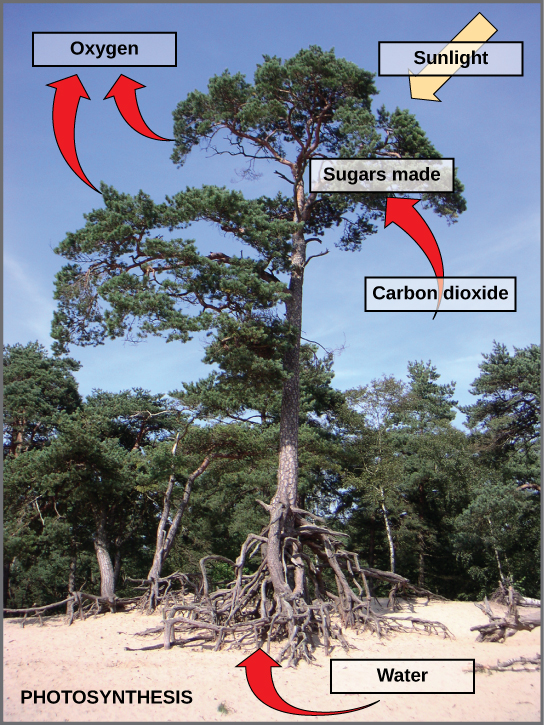
Forests are one of the greatest “carbon sinks” we have. By storing carbon, trees help to mitigate climate change, as atmospheric CO2 concentration is reduced. 1 billion hectares of land are currently suitable for restoration and could sequester 140 billion tonnes of CO2 by 2030 – that’s more than Japan emitted during the whole of 2017 (Alexander et al., 2011). Woodlands therefore provide a huge service to us, yet we don’t exactly treat them well – deforestation particularly in tropical regions has a huge impact on the lungs of the Earth, driven by mining, agricultural expansion, resource use and land conversion (Stand For Trees).  And carbon stocks aren’t the only thing affected by deforestation – soil degradation, water pollution, biodiversity losses and a whole host of other nasties come when our trees are destroyed.

Reading: Introduction to Photosynthesis | Biology (Early ...
How trees use carbon in photosynthesis. Source: lumenlearning.com

In 2008, The UN Framework Convention on Climate Change (UNFCCC) introduced a mechanism abbreviated as REDD+ (Reducing Emissions from Deforestation and Forest Degradation) to combat deforestation. Originally, improving forest stocks was the main focus – but now REDD+ schemes have a variety of aims including improving biodiversity, community relationships and safeguarding the rights of indigenous peoples (Alexander et al., 2011). 

So how do REDD+ initiatives work?

The main purpose of REDD+ schemes is to incentivise and fund forest conservation in countries which have the best forest stocks. The REDD+ scheme puts a price on the carbon stored within each living tree, making it more profitable for forest managers to keep their forests alive than to deforest them. 

For example, people in developed countries can purchase carbon credits, which are a measure of carbon which you wish to offset/save. These payments are then distributed through the REDD+ initiatives to landowners, upon verification that they have protected their woodland stocks. So when landowners can prove that they have improved the carbon stocks of their forests by preventing deforestation, they receive money. 

“Funding rewards good forest management in developing countries and makes poor forest management, such as indiscriminate unenforced logging, less profitable than the sustainable alternative.”  –  International Institute for Environment and Development

By offering these funds, protecting forest stocks is in theory made more profitable than exploiting them (University of East Anglia Development School, 2018). And in some cases, REDD+ schemes have seen success – for example, Brazil has reduced it’s deforestation rate by 71% from 2004 levels, partly as a result of $1.1 billion funding from Norway through REDD+ schemes since 2008 (Jong, 2017). Brazil is not the only country benefiting from external funding to protect forests – there are now 47 participating developing countries located across the tropical areas of the world, in Africa, Latin America and Asia (Forest Carbon Partnership, 2018).

Using financial incentives in forest management has opened an avenue of conservation funding in many areas. But it has also promoted recentralisation of forest governance, meaning forested land has been taken under the control of the state, often displacing and excluding local inhabitants from decision making (Phelps et al, 2010). 

REDD+ is an externally-driven program. Because of this, schemes can completely interfere and change the lives of local people, by causing job losses or restricting forest usage (University of East Anglia Development School, 2018), as they are not considered by external actors who focus solely on the “bigger picture”. Land ownership is a common example of this: when external actors are encouraged to safeguard forests, it can push out the people who live on the land, even though legally they don’t own it. Tenure transitions are therefore needed to ensure that local people responsible for forest maintenance are legally identified as having rights to the benefits associated with the REDD+ initiatives (Sunderlin et al, 2013). Research shows that giving local people autonomy for forest management often results in greater forest carbon storage and higher livelihood benefits (Chhatre & Agrawal , 2009). Unfortunately land tenure in many countries is uncertain. 

One of the biggest challenges for REDD+ recipients is to design reforestation or restoration projects and programs that are effective in sequestering carbon and promoting biodiversity conservation while also economically beneficial to communities and landowners” – Alexander et al., 2011

Alongside preventing deforestation, the aims of REDD+ now also encompass securing land tenure, improving biodiversity, improving fire regime and soil quality, and reducing degradation of land and water (Alexander et al., 2011). If these aims are met, schemes which offer funding to the poor communities which rely on woodlands could be hugely beneficial. An example from the Democratic Republic of Congo shows that since joining the REDD+ initiative in 2008, protection of forests has been achieved alongside the promotion of sustainable livelihoods. Local people are provided the education and tools necessary to grow wood and cocoa sustainability, to develop new technology to improve savanna soils and to even create new stoves for women which use less wood charcoal, reducing the need for deforesting (World Bank 2017). Alternative livelihoods such as beekeeping and anti-poaching patrols have also been successful in projects in Zimbabwe, since honey can be sold at a high price and provides a regular income away from chopping down trees (South Pole, 2013).

But many hardcore nature-lovers might be thinking – isn’t putting a price on nature morally ambiguous? In some ways, REDD+ promotes commodification of natural resources (Corbera et al, 2012). This is a “selling nature to save it” approach which has a role in communicating the importance of conservation to policy makers, but implies nature should be profitable in order for people to care. Not only does this approach ignore the intrinsic value of ecosystems, but assessing value according to ecosystem services which are constantly changing is inappropriate. But many would argue that the capitalist system in which we operate demands that money be assigned to nature, to make its value known in a tangible and understandable way.

A number of challenges still remain for REDD+ schemes. From the very set up of such initiatives, simple questions arise which could greatly affect a project. For example, how will forests be monitored to ensure that they are in fact being protected as agreed (Alexander et al., 2011)? Which actions are going to be most effective at deterring deforestation – increasing monocultures? Mixed-planting? And most importantly, how can REDD+ schemes ensure that income goes to the local communities and workers in the informal economy, responsible for the forests (Alexander et al., 2011)?

REDD+ schemes can be hugely effective in improving forest protections and providing for local communities. However, they are not without problems. Many conservationists are against the idea of putting a price on nature, as REDD+ schemes do, by assigning an economic value to the carbon stored in trees. But without such an incentive, governments will instead prioritise money-making schemes which destroy a “worthless” environment, such as huge infrastructure projects, which can both negatively affect woodlands. While not a perfect solution, REDD+ initiatives may yet provide an effective way to secure the funding necessary for this world wide conservation.

This post was written as a collaborative post with Beth from Green Ambition – check out her stuff here!

Learn more about…

Ancient woodlands in the UK

Palm Oil

Ecotourism

Environmental Justice

References

Alexander, S., Nelson, C.R., Aronson, J., Lamb, D., Cliquet, A., Erwin, K.L., Finlayson, C.M., De Groot, R.S., Harris, J.A., Higgs, E.S. & Hobbs, R.J. (2011) Opportunities and challenges for ecological restoration within REDD+. Restoration Ecology, 19(6), pp.683-689

Chhatre, A. & Agrawal, A. (2009) Trade-offs and synergies between carbon storage and livelihood benefits from forest commons. PNAS, 106 (42) pp.17667-17670

Corbera, E. (2012) Problematizing REDD+ as an experiment in payments for ecosystem services. Current Opinion in Environmental Sustainability, 4, pp.612–619

Forest Carbon Partnership (n.d.) REDD+ Country Participants. [online] Available at: https://www.forestcarbonpartnership.org/countries (07/09/2020)

International Institute for Environment and Development (n.d.) REDD: Protecting climate, forests and livelihoods. [online] Available at: https://www.iied.org/redd-protecting-climate-forests-livelihoods (Accessed: 07/09/2020)

Jong, H.N (2017) Indonesia tries to learn from Brazil’s success in REDD+. [online] Available at: https://news.mongabay.com/2017/11/indonesia-tries-to-learn-from-brazils-success-in-redd/ (Accessed: 07/09/2020)

Phelps, J., Webb, E. & Agrawal, A. (2010) Does REDD+ Threaten to

Recentralize Forest Governance? Science, 328, pp.312-313

South Pole (2013) Kariba REDD+ in Zimbabwe. [online] Available at: https://www.youtube.com/watch?v=Rsg5KXroL0o (Accessed: 07/09/2020)

Stand For Trees (n.d.) Stand for trees: how it works. [online] Available at: https://standfortrees.org/how-it-works/ (Accessed: 07/09/2020)

Sunderlin, W., Larson, A., Duchelle, A., Resosudarmo, I., Huynh, T., Awono, A. & Dokken, T. (2013) How are REDD+ Proponents Addressing Tenure Problems? Evidence from Brazil, Cameroon, Tanzania, Indonesia, and Vietnam. World Development. 55, pp. 37-52

University of East Anglia Development School (2018) REDD+ in the spotlight. [online] Available at: https://www.youtube.com/watch?v=vjNPwpI3X0k (Accessed: 07/09/2020)

World Bank (2017) REDD+ Republic of Congo: Engaging Communities in Sustainable Forest Management Brings Benefits. [online] Available at: https://www.youtube.com/watch?v=PtzdL60giZE (Accessed: 07/09/2020)

Smart Shorts III: Can eating Quorn help you save the planet?

Have you ever sat down for dinner, started tucking into a Quorn lasagne, escalope or the best of the best (in my opinion) the Quorn nugget, and wondered to yourself… What is this?

Well, I have! So to answer my own question (and hopefully satisfy your curiosity too), this blog post will cover what Quorn is, whether it is as good for you as Mo Farah would have you believe, and whether it is good for the planet. Feel free to finish that plate of nuggets whilst reading the post…

What is Quorn?

Quorn is a product sold in the UK, USA and Europe, which has been around since 1985 (Wiebe, 2004). It is made of the sort-of root structure (“mycelium”) of the fungus Fusarium venenatum, but don’t let the word fungus make you think of mushrooms – others have instead described it as a mould, since it is more similar in appearance to mould than to your average portobello (BeHealthyNow.co.uk, 2019). Prior to its release for sale to the general public, extensive research and testing for over 15 years was conducted (Wiebe, 2004), which revealed not only its safety for human consumption, but also its nutritional benefits – for example, it has an amino acid* content comparable to eggs or cottage cheese (Sadler, 1988), almost no cholesterol* and a high fibre content (Wiebe, 2004). It is also comparable to some meats in terms of iron content (Sadler, 1988), meat or tofu in texture, taste and aroma (though this is subjective…), and could even be used to reduce the fat content of cereals, yogurt and ice cream (Wiebe, 2004).

File:Quorn Logo 2015.jpg - Wikimedia Commons

Quorn is a very attractive option for many consumers, whether they be vegetarians missing the texture of meat, busy families looking for new and exciting dinner options, or people who just enjoy the products more than the meatier versions – 30% of the UK population reported buying meat-substitutes such as Quorn on a regular basis (Apostolidis & McLeay, 2016), and the company is expected to be a billion-dollar business by 2027 (Blythman, 2018).

However, the company has still faced criticisms. Reports have been made from over 2000 people that Quorn has caused adverse effects, such as nausea, allergic reactions, vomiting, hives and difficulty breathing (Blythman, 2018). In the grand scheme of things however, reactions remain extremely rare and the safety of the products have been extensively tested – Quorn CEO even claimed that the products are “as benign as a potato” (Blythman, 2018). Some consumers remain wary however – the highly processed nature of Quorn products is off-putting to many, who prefer to know exactly what they are eating. But is it worth it if it’s a sustainable protein source with a low environmental impact?

Good for the planet?

Producers of Quorn grow the fungus through a process known as fermentation, which is the same technique used to make beer and bread. This means that the final product does not contain the antibiotics or hormones associated with meat production, and has a much smaller environmental footprint. For example, it was found through full life cycle analyses* that Quorn products have a carbon footprint 10x lower than beef and 4x lower than chicken; use 10x less water than beef and 3x less than chicken, and use the lowest amount of water compared to all other meat and vegetables (including tofu, cereals, pulses and vegetables) in the study, per gram of protein produced (Finnigan, Needham & Abbott, 2017). Clearly, meat-alternatives such as Quorn benefit the environment when they are used as substitutes for meat, whose production is associated with widespread deforestation and biodiversity loss (Apostolidis & McLeay, 2016). And since most meat-eaters cite their love for the taste of meat as the main reason preventing them from reducing their intake (Apostolidis & McLeay, 2016), meat-like Quorn products are a useful tool in curbing meat consumption.

The need for new, more environmentally sustainable protein sources is essential if we are to feed a population which will be 30% larger than today by 2050 (Finnigan, Needham & Abbott, 2017). Quorn products have even been shown to be more efficient at providing dietary protein than vegetables (Finnigan, Needham & Abbott, 2017), a finding which is not only surprising but also reassuring if you eat as many Quorn nuggets as me…. And when half of the world’s antibiotics are given to farmed animals in an industry which is also highly inefficient and damaging, it is time for products such as Quorn to be put on the menu everywhere, to improve health and slow environmental degradation.

*Glossary

Amino acid: Amino acids are the building blocks of proteins in their body. We get them through our diet by consuming protein-rich foods such as meat, eggs, dairy products, lentils and other vegetables.

Cholesterol: Cholesterol is a fat-like substance in the body. There are two main types, one of which (low-density lipoproteins) is associated with heart attacks and strokes, since its texture is like that of fat. Together with other substances, cholesterol forms plaque, which can narrow the arteries of the heart.

Life cycle anaylsis: Life-cycle analysis is the term used to describe a type of product analysis which looks at its full life cycle – from its production, use, disposal, recycling and back to its production again. It is also known as “cradle-to-grave analysis”, and is a useful indicator of the overall environmental impact of a product at all stages of its production and consumption.

References

Apostolidis, C. & McLeay, F. (2016) It’s not vegetarian, it’s meat-free! Meat eaters, meat reducers and vegetarians and the case of Quorn in the UK. Social Business6(3), pp.267-290

BeHealthynow.co.uk (2019) Is Quorn Healthy? [online] Available at: https://www.behealthynow.co.uk/nutrition/is-quorn-healthy/ (Accessed: 02/09/2020)

Blythman, J. (2018) The Quorn Revolution: the rise of ultra-processed fake meat. [online] Available at: https://www.theguardian.com/lifeandstyle/2018/feb/12/quorn-revolution-rise-ultra-processed-fake-meat (Accessed: 02/09/2020)

Finnigan, T., Needham, L. & Abbott, C. (2017) Mycoprotein: a healthy new protein with a low environmental impact. Sustainable protein sources, pp. 305-325

Sadler, M. (1988) Quorn. Nutrition & Food Science. June edition.

Wiebe, M.G. (2004) Quorn TM myco-protein-overview of a successful fungal product. Mycologist18(1), pp.17-20

Don’t go! Read more about:

How to solve a food crisis

What makes a sustainable diet?

Veganism and the environment

All other food topics

Lifestyle and sustainability topics

Palaeoecology: how an understanding of ancient savannas helps inform elephant management

Despite their role as a conservation flagship species, elephants can be highly destructive to their natural environment. They play a huge role in the management of savanna ecosystems across Africa, but in some areas, the widespread damage they bring to vegetation and farmer’s land makes them a pest. Two main control methods have been suggested for elephants – culling or a hands-off approach of letting nature “do its thing”  (Gillson, 2015). But often the theory behind conservation targets is overshadowed by arguments over which management technique is best. This post will cover how conservation targets are set, when they are appropriate, and how this affects elephants in African savannas.

African bush elephant - Wikipedia
Cheeky African bush elephant pic, couldn’t be avoided. Source: wikipedia.org

Equilibrium Theory

Historically, static habitat states were used to define conservation targets, without any consideration of fluctuations in the ecosystem. For example, managers in Kruger National Park limited elephant population to the arbitrary value of 7000 individuals (Gillson, 2015), without considering the long-term dynamics of the species, nor how it would be affected by external influences such as climate or fire. Setting firm baselines is risky as they are not often correct for the habitat: for example a target vegetation level was set for Kruger National park which turned out to be far too high, as a rinderpest outbreak had recently devastated wild animal populations and lead to an abnormally high level of vegetation (Gillson, 2004). The “ideal” state for conservation also depends on how far into the past you look, a problem known as “shifting baselines”.

Instead of this approach, equilibrium theory presents the idea that species and their habitats are in a fluctuating equilibrium (balance), and that any human interaction disturbs this natural relationship between predators and prey. Ecosystems are in constant flux, with natural variability integral to habitat health. This approach is supported by findings of variability in savanna habitats: for example, a savanna-woodland cyclicity of around 250-500 years occurs in Tsavo National Park in Kenya, as identified by paleoecological data (Gillson, 2004).

Savanna - Simple English Wikipedia, the free encyclopedia
Savanna habitat is characterised by a mixed woodland-grassland ecosystem with widely spaced trees. Source: wikipedia.org

Paleoecological data is important for understanding the limits of natural variability and influencing flexible management. By providing long-term perspectives on climate history, precipitation levels, fire frequency and vegetation abundance (through fossilised pollen and charcoal) (Gillson, 2004), insights can be made into arid ecosystem health prior to human interference, as well as the effectiveness of previous management practices. For example, changes in fire frequency identified in Kruger National Park indicated early fire suppression, used to manage vegetation across the site and therefore elephant populations (Gillson & Marchant, 2014). Historical records also show how elephant population varied during periods of culling; in Addo Elephant National Park, culling was used in response to elephants destroying farmers land, due to lack of boundaries between territories (Whitehouse & Kerley, 2002). Reactive approaches such as this are now being replaced with more proactive approaches which better align with the natural elephant population variability

Adaptive management

Adaptive management focuses on maintaining the resilience and natural fluxes in population density of elephants across Africa (Gillson & Marchant, 2014). In Kruger National Park, instead of setting a defined population limit for the elephants at the site, losses in vegetation are permitted to fluctuate at around 80% locally or 30% across the park (Gillson, 2015). This gives a wider scope of acceptability for the habitat, and reduces the need to focus on culling for the sake of culling. Another example of proactive management is by using controlled water points across a national park in Zimbabwe to reduce local elephant density (Chamaille-Jammes, 2007). Such equilibrium-based approaches are founded on evidence of the importance of natural disturbance, variability and fluxes in the savanna ecosystem.

In summary, paleoecological information is vital to managing elephant populations because it helps define a more flexible range of acceptable habitat for savannas. This understanding can be used to develop more appropriate and efficient management targets, such as through adaptive management. Improving the effectiveness of habitat management will reduce the strain on conservation funds, whilst reducing the need for culling of unsustainable elephant populations. Improving the theory behind setting conservation targets is the first step towards developing a sustainable approach to the management of one of the world’s most charismatic animals.

Read more about…

Palaeoecology and fire

How did humans get here?

Pleistocene rewilding

References

ChamailléJammes,S., Valeix, M. & Fritz, H. (2007) Managing heterogeneity in elephant distribution: interactions between elephant population density and surface‐water availability. Journal of Applied Ecology44(3), pp.625-633

Gillson, L. (2015) Biodiversity conservation and environmental change: using palaeoecology to manage dynamic landscapes in the Anthropocene. OUP Oxford.

Gillson, L. (2004) Evidence of hierarchical patch dynamics in an East African savanna?. Landscape Ecology19(8), pp.883-894

Gillson, L. (2004) Testing non-equilibrium theories in savannas: 1400 years of vegetation change in Tsavo National Park, Kenya. Ecological Complexity1(4), pp.281-298

Gillson, L. & Marchant, R. (2014) From myopia to clarity: sharpening the focus of ecosystem management through the lens of palaeoecology. Trends in Ecology & Evolution29(6), pp.317-325

Whitehouse, A.M. & Kerley, G.I. (2002) Retrospective assessment of long-term conservation management of elephants in Addo Elephant National Park, South Africa. Oryx36(3), pp.243-248

Which is the real problem: Overpopulation or Overconsumption?

In 2015, 141 million people were born – 44 million more than was recorded 65 years earlier (Ritchie, 2019).  Our current population stands at over 7 billion, and could reach 9 billion by 2050. This puts a lot of strain on our planet’s resources, and leads many to believe that with fewer mouths to feed, a lot of our environmental issues would be less significant. But is overpopulation really the problem?

If human population growth is not controlled voluntarily, it will eventually be controlled coercively. The death rate will catch up with the birth rate–through starvation and famines, through diseases (e.g., AIDS, which is already ravaging Africa), or by wars and genocide” – Oskamp (2000)

The idea of overpopulation was initially brought to public attention through the work of the British economist Thomas Malthus. His report, entitled “An Essay on the Principle of Population as it Affects the Future Improvement of Society” (1798) criticised the idea that life would improve indefinitely for people on Earth, instead predicting how unlimited population growth would outstrip food production, leading to a number of checks on population as a result, namely disease, famine and war. Advances in medical and agricultural technologies have already led to the huge population we have today (Hanauer, 1998), yet some estimate that the maximum number of people that our planet can support could be up to 200 billion (Toth & Szigeti, 2016). With this many people to cater for, it is hard to believe that any quality of life can be sustained by the majority. In fact, quality of life is already being greatly affected due to the strains of overcrowding, whether it be through strained infrastructure (Welch, 1993), loss of open space or poor air quality (Hanauer, 1998). But is this more to do with over-consumption than overpopulation?

Was Thanos right in believing the only way to get rid of the ills of humanity, is to kill us all off?! Source: Wikipedia.

Overconsumption is the idea that we in the Western world, or the richest 1%, are consuming an unsustainable volume of resources. According to recent research, population, which used to be the key driver to environmental degradation, is now one of the least influential factors, having been replaced by consumption (Toth & Szigeti, 2016). This seems obvious, given that the 23% of people living in developed countries consume 66% of the world’s resources (Hanauer, 1998).

We can conclude that population growth has always been the main driver in our biosphere transformation. But from 50–80 years ago there has been a stronger driver in our growth and biosphere transformation: accelerating consumption.” – Toth & Szigeti (2016)

An average middle-class American consumes 3.3x the amount of food and almost 250x the amount of water necessary for living (Whiting, 2018). If everyone followed this lifestyle, the world could cope with around 2 billion people, 3.5x fewer than today. Scientists mark a day every year known as “Earth Overshoot Day”, which is the point at which all of the Earth’s resources have been used up. In 2018, it was held on the 1st August, meaning all our resources were used up within 8 months (Whiting, 2018).

But according to Hanauer (1998), population remains the critical issue – after all, you can’t have overconsumption without the people to do the consuming. They argue that even if we can decrease our personal ecological footprint, a high number of small ecological footprints will still lead to widescale habitat loss and species extinctions.  But this argument is flawed, as it assumes that everyone has an equally sized ecological footprint (or environmental impact), so that reducing population will reduce consumption in a predictable, measurable amount per person– this is clearly not the case.  In fact, this line of thinking is damaging, since it pins the blame on nations where birth rates are much higher, even though each individual in many Asian or African countries consumes far less than a single American or British person. Instead, consumption should be the focus for change.

The assumption that constant consumption will lead to economic growth, progress and social stability (Oskamp, 2000) is simply untrue. How can it be considered progress when affluent nations exploit and exhaust the natural resources of poorer nations, leaving them with far less? Overconsumption, greed, and poor resource management might be the real reasons behind some of the key negatives associated with population growth (Active Sustainability, 2019). For example, starvation across some of Asia’s richest rice-growing areas was not because of a lack of food, but instead because of exploitation through colonialism (Welch, 1993).

So what can we do about our impact on the environment?

In terms of population control, a lot can be done. For example, promoting family planning programs has been a successful approach so far – family planning promotes limiting family size, which has been found to increase economic opportunities for women (Oskamp, 2000). In fact, women with a higher level of education have fewer children on average – in Ghana, women who had gone to high school had 2-3 children, when their less educated peers had six on average (Active Sustainability, 2019). But again, this narrative of focusing on population control of poorer nations seems to perpetuate the idea that it is these nations who are to blame for the problems we are facing – instead, it is time for more concrete action to be taken to limit consumption in the Western world.

Individual behavioural choices are shaped by societal and political norms. It is therefore crucial that institutions do more to encourage pro-environmental behaviour (Oskamp, 2000)– not an easy task, considering how business makes money through encouraging consumption. A lot needs to happen before overconsumption is regulated, and a lot of challenges remain – How can society change to promote environmental protection and reduced consumption? How can money be diverted from technological fixes to encourage behavioural change?

Earth provides enough to satisfy every man’s need, but not every man’s greed.” – Mahatma Gandhi

Many of us are highly concerned about the state of our environment – it is long past the time we did more to fix it.

Learn more about….

Minimalism

How to feed the planet

A sustainable diet

Sharing Economy

Combating fast fashion

References

Hanauer, M.G. (1998) Overpopulation and overconsumption: Where should we focus. In NPG forum, March. Negative Population Growth, Washington, DC.

Oskamp, S. (2000) A sustainable future for humanity? How can psychology help?. American Psychologist55(5), p.496

Ritchie, H. (2019) How many people die and how many are born each year? [online] Available at: https://ourworldindata.org/births-and-deaths (Accessed: 12/08/2020)

Rosenberg, M. (2019) Thomas Malthus on Population. [online] Available at: https://www.thoughtco.com/thomas-malthus-on-population-1435465 (Accessed: 12/08/2020)

Toth, G. & Szigeti, C. (2016) The historical ecological footprint: From over-population to over-consumption. Ecological Indicators60, pp.283-291

Welch, A.M. (1993) Health in the developing world. Overpopulation and overconsumption. BMJ: British Medical Journal307(6900), p.387Whiting, K. (2018)David Attenborough: The planet can’t cope with overpopulation. [online] Available at: https://www.weforum.org/agenda/2018/10/david-attenborough-warns-planet-cant-cope-with-overpopulation/ (Accessed: 12/08/2020)

What has Boris got against newts?!

Last month (July 2020) the UK prime minister Boris Johnson said the following words:

“Time is money. And the newt-counting delays in our system are a massive drag on the productivity and prosperity of this country.”

…What’s that all about? What are newt-counting delays, and how are newts linked with societal productivity and prosperity? This post aims to answer these questions, whilst also highlighting the importance of these little guys in the UK.

The Great Crested Newt is a species of amphibian found all over Britain (Griffiths, 2004). It is one of the best studied amphibians in England, and is also one of the best protected, as it is illegal to disturb, capture, harm or kill them under UK and EU law (Habitats Directive) (Griffiths, 2004; Biggs ­et al., 2015). The species is important as it plays several beneficial roles to the ecosystem it inhabits. For example, newts are involved in nutrient cycling as their duel habitat of both pond and land allows breakdown and transfer of nutrients, improving soil quality (Black, 2017). They also eat midges, which can transmit diseases to cattle and affect livestock production (Black, 2017). Great Crested newts have experienced a serious decline in numbers over the last 60 years, as the number of ponds in the UK has halved since the start of the 20th Century (Natural England, 2020). And because they are a species of principle importance under the Natural Environment and Rural Communities Act 2006, local authorities have a legal duty to ensure that they are protected.

Triturus cristatus: Great Crested Newt | An adult female ...
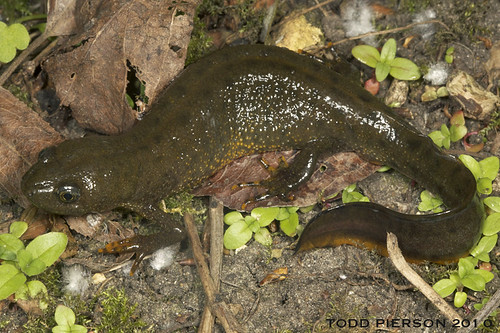
Female Great Crested Newt. Source: Todd Pierson, 2010

Though they might not have the charismatic appeal of a koala or a polar bear (if they did, perhaps Boris wouldn’t have blamed them for pulling down the economy), they are still unique and interesting – for example, male newts grow their crests in spring and “dance*” to waft chemicals to females during mating (The Wildlife Trusts, 2017).

*Having watched a video of said dance, I can confirm that it is not the Hugh-Grant-dancing-in-Love-Actually sort of dance I had expected, but more of a rhythmic wobble.

Perhaps it is this uniqueness and rarity that makes the newts worth conserving. But not everyone agrees with this opinion. In fact, many people, like Boris Johnson, see newt conservation as a development-halting hassle and a threat to economic growth. This is because when a development is proposed, an ecological assessment of the site must be conducted, to ensure that the damage that is being done to the affected habitats can be reduced and/or mitigated. If newts are found at the proposed site, development plans must then change, to account for mitigation and restoration of their habitat.  Development and conservation can clash, and because it is easy to blame an external, uncontrollable influence on the failure of a project, newts get a bad reputation. And it is true that in some cases newts have caused temporary delays to projects, most notably to the chapel which singer Ed Sheeran wished to build on his private estate (Dowling, 2018). But is it right that newts should be known as “tiny dragons that hate prosperity”? (Dowling, 2018).

Research has found that instead of ecological surveying being the main cause for slowed development, market forces are to blame, and that the protection of the species afforded by the Habitats Directive leads to delays in relatively few developments (Foster, 2020). As well as this, ecological surveying practices of newts is improving – earlier this year, the government launched a “District Level Licensing” scheme which works at a landscape rather than site-scale to identify areas where development should be avoided, and where new habitats can be created (Natural England, 2020). The point of this is to highlight hotspots for newts prior to development starting, so that holdups can be avoided altogether, rather than dealt with further down the line. The growing use of environmental DNA (eDNA) to identify newts, where water samples are taken and the DNA of newts is identified from them, also speeds up surveying whilst still being a highly reliable way to detect presence (Biggs et al., 2015).

The government’s 25 Year Environment Plan aims to “embed an environmental net gain principle for development” (HM Government, 2018). If this is to be achieved, environmental protection shouldn’t be a “drag on productivity” – instead, if considered as an essential part of planning rather than red tape preventing building, the challenge of creating a habitat for one of Britain’s only native amphibians could instead be an opportunity for innovation.

References

Biggs, J., Ewald, N., Valentini, A., Gaboriaud, C., Dejean, T., Griffiths, R.A., Foster, J., Wilkinson, J.W., Arnell, A., Brotherton, P. & Williams, P. (2015) Using eDNA to develop a national citizen science-based monitoring programme for the great crested newt (Triturus cristatus). Biological Conservation183, pp.19-28

Black (2017) In defence of Great Crested Newts: why these elusive amphibians are worth the worry. [online] Available at: https://theconversation.com/in-defence-of-great-crested-newts-why-these-elusive-amphibians-are-worth-the-worry-77288 (Accessed: 08/08/2020)

Dowling, T. (2018) We found newts right were we are: Ed Sheeran vs the amphibians. [online] Available at: https://www.theguardian.com/music/shortcuts/2018/mar/20/ed-sheeran-newts-wedding-chapel-garden-marry (Accessed: 08/08/2020)

Foster, J. (2020) Newts and Project Speed. [online] Available at: https://www.wcl.org.uk/newts-and-project-speed.asp (Accessed: 08/08/20)

Griffiths, R.A. (2004) Great Crested Newts (Triturus cristatus) in Europe. Species conservation and management. Oxford University Press, Oxford, pp.281-291

HM Government (2018) A Green Future: Our 25 Year Plan to Improve the Environment. [pdf] Available at: https://assets.publishing.service.gov.uk/government/uploads/system/uploads/attachment_data/file/693158/25-year-environment-plan.pdf (Accessed: 08/08/20)

Natural England (2020) Innovative Scheme to conserve newts and promote sustainable development is rolled out across England. [online] Available at: https://www.gov.uk/government/news/innovative-scheme-to-conserve-newts-and-promote-sustainable-development-is-rolled-out-across-england (Accessed: 08/08/20)

Wildlife Trusts (2017) The greatness of great crested newts. [online] Available at: https://www.wildlifetrusts.org/blog/greatness-great-crested-newts (Accessed: 08/08/20)

Mutualism in nature: Fungal friends and finding Nemo

Mutualism is the technical term used to describe a relationship between organisms from which both parties benefit. For example, bees benefit from the nectar provided by flowers, when the flowers themselves are pollinated by the spread of their pollen to other flowers. It differs from symbiosis, a word which is often used alongside mutualism, as symbiosis instead is defined as the living together of unlike organisms (de Bary, 1879). There are a number of examples of mutualism in nature – but these relationships are often threatened by external influences, such as climate change and anthropogenic development.  This post will take a look at some examples of mutualism between animals, plants and fungi, and discuss some of the ways through which these associations are being affected.

Clownfish and sea anemones 

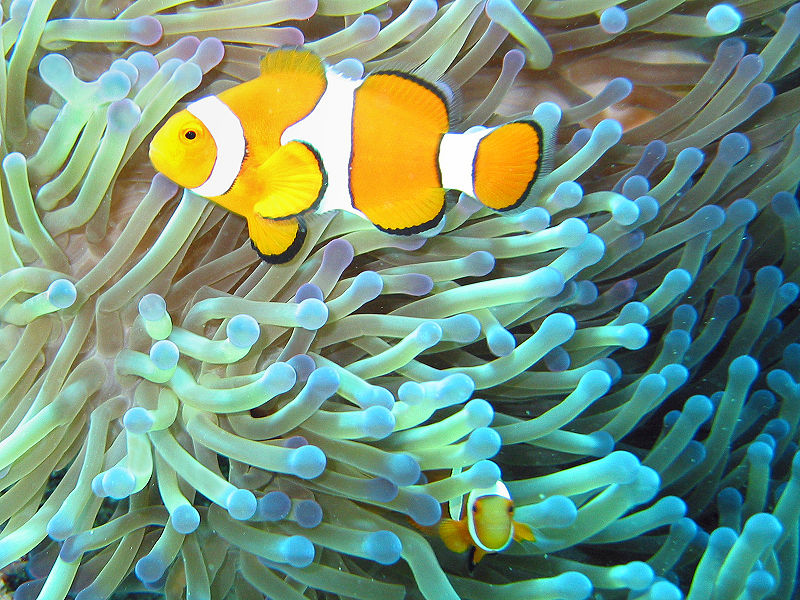
One textbook example of mutualism is the relationship between clownfish (a type of anemonefish) and sea anemones, made famous by the film Finding Nemo. Sea anemones are some of the most venomous organisms on earth, yet anemonefish can tolerate them. Living amongst them offers greater protection from predators, protection of fish eggs, removal of parasites and nourishment from anemone tentacles (da Silva & Nedosyko, 2016). In return, the anemone hosts have enhanced defences from predators such as the butterflyfish (who are fiercely chased away by the clownfish, (Litsios et al., 2012)), improved survivorship and improved asexual reproduction (da Silva & Nedosyko, 2016).

Clownfish are protected from the venom of anemones by a protective mucous coat which prevents contact (Litsios et al., 2012). The association that this protection allows has a huge role to play in the lifespan of the fish: though an average fish of that size might live to its fifth birthday, a clownfish may still be swimming at 30 (Litsios et al., 2012). However, this relationship is changing: long-term declines in habitable sea anemones have been observed across the world, negatively affecting the fish which depend on them (McVay, 2015). These declines are linked to widespread coral bleaching and ocean acidification, as climate change stresses the corals to the extent that they expel the organisms which support them and give them their colour (da Silva & Nedosyko, 2016).

As giant sea anemone populations continue to shrink in the Red Sea and around the world, the organisms that interact with them both directly and indirectly will likely also experience local to regional extinctions, as the available habitat that these reef hosts provide diminishes.” – McVay, 2015

Mycorrhizal fungi and Plants

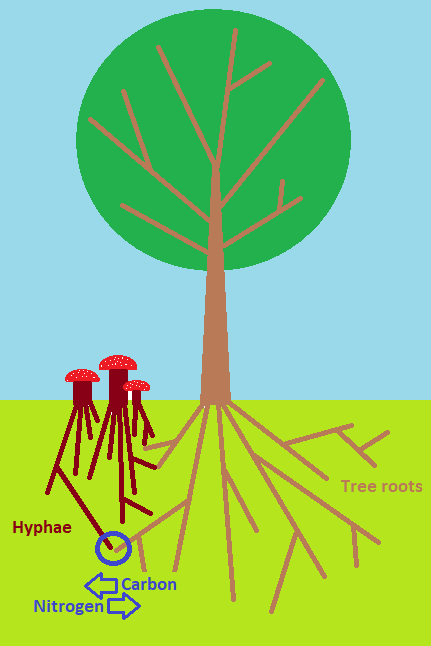
An example of mutualism from the non-animal realm is the relationship between mycorrhizal fungi and plants (Hoeksema et al., 2010). Connections are made between the roots of the plant and the hyphae, which are the similar root-like structures of the fungi. Most of the time, plants exchange carbon from photosynthesis for nitrogen from the roots of their fungal friends, however during early seed development, the fungi may also supply carbon (Cameron et al., 2008). Around 10% of plant species are dependent on this initial carbon supply from the fungi for their survival (Leake & Cameron, 2010). 


Both the plant and fungus have a fine level of control over their exchange of resources, and are able to reciprocally reward or punish cooperation – for example if a fungus tries to take too much from the plant, the plant can reduce its oxygen supply and suffocate it (Kiers et al., 2003). And, in times of lower or more variable water conditions, fungi can moderate and even increase the plant’s nutrient acquisition in response (Bowles et al., 2017). This moderation can help increase plants’ resilience to changes in rainfall and temperature, and in a world that is currently warming, this is vital to survival (Bowles et al., 2017).

Dwarf mongoose and hornbill

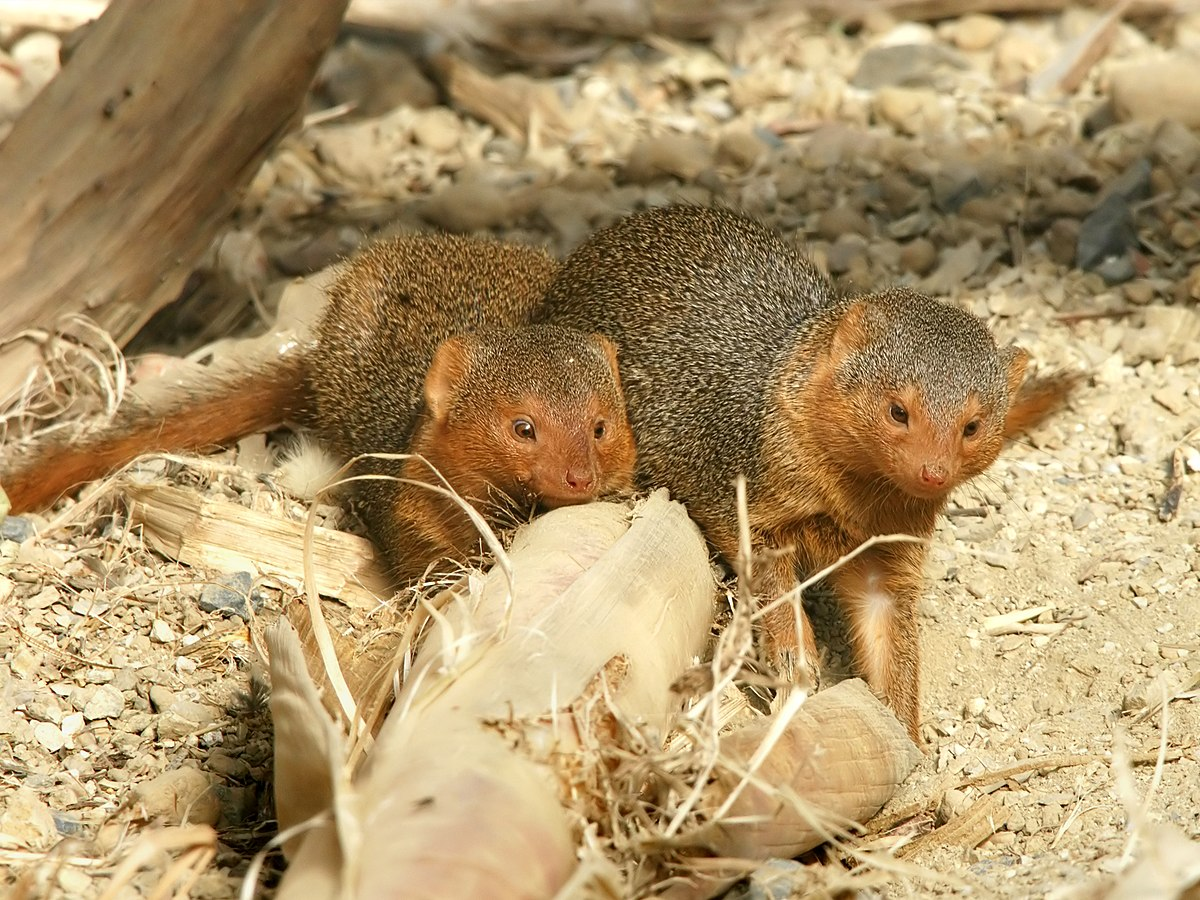
These two examples are pretty well known. But mutualistic relationships between social vertebrates are rare, which is why this next example is so interesting (Anne & Rasa, 1983). In Kenya, dwarf mongooses work with hornbill birds when searching for prey, and to alert each other to danger. For example, when a raptor is spotted, mongooses will guard hornbills to protect them from harm. In exchange, hornbills vocally warn their four-legged friends about predators, even when they themselves would not be hunted (Anne & Rasa, 1983). Such behaviours are altered depending on the number of birds and the numbers of mongooses, so that each group can provide the best protection to the other (Anne & Rasa, 1983).

Because vocal calls are vital to the connection between these two species, anthropogenic noise pollution is a critical threat to their defences (Morris-Drake et al., 2017). Mongooses also listen to the warnings of chacma baboons and tree squirrels for alarm signals, so when they are distracted by other noises, the warnings could be ignored. Anthropogenic noise can mask alarm signals, diverting attention from authentic calls and increasing perceived danger, causing stress to the mongoose and subsequent behavioural changes (Morris-Drake et al., 2017).

For this mutualistic relationship to survive, anthropogenic noise must be controlled or eliminated. One method of reducing the impacts of noise is by using noise barriers, which are vegetation or physical barriers which have been shown to significantly reduce noise levels (Slabbekoorn & Ripmeester, 2008). But where noise levels are associated with human activity, the economic value of the activity will almost always be prioritised over mitigation measures.

Conclusion

Mutualism is a vital aspect of many species survival and without this collaboration they would suffer. Humans are also reliant on some of these mutualisms and understanding these links can also bring benefits to us. For example, the mycorrhizal fungi aid carbon storage, as when their deep hyphal (root) networks decompose, the carbon remains in the soil for up to decades (Treseder & Holden, 2013). Fungal networks can also be crucial for food production – engineering crops to form mutualisms with mycorrhizal fungi may enable them to outcompete non-cooperative weed species, reducing need for herbicides and fertilisers (Cameron, 2010). It is of vital importance that we protect the interactions and species on which we rely, for our own sake as much as for theirs. 

This post was written with Green Ambition. Green Ambition is the fantastic environment-themed blog written by Beth, a biology student. She gives clear and concise overviews of a variety of topics from fairtrade and food security to solutions to our current climate crisis. Check out her work at https://greenambition.co.uk/.

References

Anne, O. & Rasa, E. (1983) Dwarf mongoose and hornbill mutualism in the Taru Desert, Kenya. Behavioral Ecology and Sociobiology, 12(3), pp.181-190

Bowles, T., Jackson, L. & Cavagnaro, T. (2017) Mycorrhizal fungi enhance plant nutrient acquisition and modulate nitrogen loss with variable water regimes. Global Change Biology, 24(1), pp.e171-e182

Cameron D.D., Johnson I., Read D.J., & Leake J.R. (2008) Giving and receiving: measuring the carbon cost of mycorrhizas in the green orchid, Goodyera repens. New Phytologist 180: 176-184.

Cameron D.D. (2010) Arbuscular mycorrhizal fungi as (agro)ecosystem engineers. Plant and Soil, 333: 1-5

da Silva, K.B. & Nedosyko, A. (2016) Sea anemones and anemonefish: a match made in heaven. In The Cnidaria, past, present and future, pp. 425-438

de Bary, A. (1879) Die Erscheinung Der Symbiose. Strassburg: Verlag von Karl J. Trübner.

Hoeksema, J., Chaudhary, V., Gehring, C., Johnson, N., Karst, J., Koide, R., Pringle, A., Zabinski, C., Bever, J., Moore, J., Wilson, G., Klironomos, J. & Umbanhowar, J. (2010) A meta-analysis of context-dependency in plant response to inoculation with mycorrhizal fungi. Ecology Letters, 13(3), pp. 394-40

Kiers E.T., Rousseau R.A., West S.A., & Denison R.F. (2003) Host sanctions and the legume–rhizobium mutualism. Nature 425, pp.80-8

Leake J.R. & Cameron DD. (2010) Physiological ecology of mycoheterotrophy. New Phytologist, 185 pp.601-605

Litsios, G., Sims, C.A., Wüest, R.O., Pearman, P.B., Zimmermann, N.E. & Salamin, N. (2012) Mutualism with sea anemones triggered the adaptive radiation of clownfishes. BMC Evolutionary Biology, 12(1), p.212

McVay, M.J. (2015) Population dynamics of clownfish sea anemones: patterns of decline, symbiosis with anemonefish, and management for sustainability. [pdf] Available at: http://etd.auburn.edu/handle/10415/4940 (Accessed: 04/08/2020)

Morris-Drake, A., Bracken, A.M., Kern, J.M. & Radford, A.N. (2017) Anthropogenic noise alters dwarf mongoose responses to heterospecific alarm calls. Environmental pollution, 223, pp.476-483

Slabbekoorn, H. & Ripmeester, E.A.P. (2008) Birdsong and anthropogenic noise: implications and applications for conservation. Molecular ecology, 17(1), pp.72-83Treseder, K. & Holden, S., (2013) Fungal Carbon Sequestration. Science, 339(6127), pp.1528-1529

Land sharing or land sparing? Conservation vs food production

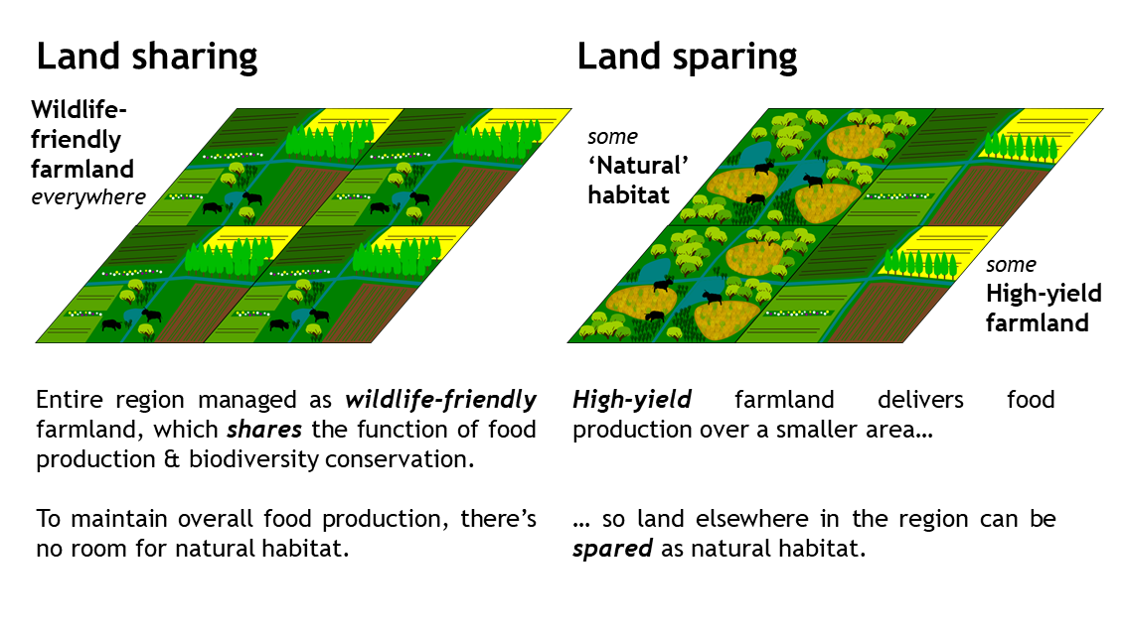
The land-sharing land-sparing framework (LSLS) addresses the issue of providing food for an ever-growing population, whilst maintaining or improving biodiversity (Kremen, 2015). The first of the two ideas is land-sharing, which combines conservation and wildlife-friendly farming practices within the same area of agricultural land (Phalan et al., 2001). England’s Environmental Stewardship policy promotes this strategy to protect species best adapted to semi-natural habitats (Royal Society, 2014). This approach has also been shown to be beneficial for native vegetation in land sharing systems with grazing sheep, where strategic grazing reduces the need for artificial phosphate fertilisers (Grau et al., 2013; Dorrough et al., 2007).

In contrast, land sparing separates land designated for either agricultural production or conservation (Fischer et al., 2014) – agricultural production is intensified across its current area, preventing its expansion. Land sparing would theoretically ensure land is still reserved for conservation (Fischer et al., 2014). This approach has been tested in India, Ghana and Uganda, where it is suggested to be beneficial to wild bird populations (with 167, 174 and 256 species studied respectively) (Phalan et al., 2001; Hulme et al., 2013).

Lucy Magoolagan (@lucymagoolagan) | Twitter
A brief description of the two approaches. Source: @Lucymagoolagan on twitter.

If mechanisms to achieve this could be found, most species would have higher populations under land sparing than under land sharing or intermediate-yield farming. This result is consistent across taxa and countries, is robust to varying assumptions” – Phalan et al. (2001)

The LSLS framework has been broadly applied to determine the best way (of the two techniques) in which we can reconcile growing food production needs, whilst also protecting biodiversity (Fischer et al., 2014). However, in reducing what is an incredibly complex issue (encompassing land use, ownership, conservation and other social factors) to the basics of food provision versus biodiversity conservation, many socioeconomic aspects are not fully considered (Wittman et al., 2017; Grau et al., 2013).

There are therefore a number of drawbacks to the LSLS debate. For example, the assumption that food production and the maintenance or enhancement of biodiversity are mutually exclusive, is over-simplified (Wittman et al., 2017). An example of a system which considers both food production and ecosystem integrity is food forestry (McLain et al., 2012). Exemplified by Seattle’s Beacon Food Forest, food forestry can provide a community with a reliable food source, whilst also enhancing valued ecosystem services, such as the generation of soils, carbon sequestration, and increased species richness, on the same plot of land (McLain et al., 2012). This shows the benefits in a holistic approach to managing land.

The LSLS* framework also only focuses on conventionally farmed land, but not all food is grown in arable fields. Increasing production of vegetables is being seen across university campuses, building facades and rooftops in cities around the world (Gritching & Awwaad, 2015), albeit on a smaller scale than conventional agriculture production. This emphasises the need for a new approach, not limited in its scope or its definitions of the usability of land.

On the basis of my review, I suggest that the dichotomy of the land-sparing/land-sharing framework limits the realm of future possibilities to two, largely undesirable, options for conservation” – Kremen (2015)

*Think of land sparing as a child who separates each component of their meal before eating it, and land sharing as another who mixes all their food together in a big pile (which is much more my style).

One such approach suggested by Kremen (2015) is the “both-and” approach. It focuses land management in terms of three goals: alleviating hunger, restoring natural habitats and enhancing the quality of the surrounding land matrix. This can be translated practically into sustainable land management, a system which “combines technologies, policies and activities to integrate socio-economic principles with environmental concerns” (Smyth & Dumanski, 1993). This has been applied in the Kagera Basin, Rwanda, where farmers trained in managing forests for biodiversity enhancement, as well as maintaining soil quality and water availability (FAO, 2017). The combined implementation of several sustainable management technologies increased food availability and food security, manure production for soil enrichment, and a reduction of 16-17tCO2e per hectare per year across the area (FAO, 2017).

The integration of economic, social and environmental aspects when making land-use decisions (Grau et al., 2013), shows us what can be achieved when we shift our thinking from the perceived trade-offs presented by the current over-simplified approach to land management, to a broader focus on promoting sustainability across all our land. With this approach, we could make real progress in providing food for a growing population without compromising the ecosystems we rely on.

Let me know in the comments what you think – land sparing or land sharing? Something different completely? I’d love to read your opinions.

References

Dorrough, J., Moll, J. & Crosthwaite, J. (2007) Can intensification of temperate Australian livestock production systems save land for native biodiversity? Agriculture, ecosystems & environment, 121(3), pp.222-232

FAO (2017) Sustainable Land Management (SLM) in practice in the Kagera Basin. Lessons learned for scaling up at landscape level – Results of the Kagera Transboundary Agro-ecosystem Management Project (Kagera TAMP). [online] Available at: http://www.fao.org/3/a-i6085e.pdf (Accessed: 28/07/2020)

FAO (n.d.) Sustainable Land Management. [online] Available at: http://www.fao.org/land-water/land/sustainable-land-management/en/ (Accessed 07/11/2018)

Fischer, J., Abson, D.J., Butsic, V., Chappell, M.J., Ekroos, J., Hanspach, J., Kuemmerle, T., Smith, H.G. & von Wehrden, H. (2014) Land sparing versus land sharing: moving forward. Conservation Letters, 7(3), pp.149-157

Grau, R., Kuemmerle, T. & Macchi, L. (2013) Beyond ‘land sparing versus land sharing’: environmental heterogeneity, globalization and the balance between agricultural production and nature conservation. Current Opinion in Environmental Sustainability, 5(5), pp.477-483  

Kremen, C. (2015) Reframing the land‐sparing/land‐sharing debate for biodiversity conservation. Annals of the New York Academy of Sciences, 1355(1), pp.52-76

McLain, R., Poe, M., Hurley, P.T., Lecompte-Mastenbrook, J. & Emery, M.R. (2012) Producing edible landscapes in Seattle’s urban forest. Urban Forestry & Urban Greening, 11(2), pp.187-194

Phalan, B., Onial, M., Balmford, A. & Green, R.E. (2011) Reconciling food production and biodiversity conservation: land sharing and land sparing compared. Science, 333(6047), pp.1289-1291

Royal Society (2014) Land sharing vs. land sparing: can we feed the world without destroying it? [online] Available at: http://blogs.royalsociety.org/in-verba/2014/12/03/land-sharing-vs-land-sparing-can-we-feed-the-world-without-destroying-it/ (Accessed: 28/07/2020)

Smyth, A.J. & Dumanski, J. (1993) FESLM: An international framework for evaluating sustainable land management. [online] Available at: https://www.mpl.ird.fr/crea/taller-colombia/FAO/AGLL/pdfdocs/feslm.pdf

Wittman, H., Chappell, M.J., Abson, D.J., Kerr, R.B., Blesh, J., Hanspach, J., Perfecto, I., & Fischer, J. (2017) A social–ecological perspective on harmonizing food security and biodiversity conservation. Regional Environmental Change, 17(5), pp.1291-1301.

Knocking out Knotweed: Nature’s weapons

I am sure that a lot of you already know of knotweed – it is the big baddie of the invasive species, as its ability to dominate environments, by killing off and inhibiting the growth and reproduction of other plants (Clements et al., 2016), and by changing the soil chemistry to the benefit of invaders (Lavoie, 2017), make it a huge problem for native species communities. The IUCN picked Japanese knotweed as one of its top 100 worst plant and animal invaders (IUCN, 2000) – and like many other more familiar villains (take your pick: Voldermort, the Joker or Pokémon’s Team Rocket??), knotweed wreaks havoc wherever it appears.

Japanese knotweed. Source: Wikipedia

The knotweed group which I am referring to includes Japanese knotweed (Fallopia japonica), Giant knotweed (Fallopia sachalinensis) and their ugly lovechild Bohemian knotweed (Fallopia bohemica). Though giant knotweed is less widespread, the other two species can be found all around the US and UK (Lavoie, 2017). Knotweeds reduce native plant biomass and species richness (Lavoie, 2017), colonise disturbed habitats and spread rapidly through floods, human activity and dumping of topsoil contaminated with fragments of its rhizome (a type of plant stem) (Shaw et al., 2009). It can also grow more in height by 1 metre every month (CABI, 2020), and has been shown to negatively affect mites, beetles, snails and springtails (Lavoie, 2017).

But some insects are not badly affected by knotweeds. In fact, one, Aphalara itadori, is suggested to be highly effective at controlling the spread of the invasive group of plants. At present, herbicides are the main way by which knotweeds are controlled (Clements et al., 2016), with mechanical control used on small-scale invasions. But chemical control is very expensive: a UK-wide control program has been estimated to cost up to £1.5 billion (Shaw et al., 2009). So research has instead been looking towards biological control.

Biological control is the use of an organism to control a target organism, in this case the knotweeds –  this is where A. itadori comes back in. Through their 2003 trial biocontrol program, Shaw et al. (2009) found that when the insect was exposed to Japanese knotweed it inflicted significant damage to it, even in low numbers. A. itadori also targeted the knotweed almost exclusively, with only 1.52% of insect eggs laid outside of the knotweed species. This is really encouraging as it shows how biological control could be a new weapon against knotweeds. The UK must introduce a new biocontrol organism in this way as when Japanese knotweed first came to the UK from Japan, it escaped the natural enemies which prevented it from being such an issue in Japan. At the moment, neither A. itadori nor the fungus Mycosphaerella polygoni-cuspidati, which was also recommended as a potential biocontrol agent, are used in the UK, however research on their effectiveness continues (Environment Agency, 2009).

PS. Did you know you can eat knotweed? It’s actually pretty good! Here’s some sweet recipes if you ever get the chance to grab some.

References

CABI (n.d.) What is Japanese Knotweed? [online] Available at: https://www.cabi.org/japaneseknotweedalliance/what-is-japanese-knotweed/ (Accessed: 24/07/2020)

Clements, D.R., Larsen, T. & Grenz, J. (2016) Knotweed management strategies in North America with the advent of widespread hybrid Bohemian knotweed, regional differences, and the potential for biocontrol via the psyllid Aphalara itadori Shinji. Invasive Plant Science and Management9(1), pp.60-70.

Environment Agency (2009) The Biological Control of Japanese Knotweed. [online] Available at: https://assets.publishing.service.gov.uk/government/uploads/system/uploads/attachment_data/file/290480/scho0209bphy-e-e.pdf (Accessed: 24/07/2020)

Lavoie, C. (2017) The impact of invasive knotweed species (Reynoutria spp.) on the environment: review and research perspectives. Biological Invasions19(8), pp.2319-2337

Shaw, R.H., Bryner, S. & Tanner, R. (2009) The life history and host range of the Japanese knotweed psyllid, Aphalara itadori Shinji: potentially the first classical biological weed control agent for the European Union. Biological control49(2), pp.105-113

Design a site like this with WordPress.com
Get started