Environmental Justice: Why are Indigenous communities worst affected by climate change?

Indigenous communities tend to be best connected to the natural world. They have played a relatively tiny part in emitting anthropogenic greenhouse gases in comparison with Western societies like US and Europe (Green & Raygorodetsky, 2010). Yet the impacts of climate change fall disproportionately on Native people, like those living in the Arctic, in areas prone to extreme wildfires, and those living on Pacific Islands (Tsosie, 2007).

Anthropogenic climate change is perhaps the ultimate manifestation of humans’ growing disconnect with the natural world, although not all societies share the same burden of responsibility for its creation” – Green & Raygorodetsky (2010)

There are several socio-political and environmental reasons why indigenous people are more vulnerable to climate change than someone perhaps born in the UK. One of the most obvious of these is the connection between native communities and their land and resources, as sources of employment, culture and heritage (Mihlar, 2008; Green & Raygorodetsky, 2010). Indigenous peoples often live in vulnerable environments: small islands in the Pacific which are already experiencing rising sea levels, and an Arctic environment which is rapidly melting, being just two examples (Mihlar, 2008). Because of this closeness to nature, these communities are often heavily reliant on their surroundings, and are the first to see environmental changes as a result of climate change. And these changes are already a life-threatening reality for many, with reports of people falling through thinning ice or going hungry where livestock and crops are failing (Mihlar, 2008). With the limited social and financial support that they have at their disposal, indigenous communities have a far greater vulnerability to environmental damage.

Tokelau Warriors: We are not drowning. We are fighting ...
People of Tokelau, which comprises three coral reef ecosystems in the South Pacific. Around 1500 people live on the islands which reach only 5m above sea level at their highest points, making it vulnerable to sea level rise. Source: 350.org.

More column inches have been devoted to the plight of the polar bear, than to the Inuit, the Arctic people who live in harmony with the wilderness.” – Mihlar (2008)

This second reason for increased environmental vulnerability stems from a legacy of discrimination and stereotyping of minority ethnic groups, and their exclusion from policymaking and the rights to their own land (Mihlar, 2008; Green & Raygorodetsky, 2010). In their review of environmental justice for indigenous people, Tsosie (2007) found that claims for justice centred on the need for regulatory control of their own land, and the right to be represented in decision-making processes which will affect their livelihoods. Native people know their land, how it is changing and what to do about it: their exclusion from policy-making and particularly from the right of self-determination*, is a serious problem. As well as this, their land is often earmarked for unfavourable projects, such as the uranium mines on Indian reserves in the US, which led to radioactive contamination of the land and water (Tsosie, 2007). The combination of such refusal of rights and disregard for the health and safety of native communities has combined to further their vulnerability to climate change – they are not considered in decision-making, nor are they financially supported or prioritised in policy by the wider government.  

*self – determination: The right for a group of people to manage their own affairs and land without external interruption. The right to sovereign power over the land of your ancestors and family.

When indigenous people are granted the rights to manage their own land and included in policy, projects are guided by indigenous knowledge and are often made safer, both for humans and for the wider environment. Inclusion would encourage the sharing of unique indigenous knowledge, which would dramatically increase both Western understanding of environmental change, but also promote the rights of native people and raise awareness of the challenges they face. For example, when Aboriginal communities in Australia (rather than external business) managed local ecotourism projects themselves, they promoted conservation and shared their cultural understanding of the region with others, whilst also boosting employment and the local economy (Zeppel, 2003). As well as this, the different ways of thinking and generations of traditional understanding presented by the Miriwoong people of Australia bolstered scientific recordings of weather events, seasonality and fire regime in their area (Leonard et al., 2013). And a lot can be learned from sub-Saharan indigenous communities, whose practices of fallow cultivation to encourage forest growth, carbon conservation within soils through zero-tillage, and pest control with the use of intercropping and pest-resistant seed varieties, could provide alternative and useful knowledge with regards the sustainability of agriculture (Ajani et al., 2013). Indigenous people have the right to be heard and protected by wider society. And as a society, we must look to protect our most vulnerable members, and cherish their unique understanding of the ways in which the environment responds to change.

The freedom to govern ourselves, leverage our traditional knowledge, and adapt to our changing circumstances is essential to realizing a more sustainable and climate-resilient future —particularly through the leadership of indigenous and community women.” – The Indigenous and Community response to the IPCC report “Special Report on Climate Change and Land from Indigenous Peoples and local communities”.

References

Ajani, E.N., Mgbenka, R.N. & Okeke, M.N. (2013) Use of indigenous knowledge as a strategy for climate change adaptation among farmers in sub-Saharan Africa: Implications for policy. Asian Journal of Agricultural Extension, Economics & Sociology, pp.23-40

Green, D. & Raygorodetsky, G. (2010) Indigenous knowledge of a changing climate. Climatic Change100(2), pp.239-242

Leonard, S., Parsons, M., Olawsky, K. & Kofod, F. (2013) The role of culture and traditional knowledge in climate change adaptation: Insights from East Kimberley, Australia. Global Environmental Change23(3), pp.623-632

Mihlar, F. (2008) Voices that must be heard: minorities and indigenous people combating climate change. Minority Rights Group International: London.

Rights and Resources Initiative (2019) IPCC agrees with indigenous peoples and local communities on climate change. [online] Available at: https://ipccresponse.org/our-response (Accessed: 22/07/2020)

Tsosie, R. (2007) Indigenous people and environmental justice: the impact of climate change. U. Colo. L. Rev.78, p.1625

Zeppel, H. (2003) Sharing the country: Ecotourism policy and indigenous peoples in Australia. Ecotourism policy and planning, pp.55-76
Indigenous knowledge: the quest for solutions to environmental problems

Indigenous people, also known as First Nations, Aboriginal or Native peoples are ethnic groups who lived in an area before it was included in a nation state – examples include the Inuit peoples of Greenland, the Samoans, the Maori of New Zealand and the Chukchi peoples of Russia. This post will discuss the controversial topic of indigenous knowledge (IK), why it is sought after and some of the issues surrounding interactions with native peoples in this way.

Indigenous knowledge is not just knowledge, but an understanding of the links between humans and the wider environment, and a respect for all life:

Indigenous Knowledge cannot be separated from the people who hold and practice it, nor can it be separated from the land/environment/Creation.” – McGregor (2004)

It has many applications, from the fields of law and governance to environmental management and medicine (McGregor, 2004). Unlike with scientific knowledge, which has a global reach and is presented in the form of highly controlled studies and short-term research, indigenous knowledge is passed down through the generations – indigenous peoples provide these alternative findings based on their own traditional livelihoods, interactions with nature and resource use practices (Leonard et al., 2013). And because these communities are often isolated from the wider population by culture and language, many social scientists see their traditional ecological knowledge (TEK) as an untapped resource which could present a range of benefits to wider society (McGregor, 2004; Cruikshank, 2012).

A lot of current research focuses on how traditional ecological knowledge could be used to look at the impacts and mitigation of climate change (Leonard et al., 2013), by understanding how previous generations have adapted to changing conditions. Oral stories are the primary way through which researchers have analysed their understanding. They are important not because they are completely scientifically accurate (though they can be), but because they cast light on the changes which native people for generations have made to adapt to their climate (McGregor, 2004). They can also provide evidence for environmental events, and record changes in local landscapes. For example, in their discussions with indigenous women in North America, Cruikshank (2012) heard the tale of the Lowell Glacier. This glacier punished the actions of a young boy who compared its appearance to that of a bald shaman’s head, by blocking the dam and subsequently interrupting the salmon migrations up the river (Cruikshank, 2012). Glaciers are described as being temperamental, with feelings and senses like those of people – stories such as these highlight the focus on relationships between people and nature, and also provide evidence: for example, this story helped date when the Lowell Glacier ice dam formed, and then when it broke again, flooding the town below.

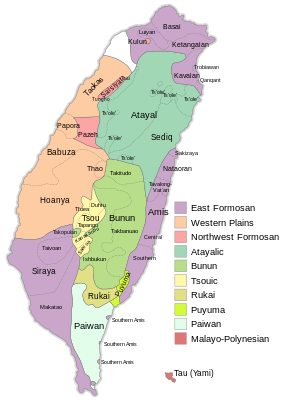
List of indigenous peoples of Taiwan - Wikipedia
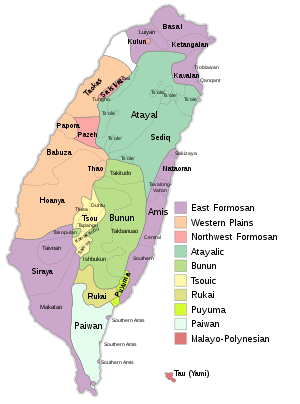
There are thousands of diverse groups of indigenous people. This map of Taiwan shows how many different ethnic groups are present in a relatively small country – Taiwan is 273 times smaller than the US. There are approximately 476 million indigenous people worldwide, who safeguard 80% of the world’s remaining biodiversity (World Bank).

“Just as climate science presents a more comprehensive picture than weather, so oral traditions convey understandings that are much broader than data.” – Cruikshank (2012)

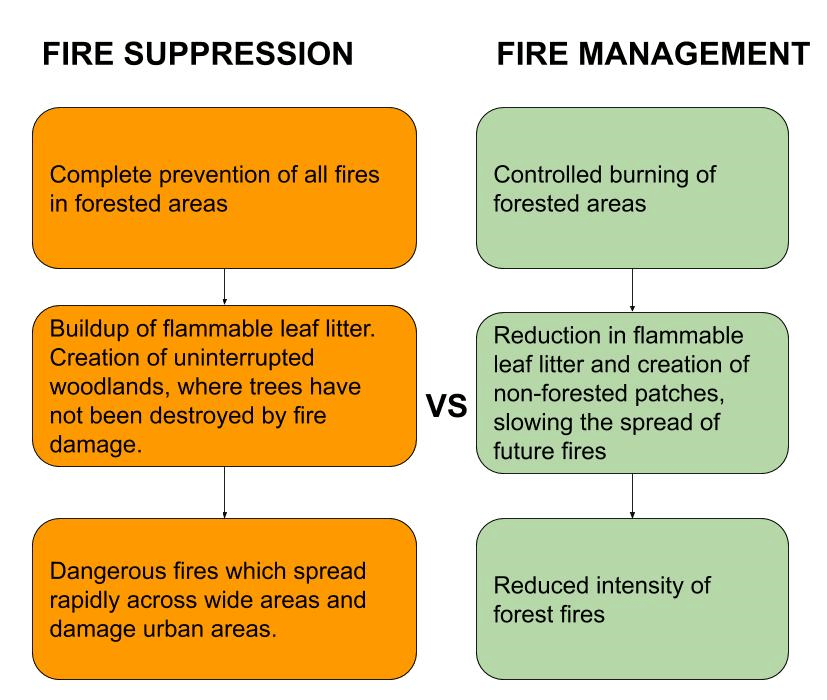
This connection with nature is reinforced throughout studies of native peoples. For example,  interviews conducted with the Miriwoong people, an Aboriginal community in Australia, revealed an deep understanding of the seasons, based on phenological events such as the growth of particular plants, emergence of species and observations of the behaviour of animals. For example, the Miriwoong people see the emergence of the Fern-leaf grevillea (Grevillea pteridofolia) as the beginning of the cold season, and a sign to begin traditional burning practices to prevent hot season forest fires (Leonard et al., 2013). Such practices have since been taken up in wider policy and are replicated in other communities, particularly in the US which now practices managed burns to prevent the buildup of flammable leaf litter prior to the hot season (read more about fire management here) (Leonard et al., 2013).The Miriwoong people also exemplify adaptation to changing climate conditions, through their fire management, harvesting and resource sharing practices, which could provide useful examples of what wider society could implement to improve climate mitigation (Leonard et al., 2013).

Traditional fire suppression strategy compared with fire management strategy, which has been practised by native peoples around the world for centuries. I wrote a separate post about fire management, which you can access here.

Indigenous knowledge has value not only for the culture in which it evolves, but also for scientists and planners striving to improve conditions in rural localities.” – Ajani, Mgbenka & Okeke (2013)

But the acquisition of traditional knowledge remains a highly-charged topic, with many communities sceptical of Westerners who may not have their best interest at heart. For some native people, documenting traditional knowledge is seen as a way in which the West are exploiting their culture, language and history – plundering the heritage of the people without protecting and prioritising the wellbeing of the people themselves (McGregor, 2004). This lack of support has materialised in the past as “environmental racism”, based on exclusion from policymaking and land rights, stereotyping and victimisation of indigenous peoples (Tsosie, 2007). As well as this, the US has developed a history of placing unfavourable developments, such as coal-fired power plants and hydroelectric dam projects on Native American land, resulting in the loss of tribal land and damage to water and fishing resources (Tsosie, 2007). This legacy of exploitation dates back to the times of European imperialism, where native lands were forced from indigenous communities and genocides were justified as part of the “manifest destiny” of the US – settlers were destined to colonise North America and create a particular image for the country, which did not involve the people who were already living there (Tsosie, 2007).

This history has justifiably made people hesitant to get behind the idea of obtaining indigenous knowledge: people are not resources to be extracted and obtained. If knowledge is to be shared between communities, it must be done respectfully and completely controlled by the indigenous people. Ajani et al. (2013) found in their study of indigenous people in sub-Saharan Africa that a bottom-up participatory approach (centred on the people themselves, rather than organisations or governments looking to obtain knowledge) is the optimal way to encourage local participation of climate change projects and the sharing of ideas. They also highlight that traditional practices may not be applicable in certain situations, or the best solution to a problem, and like any technology, traditional ecological knowledge should be scrutinised thoroughly to determine its effectiveness.

When open communication is supported by ensuring land rights for native peoples, as well as the right of self-determination (giving indigenous peoples the right to their land, its management and without unwanted external influences and policies), vital lessons can be learnt from the people who know their land best.

This post will be followed next week by a corresponding post focused on how climate change is disproportionately affecting indigenous peoples, and the wider topic of climate justice.

References

McGregor, D. (2004) Coming full circle: Indigenous knowledge, environment, and our future. American Indian Quarterly28(3/4), pp.385-410

Tsosie, R. (2007) Indigenous people and environmental justice: the impact of climate change. U. Colo. L. Rev.78, p.1625

Cruikshank, J. (2012) Are glaciers ‘good to think with’? Recognising indigenous environmental knowledge. Anthropological Forum, 22(3), pp. 239-250

Leonard, S., Parsons, M., Olawsky, K. & Kofod, F. (2013) The role of culture and traditional knowledge in climate change adaptation: Insights from East Kimberley, Australia. Global Environmental Change23(3), pp.623-632

Ajani, E.N., Mgbenka, R.N. & Okeke, M.N. (2013) Use of indigenous knowledge as a strategy for climate change adaptation among farmers in sub-Saharan Africa: Implications for policy. Asian Journal of Agricultural Extension, Economics & Sociology, pp.23-40

Homo sapiens: How did we get here?


Modern humans, or Homo sapiens, are the only species of human living on the planet. But this wasn’t always the case – it’s been a long evolutionary journey to get to where we are now, from our early hominid ancestors the Australopithecines to the big-brained, flat-faced people we are now. This post will look at the different hypotheses to explain how we got here, as well as the evidence used to examine our species.

The earliest ancestors of humans are believed to be from the Austrilopithecus genus, which first appeared during the Pliocene, as early as 4 million years ago (Pickrell, 2006). These guys were very ape-like, with long strong arms and a small brain, who could also move bipedally (on two legs). From them, Homo habilis developed with a larger brain size and the capability to manufacture tools, followed by Homo erectus, which was around until 250,000 years ago, and whose long legs and shorter arms made them better adapted to walking longer distances than climbing trees (Natural History Museum). The evolutionary tree is not a straight line from one species to the next, as there are several branches of species which evolved in different places (see figure below) – for example, European Neanderthals or Homo neanderthalensis are believed to have evolved from the early hominids who left Africa over 1.75 million years ago, when in Asia instead Homo erectus was the dominant species before us (Johanson, 2001).

A timeline for human evolution, from 4 million years ago (bottom of the figure) to present. The figure shows that different species evolved in different areas, and that our evolutionary history is complex and still debated today.  Unlike Pokémon, we are not simply the linear evolutionary upgrades of each other, though that would be easier to understand. Source: https://earthhow.com/human-evolution-timeline/

A migration from Africa around 1.75 – 2 million years ago saw the spread of early homonids around the world (“homonid” being the term used to group all the modern and extinct great apes and human ancestors), which eventually resulted in the development of genetically distinct species such as the Neanderthals across Asia and Europe (Johanson, 2001; Blaxland & Dorey, 2020). But the much later migration is the topic of this post because it saw the first migration of our own species, Homo sapiens.

The evolution of Homo sapiens is believed to have occurred in Africa and the Middle East (Johanson, 2001), with the first anatomically and genetically modern individuals emerging around 200,000 years ago and migrating across Asia and Europe 65,000 years ago (Mellars, 2006). This raises two questions: how did early humans get out of Africa and around the rest the world? And why did it take them so long?

In their research on the subject, Mellars (2006) looked at a combination of DNA and archaeological findings to suggest that technological and behavioural changes could be the reason behind the expansion of the first Homo sapiens out of Africa. Such changes arose from the need to adapt to changing environmental conditions, like the rapid shifts between wet and dry periods across the continent between 80-70,000 years ago (Mellars, 2006). Findings of more advanced hunting and carving tools and dense accumulations of plant remains suggests an expansion in the complexity of human behaviour (Mellars, 2006), and indicates a population which was managing their crops and exploiting their food to a much greater efficiency (Mellars, 2006). The movement of stone and shells may also indicate an increased level of cooperation between human groups (Mellars, 2006). This is important as it suggests widescale changes in the way that these early people lived, which could have given rise to a population expansion and subsequent movement out of Africa.

increased levels of technological efficiency and economic productivity in one small region of Africa could have allowed a rapid expansion of these populations to other regions and an associated competitive replacement.” – Mellars, 2006

Evidence suggests that the expansion of anatomically modern humans came from one small area to the East or South of Africa, before migration to southern Asia 60,000 years ago occurred (Mellars, 2006; Wood, 2017). This outlines the “Out of Africa” theory – Homo sapiens (modern humans) migrated from Africa and colonised the world from there, replacing the other species already there since the first migration (such as the Neanderthals, who had become genetically distinct from other populations by 130,000 years ago) (Johanson, 2001). In contrast, the “Multiregional” model suggests that all living humans derive from Homo erectus, a more primitive human species, which left Africa almost 2 million years ago. When populations became isolated across different parts of the world, they slowly evolved into different species through natural selection in regional populations (Johanson, 2001).

A summary of the differences between the two hypotheses. The out of Africa model suggests that our species evolved in Africa and then spread, when the multiregional hypothesis suggests that Homo sapiens evolved separately in different places.

Most current research supports the Out of Africa hypothesis. This is because DNA analysis points to a recent African ancestor of modern-day humans who was still in Africa 60,000 years ago (thus suggesting that Homo sapiens evolved there, and not in another regional location), and one who used more advanced tools and technology than earlier species of homonids (Galway-Witham & Stringer, 2018; Mellars, 2006). So even though other species were around and living alongside Homo sapiens, for example alongside the Neanderthals for around 10,000 years, modern humans dominated – they competed with them, interbred with them (rarely), and then finally, killed them all off.

 “By 100,000 years ago, humans had dispersed and diversified into at least four species. Our own species, Homo sapiens, lived in Africa and the Middle East, Homo neanderthalensis lived in Europe, and Homo floresiensis in southern Asia.” – Blaxland & Dorey (2020)

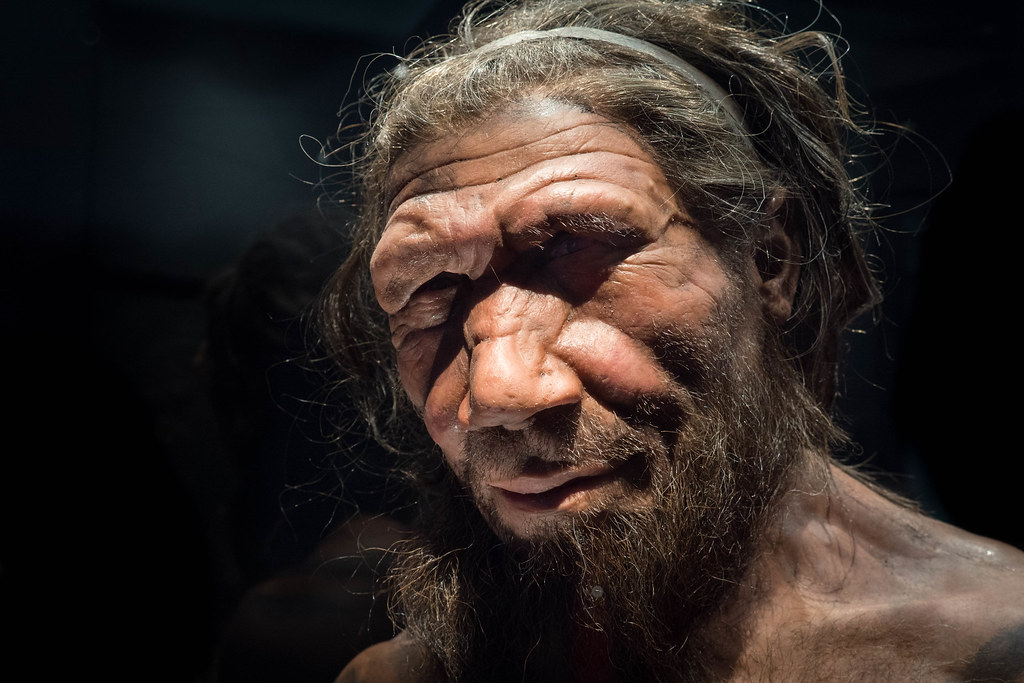
Neanderthal Man | A MKU3A visit to Kensington and the ...
A reconstruction of a Neanderthal male.

Modern day humans are characterised by their vertical foreheads, reduced brow bones (compared to the frowny fellas, the Neanderthals) and a less robustly built skeleton (Johanson, 2001). With the evolution of anatomy came the evolution of mind and behaviour (Kisse & Fuentes, 2016), which led to the earliest members of our species competing with and killing all the other hominid species. What a positive way to start a global society! This post is difficult to summarise, given that we are still going and have yet to be replaced by anything else, so let me know your thoughts in the comments – what’s next for the human race?

“What makes us human, more than the fact that we are bipedal, eat cooked foods, or can think symbolically, is our shared evolutionary history, during which time our ancestors expanded the human niche in remarkable ways.” – Kissel & Fuentes (2016)

References

Blaxland, B. & Dorey, F. (2020) The first migrations out of Africa. [online] Available at: https://australian.museum/learn/science/human-evolution/the-first-migrations-out-of-africa/ (Accessed: 08/07/2020)

Galway-Witham, J. & Stringer, C. (2018) How did Homo sapiens evolve?. Science360(6395), pp.1296-1298

Johanson, D. (2001) Origins of Modern Humans: Multiregional or Out of Africa?. Action Bioscience.

Kissel, M. & Fuentes, A. (2016) From hominid to human the role of human wisdom and distinctiveness in the evolution of modern humans. Philosophy, Theology and the Sciences3(2), pp.217-244

Mellars, P. (2006) Why did modern human populations disperse from Africa ca. 60,000 years ago? A new model. Proceedings of the National Academy of Sciences103(25), pp.9381-9386

Natural History Museum (n.d.) Homo erectus, our ancient ancestor. [online] Available at: https://www.nhm.ac.uk/discover/homo-erectus-our-ancient-ancestor.html (Accessed: 08/07/2020)

Pickrell (2006) Timeline: Human Evolution. [online] Available at: https://www.newscientist.com/article/dn9989-timeline-human-evolution/ (Accessed: 08/07/2020)

Gender biases: Mother nature and the macho man

This post was going to be G for Greta Thunberg. But as usual, I fell down multiple rabbit holes until deciding to instead focus on G for gender, and how it can be a bias in environmental issues. Hope you enjoy!

Most research literature on the topic of gender and environmental issues focuses on women. Women seem to be categorised as the poorest in society, the most vulnerable to climate change but also the most environmentally conscientious (Arora-Jonsson, 2011). They are believed to need “special attention” in policy, because they are seen to be more sensitive to risk. This is not entirely false: for example, cultural constraints on women leaving the home in Bangladesh have been linked to the fact that during the Asian Tsunami of 2004, the largest number of fatalities were women and children (Arora-Jonsson, 2011). As well as this, female farmers in Indonesia are especially vulnerable to extreme climate events due to their lack of land rights and financial capital – such socio-political factors impact female farmers more than male farmers after an environmental disaster (Chandra et al., 2017). In their report on the issue, Arora-Jonsson (2011) went as far to say that the social conditioning of women in general has made them risk-averse, which can be a threat in itself when it hampers decision making during a crisis.

Women are also perceived to be more environmentally conscientious – this might link to the industrial advertising to link meat consumption with masculinity, or the perception of the “American Dream” being one of high consumption for men, whilst the women look after the children and the home (Arora-Jonsson, 2011). And from the 17th Century, men have been associated with technology, economic growth and culture, whilst women were linked to the environment (Hultman, 2013). And nature itself has been highly feminised: terms such as “Mother Nature” embed this, portraying it as something which provides but over which men can easily dominate (Pinheiro, 2020). The trend of giving natural disasters female names (which happened in the US between 1953-1979) further embeds the link between women and nature. This in itself might seem harmless, but Pinheiro (2020) points out that the response of weathermen, in referring to these storms as “temperamental” and “flirting with the coastline”, instead solidifies the idea that women are not calm or level-headed, but instead chaotic and untameable.

Roxcy Bolton - Wikipedia
Roxcy Bolton was a passionate gender equality activist in America, who alongside founding the country’s first rape rehabilitation centre and persuading airlines to grant maternity leave to pregnant women rather than fire them, played a key role in pushing meteorologists to name storms after men too. According to her, “Women deeply resent being arbitrarily associated with disaster”.

Unequal gender relations do not cause or aggravate climate change. But gender relations do determine how the environment is managed.” – Arora-Jonsson (2011), Professor of Rural Development at the Swedish University of Agricultural Sciences

An analysis of the response to Greta Thunberg, the young female Nobel Peace Prize winner who conducted the first School Strike for Climate in 2018 (Kühne, 2019), further exemplifies discrimination against women. In a literature review and analysis of social messaging applications, high profile critics including Jeremy Clarkson, Donald Trump and Vladimir Putin criticised her for her age, appearance, ethnicity, autism and for being female (Jung et al., 2020). Examples of vocabulary used to describe her include “chronically anxious and disturbed” and “you cannot go out in a skirt that short” (Pinheiro, 2020). These phrases continue to place judgements on a female activist which a male counterpart would simply not be subject to.

Thunberg is perceived by capitalist patriarchs as a threat to the stability of a world order that continues to privilege power, status and money over people and nature” – Pinheiro (2020), writer at Gender Justice

But women aren’t necessarily the only victim to stereotypes which can be damaging in relation to environmental issues. For example, though more women died during the Asian Monsoon of 2004, more men died than women during Hurricane Mitch in 1998 (Arora-Jonsson, 2011). This has been linked to existing gender norms and “toxic masculinity”, which encourage traditional masculine ideals such as physical strength and emotional stoicism over sensitivity and care. Masculine gender ideals such as the “machismo” persona often favour heroics and reckless behaviour, and have been suggested to have influenced the death toll from Hurricane Mitch by encouraging risk-taking (Arora-Jonsson, 2011). These stereotypes are further amplified through the media, particularly through action films where the lead male is often violent, carefree and aggressive.

This is where Arnold Schwarzenegger comes in (bear with me, it will make sense). Schwarzenegger started off as a bodybuilder, then an actor, playing violent (and often near-silent) roles in action films like Terminator and The Expendables. In their research, Hultman (2013) found that Schwarzenegger’s ability to adapt his persona, from a base of “cowboy-masculinity” (characterised by violence and physical strength) to more compassionate and caring, helped him become the environmental hero awarded the European Campaigner of the Year in 2007 and lead shifts in environmental thinking (Hultman, 2013). This happened primarily as a result of his enthusiasm to develop hydrogen energy for vehicles to control emissions, instead of encouraging use of public transport (Hultman, 2013). Perhaps this demonstrates a way in which a hypermasculine individual can lead others through the force of his words rather than the logic of the ideas themselves.

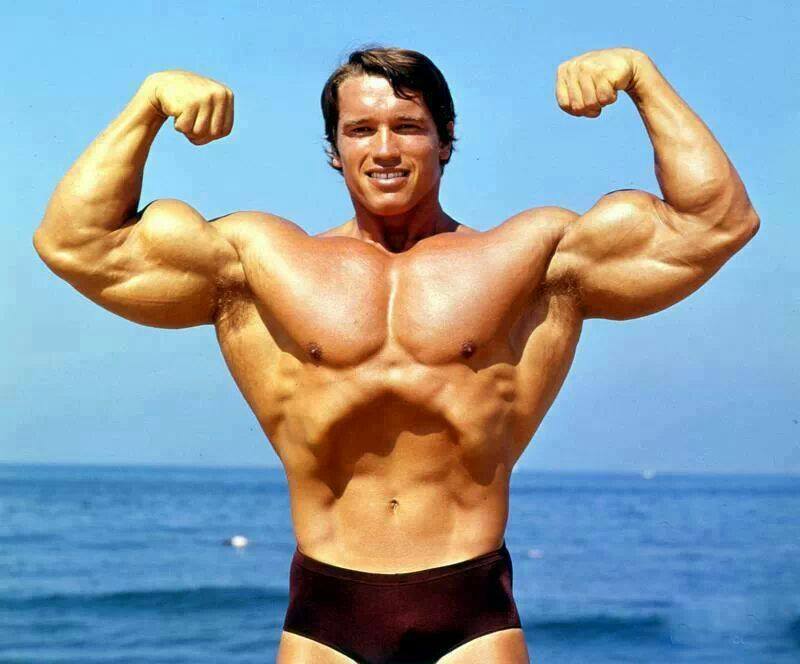
Secretul brațelor lui Arnold Schwarzenegger
Arnold Schwarzenegger in his prime. A google image result from “manly man” brought up pictures of muscular men flexing their biceps and wielding axes.

The purpose of this article is not to rant about how people are treated because of their gender, but instead highlight the issues which face both men and women with regards to environmental issues, particularly natural disasters and climate change. Nature has been feminised to the point where caring about our environment is seen as “feminine” or as a sign of weakness. And because of the availability and global reach of social media, machismo men like Jeremy Clarkson and Donald Trump perpetuate these ideas in their criticisms of people whose beliefs don’t match theirs, such as Greta Thunberg. The idea of gender being such a bias seems like something that previous generations dealt with more than us, but that doesn’t mean it doesn’t still exist. To conclude this post, here’s a little quote which summarises what we as a global society should do about it:

A feminist response to global climate change must not only challenge masculine technical and expert knowledge about climate change but also the tendency to reinforce gendered polarities as well as North–South divides that tend to slot women, as vulnerable or virtuous.” – Arora-Jonsson (2011), Professor of Rural Development at the Swedish University of Agricultural Sciences

Thanks for reading!

References

Arora-Jonsson, S. (2011) Virtue and vulnerability: Discourses on women, gender and climate change. Global environmental change21(2), pp.744-751

Chandra, A., McNamara, K.E., Dargusch, P., Caspe, A.M. & Dalabajan, D. (2017) Gendered vulnerabilities of smallholder farmers to climate change in conflict-prone areas: A case study from Mindanao, Philippines. Journal of Rural Studies50, pp.45-59

Hultman, M. (2013) The making of an environmental hero: A history of ecomodern masculinity, fuel cells and Arnold SchwarzeneggerEnvironmental Humanities2(1), pp.79-99

Jung, J., Petkanic, P., Nan, D. & Kim, J.H. (2020) When a girl awakened the world: A user and social message analysis of greta thunberg. Sustainability12(7), p.2707

Kühne, R.W. (2019) Climate change: the science behind Greta Thunberg and Fridays for future. Available at: https://osf.io/2n6kj (Accessed: 05/07/2020)

Pinheiro, G. (2020) Greta Thurberg as a Threat to the Stability of Capitalist and Patriarchal Systems. [online] Available at: https://www.justgender.org/change-is-coming-whether-you-like-it-or-not-greta-thunberg-as-a-threat-to-the-stability-of-capitalist-and-patriarchal-systems/ (Accessed: 05/07/2020)

Fishing down the food web – what is it and why does it matter?

A popular idea in marine conservation and fisheries management is that of “fishing down the food web”, first coined in a paper by Pauly et al. (2000). The phrase describes the observation that the average catch from global fisheries in 2000 was of a lower average trophic level than over the last 50 years prior. So what does this mean?

Trophic levels are essentially the position a species takes in the food chain. For centuries, fishermen have targeted large apex predators like cod and tuna, which happily swim at the top of the food chain (and occupy the higher trophic levels). But through years of overexploiting a single species, there are now far fewer individuals. This means that fisheries are being forced to catch the smaller fish (on lower rungs of the food chain, such as sardines and mackerel), of which there are theoretically many more. This explanation is called the “collapse-replacement mechanism”, whereby fishing targets another species when the population of apex predators has significantly declined.

The scientific literature has been nearly unanimous in interpreting this trend, termed ‘‘fishing down the food web,’’ as being symptomatic of overfishing, unsustainable harvest, and unintended ecological changes induced by widespread removal of species from high trophic levels.” – Essington et al. (2006)

This diagram explains the idea of “trophic levels”, which are essentially groups of organisms which share a similar spot in the food chain. Top predators in this example include tuna and sharks, which are comparatively rarer (1 pound in weight compared to 1000 pounds in weight of the sea plants or primary producers).  The collapse-replacement mechanism suggests that when tuna are overfished, their population declines dramatically, so that fisheries will instead target smaller fish, such as the black grouper or Bar Jack in this example.

A study into this phenomena in Florida supported the theory of “fishing down the food web”. Researchers conducted an archaeological study into the harvesting of fish from the 16th Century, finding that changes in the diversity, biomass contribution and trophic level of fish caught may have been happening since the 18th Century (Reitz, 2004). However, they emphasised that overfishing was not the only reason for this trend – cultural and climate changes may also play a role in changing tastes and subsequently fishing practices.

It is difficult to isolate the causes for [fishing down the food web] because (1) people change their technology, fish in different places at different times, and target preferred resources which may lead to overfishing; and 2) there may be changes in the marine environment independent of human activity.” – Reitz (2004)

This led to other explanations being developed. Six years after the original Pauly (2000) paper was released, a contrasting report was published by Essington et al., (2006), who found that instead of fishing down the food web, fisheries were instead fishing through the food web. This took the focus from the decline in top predators being the root cause of the problem, and instead focused on the expansion of the number of fish species being caught from the lower trophic levels. In their analysis, Essington (2006) found that this “sequential adding” (where more species of fish from lower in the food chain are being prioritised by an increased number of fisheries) was far more pervasive a mechanism than the loss of apex predators; out of 30 marine ecosystems which experienced fishing down the food web, only 9 of these were linked to a statistically significant reduction in apex predators (Essington et al., 2006).

A diagram to explain the difference between fishing down and fishing through the food web. One focuses on exploiting another species due to a population crash of the bigger species, whilst the other focuses on increasing number of fisheries fishing different species.

Our results indicated that fishing down the food web is prevalent among marine ecosystems worldwide and that fishing down the food web was most commonly associated with the sequential addition of new fisheries.” – Essington et al. (2006)

But why is this theory relevant to the fisheries of today? Many would argue that overexploitation and overfishing is in fact the main reason why fish stocks are suffering today. However, not all fisheries are unsustainable, and many exemplify what can be done within the industry to improve the system. In their research on sustainable fisheries, Hilborn (2007) suggested that the primary reasons for unsustainable fishing are poor governance, pressure for employment and incentives which promote maximum harvests (as many fish should be caught as possible). To combat this, many ecologists support the idea of incentivising sustainability and stock rebuilding (allowing fish populations to recover) rather than encouraging fishing fleets to grow and more fish to be taken. But this, according to Hilborn (2007), should be paired with improved governance, improved ecosystem understanding, reduced demand for resources and eliminating poverty.

Sustainable fishing may look different in different places. In the Pacific Islands, the right to fish is strictly controlled by local people, and no outsiders are allowed to fish without permission. This limits the likelihood of unsustainable harvesting, and ensures that the responsibility of the ecosystem is with the people who know it best (Hilborn, 2007). In Canada, the Netherlands and the US, “individual tradable quotas” are one way through which fishing is regulated. When a total allowable catch (TAC) is set by the government, individual fishermen in a fishery are assigned a proportion of this catch, which can be bought/sold to others. This eliminate seasonal overfishing and boom-bust market systems which had previously plagued fisheries, and encourages fishermen to preserve the fish stocks for the future –  the quotas of a successful, sustainable fishery are worth a lot more than those of a collapsed one (Heal & Schlenker, 2008).

With open access to the world’s seas, a “Tragedy of the Commons” scenario plays out, where everyone seeks to get the most from the shared resource of the ocean (Heal & Schlenker, 2008). When one boat overharvests fish, not only will other competing fishermen suffer, but fish stocks take a massive hit. And when these fish stocks reduce, others are exploited in their place. Regulation seems to be key in managing our oceans, and as with everything, when a holistic approach to their management is taken, everyone stands to benefit.

References

Essington, T.E., Beaudreau, A.H. & Wiedenmann, J. (2006) Fishing through marine food webs. Proceedings of the National Academy of Sciences103(9), pp.3171-3175

Heal, G. & Schlenker, W. (2008) Sustainable fisheries. Nature455(7216), pp.1044-1045

Hilborn, R. (2007) Moving to sustainability by learning from successful fisheries. Ambio, pp.296-303

Pauly, D., Froese, R. & Palomares, M.L. (2000) Fishing down aquatic food webs: Industrial fishing over the past half-century has noticeably depleted the topmost links in aquatic food chains. American Scientist88(1), pp.46-51

Reitz, E.J. (2004) ” Fishing down the food web”: A case study from St. Augustine, Florida, USA. American Antiquity, pp.63-83

Ecotourism: Is it as ‘green’ as it claims to be?

Ecotourism has been defined as the “responsible travel to natural areas which conserves the environment and improves the welfare of local people” (The International Ecotourism Society). The term arose in the 1980s to highlight the connection between conservation and tourism, and the benefits that one can have on the other (Stronza et al., 2019). But when I think of ecotourism, I normally think of rich Westerners spending thousands of pounds to fly halfway across the world to feed an orangutan. Or as my friend and fellow blogger Beth puts it, “glamping and seeing a giraffe”. This post will more closely inspect these shallow assumptions and determine whether ecotourism is a sustainable way of encouraging environmental awareness amongst tourists.

Gorilla - Wikipedia
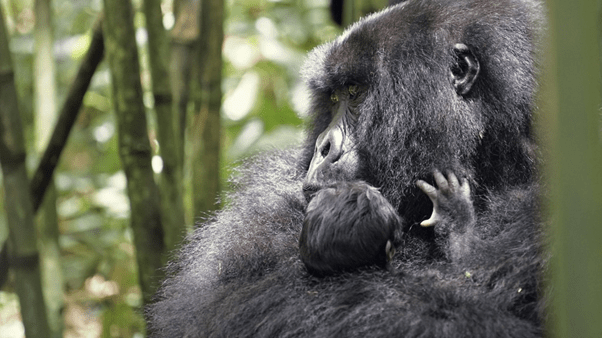
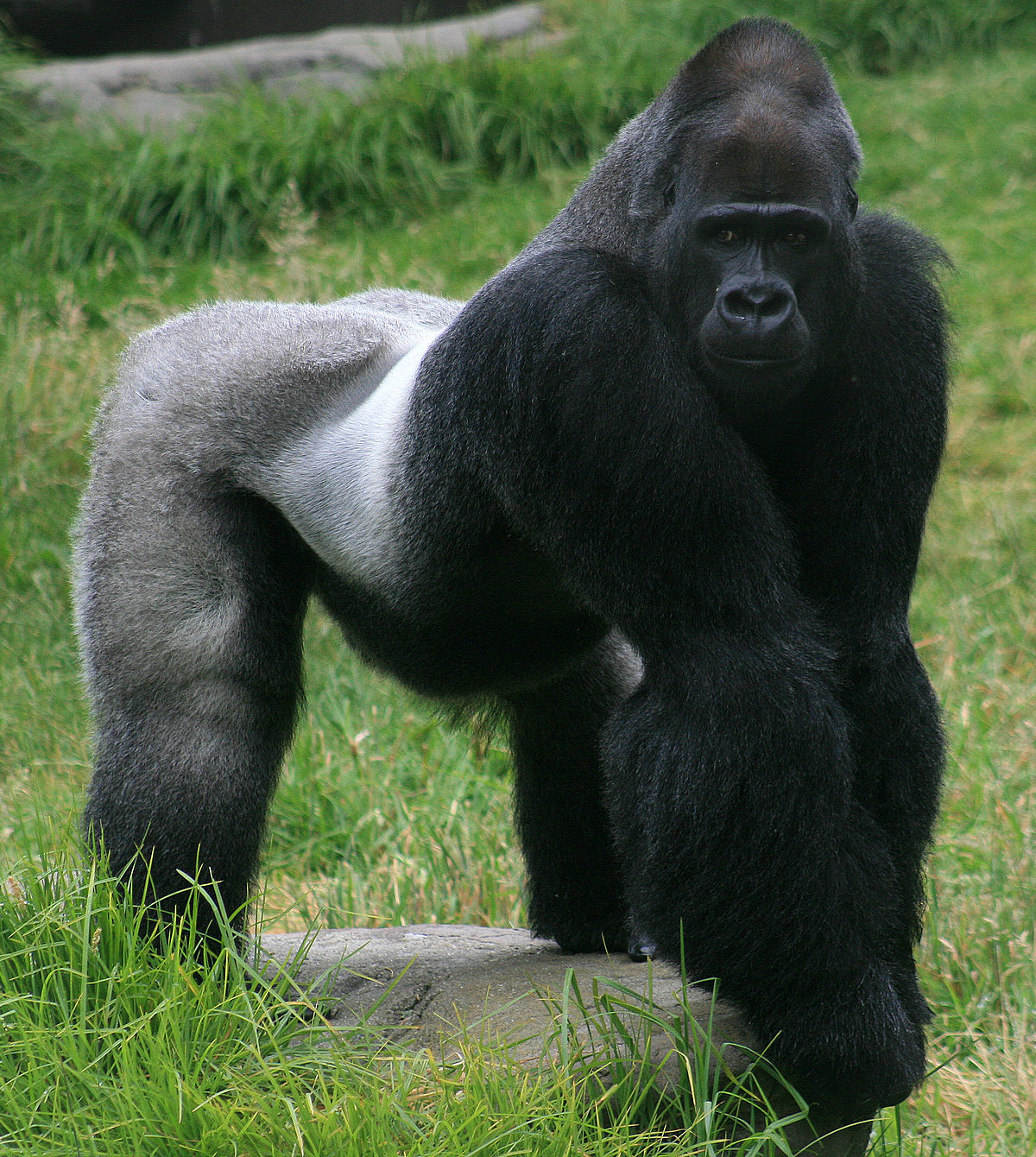
One of the top destinations for ecotourists is Rwanda, where meeting the mountain gorillas is said to change your life. For a complete list of destinations, see here.

Supporters of ecotourism claim that the improved education and awareness of visitors is a key benefit of the industry. For example, visitors interviewed in Bako National Park, Borneo, showed high awareness of the environmental impacts occurring there (e.g. littering, wildlife attracted to rubbish bins and discoloured water), with the majority supportive of education and regulatory measures to control visitor numbers and forest use (Chin et al., 2000). As well as this, there are several more direct benefits of the industry to conservation: in Costa Rica, ecotourism has been found to contribute to reducing land degradation and even lead to reforestation in some areas, as well as provide increased wages to local people supporting protected areas (Stronza et al., 2019). Ecotourism gives local communities the opportunity to share their culture, revitalise ethnic traditions, share indigenous knowledge and seek employment opportunities in the sector, which in some cases can reduce other more exploitative employment such as logging (Stronza et al., 2019).

Because the number of ecotourists is much lower than mass tourists, and the assumption that they are interested in the environment, it is often assumed that the impacts of such tourists will be lower (Wall, 1997). Ecotourists are also likely to pay substantially more to fund conservation in the areas they visit (Wall, 1997). Therefore, perhaps ecotourism is valuable in generating attention and funds to conservation in areas which may themselves be less equipped to prioritise conservation funding.

“ecotourism has been shown to contribute directly to a sense of cultural pride as well as the opportunity to showcase and support local arts and, in some cases, revitalize ethnic traditions, customs and shared identities.” – Stronza et al. (2019)

However, criticisms of the industry are numerous. Ecotourism is sold as a “win-win” to both conservation and improving the lives of local people, often in poorer countries in the Southern hemisphere. But ecotourism and sustainable tourism are not synonymous.  In their review on the subject, Wall (1997) writes that the use of these terms interchangeably can be problematic, as it can be used by the tourism industry to promote green, sustainable and environmentally friendly activities (through “greenwashing”), which may in fact do more worse than good. In some areas, the pressure of building infrastructure, wildlife disruption, the greenhouse gas emissions burned through flying to the location and the disruption of predator-prey relationships can far outweigh the benefit of increasing visitor awareness of environmental issues and species protection (Chin et al., 2000).

The theory behind the movement has been further criticised, for putting a price on nature and the cultures of local people. Many conservationists believe that it is inappropriate to expose nature to market-based systems, as it takes away the intrinsic value of wild spaces and instead commodifies them, giving them a financial value. However, in a world where nature is not valued on its own merit, adding a price to its value makes its importance clearer, so that destruction to a habitat is not only seen as bad for the ecosystem itself, but also financially – and when money is at stake, people tend to pay more attention (Juniper, 2012).

Another key point to make here is that many of the issues around sustainability in ecotourism arise before a person even sets foot in their destination. Ecotourism may be sustainable at a local level, but the problem of air travel is a big one: a mass tourism destination such as Tunisia might be less sustainable in terms of visitor activity, but compared with a conservation trip to Seychelles, it has a 3x smaller environmental footprint – 433,581 international tourists in Tunisia have the same environmental footprint as 117,690 tourists headed to Seychelles (Marzouki et al., 2012). As well as the environmental impacts, the central “improves the welfare of local people” part of the definition of ecotourism is not always met. For example, the benefits of ecotourism to Nepal were not sufficient to convince local people to conserve wildlife, nor were they enough to pull locals away from logging and towards conservation of the Monarch Butterfly Reserve in Mexico (Stronza et al., 2019).

“ecotourism as a Western construct that privileges tourists’ pleasure at the expense of local communities and environments” – Stronza et al. (2019)

Summary

The ecotourism industry seems to achieve mixed results for environmental conservation depending on the scale of the projects involved. It attracts funding from around the world, conserves endangered species and has an important role in raising awareness of environmental issues to visitors (Wall, 1997). It can also support local communities, when structures are put in place that ensure local people receive direct economic benefits and lead monitoring and enforcement of conservation efforts themselves (Stronza et al., 2019).

However, it is still subject to widespread greenwashing, and should not be considered equal to truly sustainable tourism: for ecotourism to be sustainable, it’s benefits should be equally spread across the social, environmental and economic spheres of the host environment. At present, it seems that the most sustainable way of being an ecotourist is to visit local places, invest in the communities local to the area and remain conscious of your own impact, whether you’re in Tunisia, Turkey or  Timbuktu (Marzouki et al., 2012).

“ecotourism can still hold promise among an array of strategies for justifying large protected areas and building local stewardship, support, and institutional capacity for managing wildlife.” – Stronza et al. (2019)

References

Chin, C.L., Moore, S.A., Wallington, T.J. & Dowling, R.K. (2000) Ecotourism in Bako National Park, Borneo: Visitors’ perspectives on environmental impacts and their management. Journal of Sustainable Tourism8(1), pp.20-35

Juniper, T. (2012) We must put a price on nature if we are going to save it. [online] Available at: https://www.theguardian.com/environment/2012/aug/10/nature-economic-value-campaign (Accessed: 29/06/2020)

Marzouki, M., Froger, G. & Ballet, J. (2012) Ecotourism versus mass tourism. A comparison of environmental impacts based on ecological footprint analysis. Sustainability4(1), pp.123-140

Stronza, A.L., Hunt, C.A. & Fitzgerald, L.A. (2019) Ecotourism for conservation?. Annual Review of Environment and Resources44, pp.229-253

Wall, G. (1997) Is ecotourism sustainable? Environmental management21(4), pp.483-491

Dairy, developments and GM cows

The global dairy industry is a huge one. The EU, US and New Zealand account for almost half of global dairy production, and the largest 13 dairy corporations emit as much greenhouse gases as 6.9 million passenger cars generate in a year (Sharma, 2020).  Because it is so colossal, sustainability issues are plentiful within the industry, with a 2013 review on the subject finding that dairies lack adaptability in facing changing environmental, climatic and social landscapes (Von Keyserlingk et al., 2013). This post will give an overview of the developments in the industry, and an overview of the profit vs environmental protection debate.

Compared with the dairy production of 1944, 59% more milk is produced by 64% fewer cows, which themselves consume 77% less feed (Von Keyserlingk et al., 2013). Average yield of milk per cow per year has increased to a whopping 7500l, compared to 5500l 10 years ago (Pullar et al., 2011). This intensification of animal agriculture has clear benefits, the main being the increased efficiency in feed and water usage per litre of milk product, which is critical in the mission to feed the 9 billion people living on the planet by 2050. And efficiency is easier to achieve in larger settings: Milani et al. (2011) reported that small dairies released around 4x the amount of greenhouse gases as large plants, the majority of which were associated with electricity consumption.

But intensification of the industry has also got its negative points. The push to reduce the cost of producing milk means that biodiversity, smallscale farming, animal welfare and environmental protections are often forgotten. In 2004 50% of dairy output was produced by only 25% of producers, as it is more economically viable to concentrate production into fewer, larger farms, than many small dairies (Dewick & Foster, 2007). This is of course bad news for mid-sized dairies and rural economies, but also worsens the vicious cycle of environmental destruction: encouraging mass production at low prices forces farms to expand in order to remain viable and competitive, which in turn increases the environmental footprint of such operations, further encouraging mass production.

The intensification of animal agricultural has resulted in disruptive effects on the environment, food availability, rural populations, biodiversity, and animal welfare” – Von Keyserlingk et al., 2013

But is mass production always a bad thing? Concentrating production in larger corporations also brings the benefit of higher capital, which makes investment into improving efficiency more feasible. The high cost of many technological solutions prevents smallscale dairies from investing, but this is less of a barrier to large corporations (Milani et al., 2011). Dairy UK, the industry’s largest trade union in Britain, encourages such investment in improving efficiency and reduced resource use through its “Dairy Roadmap”, which it claims has increased water efficiency and recycling rates of plastic milk bottles by 24% and 85% respectively since its creation in 2008 (dairyuk.org).  

It is important to note here that smallscale dairies are still a crucial part of milk production around the world, and that they are not necessarily inefficient because of their size. When accounting for the full life cycle of a product, there are gains to be made outside of production – the environmental footprint of any dairy can be reduced by delivering products in glass bottles or cardboard cartons compared to plastics, by transporting to local consumers (lowering food miles) and by using renewable energy sources across all stages of production and processing (Milani et al., 2011).

Production system and herd size are not good indicators of profitability – the key factor is that the system is well managed.” – Pullar et al., 2011

It is not clear cut whether agricultural intensification should be encouraged, where large businesses swallow up their smaller counterparts, or whether technological improvements should be made accessible to all, and encouraged across all sections of the industry. The next section will look at a couple of other issues I found interesting when researching for this blog post – I hope you do too!

Water usage

In arid regions, such as California in the US, irrigation is heavily relied upon for the growth of crops for cattle. 98% of the water footprint for animal production in these regions is tied to the production of feed – this is really concerning when climate change is expected to alter weather extremes, increase aridity in many areas and alter growing seasons across the world (Von Keyserlingk et al., 2013).

Modifying cattle

Selective breeding has been the main way through which cattle are selected for milk production: choosing the best quality cattle ensures the best quality and the highest volume of milk. But it can also lead to a loss of genetic diversity, reduced fertility (Moore & Thatcher, 2006) as well as welfare problems in cattle (Dewick & Foster, 2007). Many technologies have been developed to artificially develop “superior” animals for milk production, including artificial insemination, transgenesis and even cloning. Such genetic modification allows desirable traits to be added to an individual from other individuals or other varieties of cattle (Moore & Thatcher, 2006). For example, it has been shown that a gene taken from a bacteria and inserted into cattle can lead to resistance to mastitis, a potentially fatal disease which causes inflammation (Moore & Thatcher, 2006). This has huge potential at further improving the environmental impact of the industry, through breeding cattle who need fewer resources to produce milk. However, genetic modification is mistrusted and hugely debated amongst the general population, which prevent its current use.

References

Dewick, P. & Foster, C. (2007) Transition in the UK dairy industry: a more sustainable alternative?. SCP cases in the field of Food, Mobility and Housing, p.23

Milani, F.X., Nutter, D. & Thoma, G. (2011) Invited review: Environmental impacts of dairy processing and products: A review. Journal of dairy science94(9), pp.4243-4254

Moore, K. & Thatcher, W.W. (2006) Major advances associated with reproduction in dairy cattle. Journal of Dairy Science89(4), pp.1254-1266

Pullar, D., Allen, N. & Sloyan, M. (2011) Challenges and opportunities for sustainable livestock production in the UK. Nutrition Bulletin36(4), pp.432-437

Sharma, S. (2020) Milking the planet. [online] Available at: https://www.iatp.org/milking-planet?fbclid=IwAR05hFHrMhcgogBQ4ams7YcjBTUcG0gjS-zxVtJ1NXHBWSlG_nKRafMcTP8 (Accessed: 22/06/2020)

Von Keyserlingk, M.A.G., Martin, N.P., Kebreab, E., Knowlton, K.F., Grant, R.J., Stephenson, M., Sniffen, C.J., Harner Iii, J.P., Wright, A.D. & Smith, S.I. (2013) Invited review: Sustainability of the US dairy industry. Journal of Dairy Science96(9), pp.5405-5425

Captivity: Conservation of Scottish Wildcats

The Scottish Wildcat* (Felis silvestris grampia) represents the last surviving wild member of the cat family in Britain (Fredriksen, 2016). It is a famously elusive and untameable species (Gartner et al., 2014), which resembles the domestic tabby cat, with a large black-tipped bushy tail. It is among the most endangered species in Britain, with under 400 individuals left in the wild (Fredriksen, 2016). Despite being protected under the Wildlife and Countryside Act (1981), a number of threats have resulted in such a diminished population of wildcats: the most important of these include viruses transferred from domestic cats, shooting by gamekeepers concerned about their predatory behaviour (Hubbard et al., 1992), destruction of habitat, and introgression.

Scottish wildcat - Wikipedia
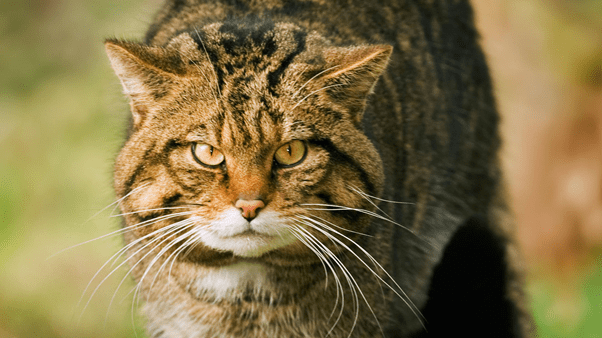
The Scottish Wildcat, Felis silvestris grampia, has been living in Britain for thousands of years. A study into the personality of wildcats (yes, it is a real thing) shows that they can be aggressive towards other wildcats, but that they are also less impulsive and erratic compared to domestic cats (Gartner et al., 2014). Source: wikipedia.org

This post will focus on the complex ethical and biopolitical concerns around “introgression”, which is the fancier term for describing hybridisation, which in this case takes place between Scottish wildcats and feral domestic cats (Macdonald et al., 2010). Whilst many encounters between Scottish Wildcats are combative (Hubbard et al., 1992), hybridisation has been a huge concern for wildcat conservationists. This is because when wildcats breed with domestic cats, they produce fertile hybrids, which when themselves breed will lead to the Scottish Wildcat genes being slowly replaced by those of domestic cats, gradually wiping out the “pure” Scottish wildcats of which there are already so few (Fredriksen, 2016).

The fear of conservationists is that wildcats and feral domestic cats are becoming one indistinguishable group of wild-living cats in Scotland and, in time, the ‘pure’ Scottish wildcat type will become extinct.” – Fredriksen, 2016

In order to combat hybridisation, many suggest that feral domestic cats should be removed from the areas in which Scottish wildcats have been recorded. This can be through direct killing neutering, putting “curfews” on cats by cat owners (as encouraged in Australia to limit wild and domestic cat contact) or removing Scottish wildcats entirely from their natural environment and preserving them in captivity (Macdonald et al., 2010). These methods are made significantly trickier as although feral domestic cats can be legally controlled, Scottish wildcats can’t – and because the two subspecies look so similar, these methods of population management could do more harm to the Scottish wildcat population than good (Fredriksen, 2016). One study reported by Macdonald et al. (2010) further looked at solutions to this problem across the Scottish Cairngorms, proposing a combination of neutering confirmed feral cats, educating cat owners and educating gamekeepers to identify wildcats, to prevent accidental shooting. But to control hybridisation from the wildcat end, keeping them in captivity seems to be the preferred approach.

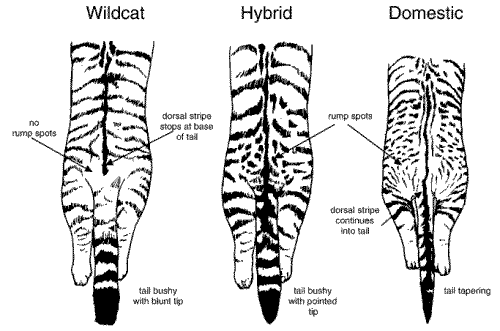
The morphological differences between a Scottish Wildcat, a domestic tabby, and a hybrid of the two.

Captive breeding offers an “insurance policy” to the species and its genetic purity: Removing individuals from their habitat is justified as it allows a captive population to be maintained in the hopes of later release when conditions improve (Fredriksen, 2016; Macdonald et al., 2010). However, the co-presence of feral domestic cats is not going to go away quickly: the number of Scottish wildcats may only be in the low hundreds, but the total number of wild cats across the area is in the thousands (Macdonald et al., 2010).

The irony of the wildcat captive breeding programme would be, of course, that by attempting to conserve a ‘pure’ version of the Scottish wildcat, the very thing that is prized about the wildcat is lost: its wildness.” – Fredriksen, 2016

Wild cats meeting the stringent definition of “wildcat” are rare: morphological and genetic features are difficult to determine at the individual level. So maybe the more important question here is not how to conserve Scottish wildcats and separate them from their domestic cousins, but to determine why it is that hybrids are “threats” to pure Scottish wildcats instead of being seen as a development of the population of wild cats in Scotland (Fredriksen, 2016). This is where the biopolitics and ethics comes in: Why is one species valued and protected, when hybrids are controlled and given no conservation value, despite filling the same ecological niche in the wild?

Fredriksen (2016) is of the opinion that captive breeding is a human construct in which a preferred “pure” species iconic to a particular landscape (in this case, the Scottish wilderness) is favoured over one which threatens this ideal:

This discourse of the threat of ‘genetic pollution’ to the ‘pure’ lineage of the Scottish wildcat lays bare the ultimately eugenicist workings of the biopolitical parsing of valued and unvalued lives in the conservation of species.” – Fredriksen (2016)

This is quite a controversial opinion, but is also a logical one: it highlights that conservation should be more supportive of changing wildlife populations and the development of new species and wild cat populations through time, rather than trying to return back to a particular “ideal” state by preserving a particular species characteristic of such a state. However, opponents challenge this idea for a number of reasons. In their study on conservation of rare plants, Longton and Hedderson (2000) discuss the ethical reasons why rare species should be conserved. These include aesthetics, improvement to human quality of life (through seeing such creatures),  our innate obligation to protect endangered species, the need to protect genetic diversity and concerns around ecosystem stability (Longton & Hedderson, 2000). I would also add to this list the value of protecting something which has been in an area for thousands of years, and the value of saving such a species from manmade threats. But when acknowledging that some animals are given greater value than others based on their charisma, popular appeal or genetic “purity”, it does question the ethics of controlling “threat” species to protect them.

*’Wildcat’ refers to the genetically pure Scottish Wildcat subspecies. ‘Wild cat’ (with a space in between) or ‘feral cat’ refers to cats which are living in the wild, rather than as pets.

References

Hubbard, A.L., McOris, S., Jones, T.W., Boid, R., Scott, R.& Easterbee, N. (1992) Is survival of European wildcats Felis silvestris in Britain threatened by interbreeding with domestic cats?. Biological Conservation61(3), pp.203-208

Gartner, M.C., Powell, D.M. & Weiss, A. (2014) Personality structure in the domestic cat (Felis silvestris catus), Scottish wildcat (Felis silvestris grampia), clouded leopard (Neofelis nebulosa), snow leopard (Panthera uncia), and African lion (Panthera leo): A comparative study. Journal of Comparative Psychology128(4), p.414

Fredriksen, A. (2016) Of wildcats and wild cats: Troubling species-based conservation in the Anthropocene. Environment and Planning D: Society and Space34(4), pp.689-705

Macdonald, D.W., Yamaguchi, N., Kitchener, A.C., Daniels, M., Kilshaw, K. & Driscoll, C. (2010) Reversing cryptic extinction: the history, present and future of the Scottish Wildcat. Biology and conservation of wild felids, pp.471-492

Longton, R.E. & Hedderson, T.A. (2000) What are rare species and why conserve them?. Lindbergia25(2/3), pp.53-61

Badger Culling

Badgers are charismatic, black-and-white striped mammals which share their scientific family with otters, weasels and ferrets, and are protected in the UK under the Protection of Badgers Act 1992 (Bennett & Willis, 2008). They live in underground setts, some of which have been found to extend from 20-100m or more, with the largest in the UK having over 50 entrances (Badger Trust). This post is going to look at the controversial topic of badger culling in the UK, the process of reducing badger population to control the spread of Bovine TB, a significant threat to British cattle.

Mäyrä Ähtäri 4.jpg
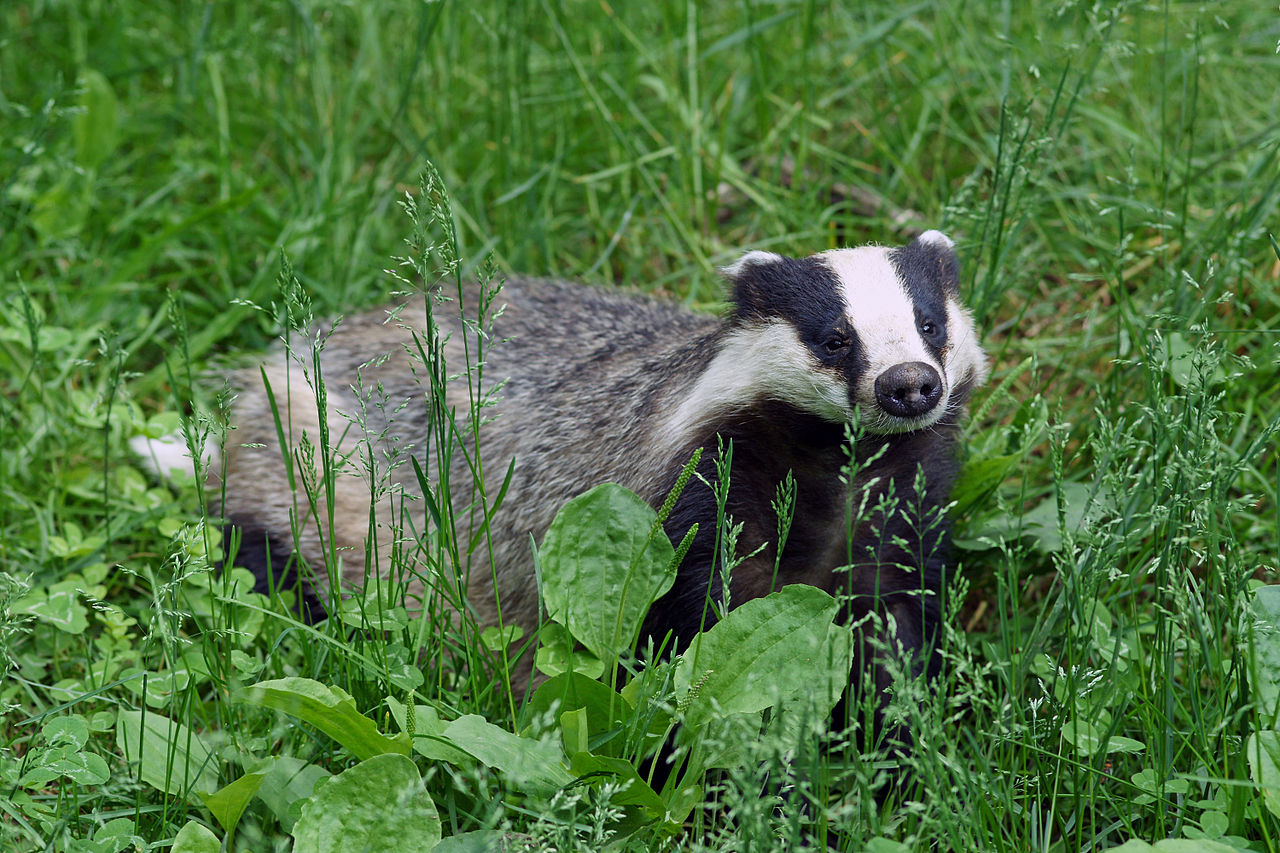
Cheeky badger pic, couldn’t resist. Source: wikipedia.org

Bovine Tuberculosis is a disease caused by the bacterium Mycobacterium bovis. In cattle, it is a contagious respiratory disease that can potentially also infect goats, pigs, dogs and even humans. The bacteria can spread rapidly through a herd of cattle through respiratory transmission (Department of Agriculture, Environment and Rural Affairs). Badgers have been suggested to be an important wildlife reservoir for the disease, and a source of transmission to British cattle (Bennett & Wilson, 2008): badgers infect cattle through contact with them, resulting in cattle being slaughtered: it is estimated that around 30,000 cattle are slaughtered every year due to the disease (Horton, 2020).

In the UK, government spending on culling badgers to control the spread of Bovine TB is huge: since it began in 2013, £40 million has been spent killing badgers, or an estimated £1000 per badger (Black, 2018). But is badger culling really an effective way of controlling bovine TB?

The most significant piece of scientific evidence around badger culling came from the government supported Randomised Badger Culling Trial (RBCT). This project was designed to determine the benefits of badger culling in controlling Bovine TB, and involved trials of “proactive”, “reactive” or no culling across large areas between 1998-2005 (Donnelly et al., 2007). The final report found that “badger culling can make no meaningful contribution to cattle TB control in Britain”, and that whilst widespread culling reduced TB incidence inside culled areas, it caused behavioural changes in badgers which led to an increase in bacterial transmission between cattle and badgers outside the culling zone (Donnelly et al., 2007). The RBCT also found that only 5.7% of TB outbreaks can be linked to badgers, and that 80% of the 11,000 badgers culled across the study period did not have TB (Badger Trust).

Our findings confirm that infectious contact between badgers and cattle is related to badger density in a manner that is strongly non-linear.” – Donnelly et al., 2007

A number of scientific studies indicate that culling badgers is only a successful control on the spread of bovine tuberculosis if it is widespread and repeated. But what does the public think of this approach? In 2008, Bennett & Willis conducted a survey into public opinion around badger culling, using interviews and value analysis to determine the thoughts of 400 participants. According to the study, 83% of the respondents agreed that “badgers are an important wildlife species in Britain”, but over half also agreed that active management of badger population is necessary. Although people were in favour of managing badger populations, they were also against a cull: 87% agreed that badger populations should be controlled without killing them, and 73% directly objected to the cull (Bennett & Willis, 2008).

Another study investigated the ethical side of badger culling. In their study, which asked “would a virtuous government kill Mr Badger?” (a reference to the wise but gruff character in Grahame’s “Wind in the Willows”), McCulloch and Reiss (2017) looked at the UK government’s response to the findings outlined in the RBCT in terms of ethics and morality. They found that the government was not necessarily prioritising justice through undertaking badger culling, writing:

Justice is the first virtue of government, and the analysis has found badger culling to be problematic in this context. Based on government figures of achieving a 19% reduction bovine TB incidence over 9 years, around 85,000 badgers will be culled to prevent the slaughter of approximately 18,000 cattle. This translates to around five badgers culled for each cow that avoids slaughter. Furthermore, whereas slaughtering ~18,000 cattle involves killing 0.33% of the baseline cattle population, culling ~85,000 badgers involves killing 38.6% of the baseline badger population.” – McCulloch & Reiss, 2017

The point they make in this research is clear: it is unfair to cull these animals when the science is saying that there are unintended consequences (such as the behavioural perturbation of badgers outside the culling zone, Donnelly et al. 2007), the cost of culling is so dramatically high (with control of the disease expected to cost taxpayers £1bn over the next decade, McCulloch & Reiss, 2017), when badgers already have a much lower population, meaning a greater proportion will be lost, and when there are more cost-effective alternatives available (such as focusing on cattle-based solutions as the RBCT recommended).   One alternative to culling is badger vaccination. A Derbyshire Wildlife Trust trial in 2018 found that vaccinating a badger would cost £82, compared to killing it, which would cost £339 (Wildlife and Countryside Link, 2018). Vaccination could deliver a range of benefits: it prevents an iconic species from being threatened, needlessly killed or killed in an inhumane way; it saves taxpayers and farmers money to control the spread of Bovine TB; and it is a more effective way of controlling the disease in badgers, and therefore its transmission to cattle.

Earlier this year, the UK government announced plans to trial a vaccine for badgers over the next 5 years, and has committed to gradually phasing out intensive culling. Yet Environmental Secretary George Eustice still claimed that the legacy of badger culling has led to a “significant reduction in disease”, despite concrete evidence against it (Ghosh, 2019). For now, it seems we might soon see an end to badger culling in the UK. Until then, engage in discussions on the topic and appreciate the wonderful creatures which we get to share our planet with.

References

Badger Trust (n.d.) The Badger Cull. [online] Available at: https://www.badgertrust.org.uk/cull (Accessed: 10/06/2020)

Bennett, R.M. & Willis, K.G. (2008) Public values for badgers, bovine TB reduction and management strategies. Journal of Environmental Planning and Management51(4), pp.511-523

Black, G. (2018) After spending £40m, the government’s new badger cull review appears to confirm what opponents have said all along. [online] Available at: https://www.thecanary.co/discovery/2018/11/13/after-spending-40m-the-governments-new-badger-cull-review-appears-to-confirm-what-opponents-have-said-all-along/ (Accessed: 10/06/2020)

Department of Agriculture, Environment and Rural Affairs (n.d.) What is Bovine Tuberculosis (TB)? [online] Available at: https://www.daera-ni.gov.uk/articles/what-bovine-tuberculosis-tb (Accessed: 10/06/2020)

Donnelly, C.A., Wei, G., Johnston, W.T., Cox, D.R., Woodroffe, R., Bourne, F.J., Cheeseman, C.L., Clifton-Hadley, R.S., Gettinby, G., Gilks, P.& Jenkins, H.E. (2007) Impacts of widespread badger culling on cattle tuberculosis: concluding analyses from a large-scale field trial. International Journal of Infectious Diseases11(4), pp.300-308

Ghosh, P. (2019) Badger culls have varying impacts on cattle TB. [online] Available at: https://www.bbc.co.yk/nred/science-environment-50005580 (Accessed: 10/06/2020)

Horton, H. (2020) Badger culls to be phased out in fabour of vaccinations, Government announces. [online] Available at: https://www.telegraph.co.uk/news/2020/03/05/badger-culls-phased-favour-vaccinations-government-announces/ (Accessed: 10/06/2020)

McCulloch, S.P. & Reiss, M.J. (2017) Bovine Tuberculosis policy in England: would a virtuous government Cull Mr Badger?. Journal of Agricultural and Environmental Ethics30(4), pp.551-563

Anthropocene

Today is the first day in what I am referring to as my “Alphabet”, which will feature an environmental/social issue for every letter (Z and Q remain a struggle so let me know if you have any ideas!) So, A is for Anthropocene.

“Anthropocene” is the term used by many to describe the new geological epoch (time in Earth’s history) in which we now live. It has been suggested that because of the enormous and all-encompassing impacts which the wealthiest in global society have had on the planet, including climate change, ocean acidification, habitat destruction, widespread atmospheric and water pollution and resource exploitation just to name a few (Natural History Museum), we are beyond the realms of what is “natural” and are instead entering into unchartered geological territory. But before I get into the debate around this topic, let’s first understand what a “geological epoch” is.

Recognition of intimate feedback mechanisms linking changes across the atmosphere, biosphere, geosphere and hydrosphere demonstrates the pervasive nature of humankind’s influence, perhaps to the point that we have fashioned a new geological epoch, the Anthropocene.” -Waters et al., 2014

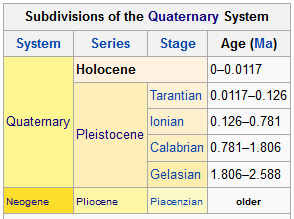
Geology can be daunting primarily because of its unfamiliarity and long names (or maybe that’s just me). But as with most things, a picture speaks a thousand words. The image below is a section of the geological timescale covering the Quaternary Period, which is the name for the most recent period of time in Earth’s life. Geological time is firstly divided into eons, these being the largest sections which encompass everything else. Within eons, there are eras, and within eras, are periods, such as the Quaternary Period, which started around 1.8 million years ago (where we are now). And much like a set of Russian dolls, there are epochs within periods, and ages within these. Got all that?! The “Anthropocene” has been suggested to define a new epoch, which is pretty significant as it would remove us entirely from our current epoch, the Holocene.

Holocene Epoch | Geology Page
This image zooms in on the Quaternary Period. It shows that at present, we are in the Holocene, an epoch which started around 11.7 thousand years ago. Before this came the Pleistocene, which covered the rest of the 2.6 million years of geological time during the Quaternary. the period we are now in. Source: http://www.geologypage.com

Geological time periods are typically distinguished based on the identification of geological units (physical and often observable changes in rock, sediment or fossil composition, for example changing sediment colour). Units act as evidence of events which caused major shifts in the Earth system, like mass extinction events or changes in ocean current cycling (Waters et al., 2014).

To determine whether the Anthropocene should be an official geological epoch, which would recognise that humanity is now the dominant force responsible for the Earth’s processes, the Anthropocene Working Group was set up in 2009 (Waters et al., 2014), comprising scientists, geologists and the Nobel Prize winner who coined the term, Paul Crutzen. One of its aims is to find a GSSP (Global Boundary Stratotype Section and Pont) for the start of the period, which is basically a point (or unit) in the sediment somewhere in the world which clearly defines the beginning of the new geological time zone. Markers within the sediment which distinguish it from surrounding sediment might include an obvious shift in the composition of the fossil groups preserved within, or a change in the geochemical makeup of the sediment itself.

An example GSSP, where you can clearly see a change in colour across horizontal lines in the sediment. This marks the boundary between the end of the Ediacaran Period (635-541 million years ago) and the beginning of the Cambrian period (541-485.4 million years ago). Unlike that of other periods, this GSSP is not defined by changes in the fossil record, but instead by the geochemical content of the sediment. Source: wikipedia.org

The process of finding geological evidence for the Anthropocene has proven difficult: particularly because there is no universal consensus on when this new zone actually began. Some believe that the start of the Anthropocene (that is, the point at which humans were first dominating Earth’s processes) should represent the start of human civilisation, which came with the dawn of agriculture 12-15,000 years ago. Others instead think it should be start at 1950 during the Great Acceleration, which seems to coincide with geological evidence for population growth, industrialisation and globalisation, as well as the impact of nuclear weapons (Waters et al., 2014; Subcommission on Quaternary Stratigraphy, 2019).

Within the Anthropocene Working Group (AWG) 88% believe that the Anthropocene should be an official, geologic time period defined by a GSSP, according to a vote taken in May 2019. Another 88% were in favour of the period starting at 1950. But you might be starting to wonder at this point: why does it matter? Surely it’s all just scientists arguing for the sake of arguing, without any significance for the rest of us?

Words are important in highlighting problems and their solutions. The use of the term “Anthropocene”, and its backing by scientists across the globe, forces us to recognise that our planet is now dominated and overpowered by the activities of our own species (Vansintjan, 2015). However, the term has been criticised for not being political enough: pinning the blame on humankind as a whole (as “Anthropo” from the Greek “Anthropos” means “human”) suggests that every member of society has an equal role in the destruction we have wrought on the planet, which is completely untrue. As we know, the global West has had the greatest impact on our current climate crisis, stemming at first from a historic legacy of fossil fuel burning, inefficient resource use and rapid development, and maintained through the capitalist ideals which have for decades put profit before people, planet, and just about everything else. But pinning the start date to 1950 rightfully places the responsibility at the feet of the wealthiest nations, where the Great Acceleration was most concentrated.

Vansintjan (2015) writes that acknowledging our own influence better frames the power we have to solve the problems which we now face. But if nothing else, the Anthropocene is a physical demonstration that we are beyond the realms of “natural”, and that we can’t return to the unspoiled, pristine planet of the past.

References

Waters, C.N., Zalasiewicz, J.A., Williams, M., Ellis, M.A. & Snelling, A.M. (2014) A stratigraphical basis for the Anthropocene?. Geological Society, London, Special Publications395(1), pp.1-21

Subcommission on Quaternary Stratigraphy (2019) Working group on the “Anthropocene”. [online] Available at: http://quaternary.stratigraphy.org/working-groups/anthropocene/ (Accessed 07/06/2020)

Natural History Museum (n.d.) What is the Anthropocene and why does it matter? [online] Available at: https://www.nhm.ac.uk/discover/what-is-the-anthropocene.html (Accessed 07/06/2020)

Vansintjan, A. (2015) The Anthropocene debate: why is such a useful concept starting to fall apart? [online] Available at: https://www.resilience.org/stories/2015-06-26/the-anthropocene-debate-why-is-such-a-useful-concept-starting-to-fall-apart/ (Accessed: 07/06/2020)

Design a site like this with WordPress.com
Get started