Online Shopping II: online vs. in-store?

Introduction

Between 2001 and 2015, the number of online purchases worldwide increased by an enormous 125% (Al-Mulali et al., 2015).  Part one of this series demonstrated how the purchasing of everything from groceries to clothing, toys and shoes online has been tied to a range of both positive and negative environmental impacts. And when it comes to the negatives, consumers remain blissfully unaware: our preference for immediate gratification through spontaneous purchases often outweighs any consideration of the environmental damage for which we might be responsible. So what are companies doing to improve the current plague of packages? And which is better for the planet – shopping online or in person?

What are companies doing to improve their environmental footprint?

Of course there are a number of players involved in the problems associated with online shopping, including lawmakers, distributers and consumers. But companies need to take the responsible distribution and packaging of their products seriously: wasted resources are not just wasted resources for them, but also wasted money.

As such, a number of businesses are developing new ways to deliver parcels. For example, electric vehicles are receiving a lot of support, as their usage would lower long-term distribution costs and point-of-use air pollution, despite high initial starting costs (Schöder, 2016). Amazon, which ships over 10 billion packages each year around the world, has ordered (according to a press release by the company) 100,000 electric vans to start delivering in 2021 – this is an important move, considering that the company creates the same amount of CO2 emissions as a small country, or 85% of Switzerland’s emissions (Saner, 2020). Amazon, as well as American company FedEx have also shown interest in deploying smart ground-based robots to deliver individual items, or drones to deliver packages through the air (Ensia.com). But perhaps the low-tech solution is the best: bicycle couriers deliver packages to consumers using Deliveroo, and have no CO2 emissions at all (plus you can get a sweet calf workout whilst you work!).

Drone Delivery | Drones, robots and predictive software ...
How would you react to seeing delivery drones everywhere? Source: http://www.routexl.com

Online shopping vs traditional shopping

Now we arrive at the big question… Is it better for the planet to shop online or instore? There is great potential for a positive environmental impact from online shopping, based on the “3 D’s”: dematerialisation (buying less), decarbonisation (reduced emissions) and demobilisation (fewer journeys) (Cullinane et al., 2008). Hypothetically, a truck which delivers 100 packages could replace 100 individual car journeys (Al-Mulani et al., 2015). By creating a more integrated, coordinated system of delivery, thousands of vehicles could be taken off the road each day, through taking advantage of more recent ideas like consolidation centres or even crowd-shipping, where people can deliver goods for one another on their daily commutes (Tehrani & Karbasi, 2005). But there are still several conditions which need to be met in order for online shopping to be “greener”, at least in my humble opinion, than traditional shopping:

  • If the ability to shop online reduces car usage in the general population (Cullinane et al., 2008)
  • If shopping online replaces instore shopping, and does not add to it (Al-Mulani et al., 2015)
  • If packaging legislation was simpler to understand and standardised everywhere
  • If return policies were stricter, to discourage consumers from binge-buying only to send their goods back
  • If multiple items were purchased from the same website, to reduce the number of trips to deliver single packages at a time (Al-Mulani et al., 2015)
  • If purchases of goods focused on items which cannot be sourced locally, making online ordering otherwise unavoidable (Al-Mulani et al., 2015)
  • If the fuel powering the delivery vehicles was sourced from renewable resources, or vehicles used were highly efficient (Tehrani & Karbasi, 2005)
  • If collaborative initiatives between suppliers and distributors could be developed, reducing individual transport of goods and promoting efficient delivery (Schöder, 2016)
  • If collection points and lockers were encouraged over home delivery, reducing deliveries to multiple locations and encouraging forward-planning of consumers (Saner, 2020)
  • If ship and air freight could be more efficiently planned, or reduced altogether

This is a long list of caveats, but also a long list of opportunities for everyone involved in buying, selling and legislating the world of online shopping. The system must be improved for the sake of our resources, our air and our environment. At the moment, I believe that getting everything in-store is better than buying online – but there is no hard and fast rule for this. We have as much responsibility for what we buy as those that sell it, and of course the purchase that doesn’t happen has the lowest carbon footprint of them all.

References

Al-Mulali, U., Sheau-Ting, L. & Ozturk, I. (2015) The global move toward Internet shopping and its influence on pollution: an empirical analysis. Environmental Science and Pollution Research22(13), pp.9717-9727

Cullinane, S., Edwards, J. & McKinnon, A. (2008) Clicks versus bricks on campus: assessing the environmental impact of online food shopping. In Supply Chain Innovations: People, Practice and Performance” Proceedings of the Logistics Research Network Annual Conference, pp. 358-363

Ensia.com (n.d.) In store or online – what’s the environmentally friendliest way to shop? [online] Available at: https://ensia.com/features/environmental-cost-online-shopping-delivery/ (Accessed: 23/05/2020)

Saner, E. (2020) Delivery disaster: the hidden environmental cost of your online shopping. [online] Available at: https://www.theguardian.com/news/shortcuts/2020/feb/17/hidden-costs-of-online-delivery-environment (Accessed: 23/05/2020)

Schöder, D. (2016) The impact of e-commerce development on urban logistics sustainability. Open Journal of Social Sciences4(03), p.1

Tehrani, S.M. & Karbasi, A. (2005) Application of E-commerce in local home shopping and its consequences on energy consumption and air pollution reduction. Available at: https://www.sid.ir/en/Journal/ViewPaper.aspx?ID=50252 (Accessed: 23/05/2020)

Online shopping I: packaging, planning and pollution

Introduction

This post is the first of two looking at different aspects of online shopping. E-commerce has grown hugely over recent years with improvements in access to technology, Internet speed, online payment security and delivery (Zhang et al., 2016), meaning it is rapidly becoming the most popular way to shop. Online shopping frees time, reduces the need to transport your items home (Cullinane et al., 2008), and can be done whenever, wherever (Zhang et al., 2016). And if online shopping completely replaces shopping in-store, it could be better for the environment too. But what impact is it really having on our environment? This essay will discuss some of the biggest environmental repercussions of our click-happy habit of buying online. Part two will look at what is being done by big business to solve these problems, as well as some other things to think about when trying to answer the big question: is online shopping or shopping in-store better for the environment?! 

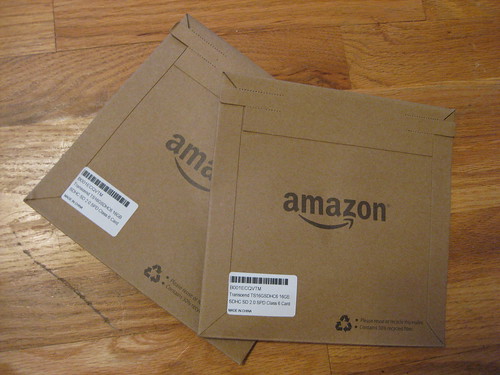
Amazon.com's frustration-free packaging | TORLEY | Flickr
Look familiar? Source: http://www.torley.com

Packaging

The first, and possibly most obvious environmental effect of online shopping is the increase in packaging waste. Although apparently insignificant at the individual level, packaging waste constitutes a huge misuse of resources including wood, paper, and plastic. In China, the most frequently used packaging type is PVC (a thin plastic), which takes at least 100 years to degrade in the soil. The single use of non-biodegradable materials, coupled with a general lack in packaging regulations in many countries (Zhang et al., 2016), strains our current waste system and makes landfill dumping more likely. As well as this, some of the chemicals used in packaging such as formaldehyde in glue can impact human health by causing skin irritation (Zhang et al., 2016). Packaging is an important part of this story: after all, you are not just buying the product itself, but everything it is wrapped in. In some countries, there are relatively tight regulations on the volume and type of packaging which can be used: for example, packaging materials in the UK shrunk by 40% between 1996-2016 as a result of legislative change (Zhang et al., 2016). In other countries, packaging is better designed to facilitate reuse and recycling, whilst others ban many materials altogether (Schöder, 2016). This lack of a standardised approach can make it harder for both sellers and consumers to know what to expect, which further exacerbates the problem.

Logistics

Packaging is not the only piece of the is-online-shopping-better-for-the-environment puzzle – another huge consideration is logistics. In Great Britain, the average person makes 219 shopping trips per year (Cullinane et al., 2008), many of which might be prevented through buying online (especially in the case of groceries). But logistics is more than just one large vehicle replacing several smaller. It encompasses whether online shopping replaces or supplements traditional shopping (Cullinane et al., 2008); the distance the item has travelled to get to its destination; return orders (especially when return orders are free of charge, encouraging consumers to buy more only to send some back) (Schöder, 2016); type of vehicle and fuel used to transport goods; failed deliveries (so-called “not at home”s, (Cullinane et al., 2008))…. The list goes on! In 2015, Al-Mulani et al. reported that internet shopping does not reduce the environmental impact of shopping unless it can replace 3.5 physical shopping trips, if 25 deliveries are delivered in one journey or if the distance the item has travelled exceeds 50km – which seems to counter the theoretical argument that shopping online saves petrol. But logistics is not only important when thinking about traffic, saving petrol or CO2 emissions, but also air pollution.

Air pollution

 Logistical problems are highly focused on the “last mile”, which can generate more CO2 emissions than all other upstream activities (Ensia.com). This segment of the parcel’s journey has received a lot of academic attention, particularly as it is the point-of-use emissions of transport vehicles which can cause high levels of localised air pollution. In a consumer behaviour survey of grocery shoppers in Tehran, it was found that switching to e-commerce could save 20.12 tons (or 25% of 2005 levels) of air pollutants per year, when considering the average emissions, distance and fuel type of each vehicle in the sample studied (Tehrani & Karbasi, 2005). In China, the impacts on air pollution form a cycle: the use of motor vehicles to go shopping contributes to smog and poor air quality, which in turn encourages online shopping: studies show that on severe haze days in China, online purchases increase (Zhang et al., 2016). This is obviously a huge problem which affects human health as much as the environment, but thankfully a range of solutions has been suggested.

One of these potential solutions could be the integration of urban consolidation centres. A study which looked at these in more detail was conducted for students in residential halls at the University of Southampton (woop woop!), where an estimated 1300 courier trips are generated annually to deliver 4000 square metres of packages (Cherrett et al., 2017). Consolidation centres are part of the “last mile”: all packages are sent to a single warehouse, allowing them to be better organised and sent on to consumer homes in fewer vehicles throughout the year. If this happened at the university, it would reduce the number of vehicles by 1000 per year (or from an average 56 vehicles per day to 1), with an annual cost to students of only £18 (Cherrett et al., 2017). If these were set up on a large scale, they could offer an opportunity to improve the current delivery system.

Conclusion

This post has suggested a few things which need to be considered in order to improve the environmental footprint of online shopping. This list is by no means exhaustive, but hopefully gives you a better perspective of the scale of delivery operations, and of the huge amount of considerations and planning involved in the industry. I don’t know about you, but my mind is frazzled at the thought of it… perhaps it is time for some therapy shopping? (Spoiler: No it is not!).

References

Al-Mulali, U., Sheau-Ting, L. & Ozturk, I. (2015) The global move toward Internet shopping and its influence on pollution: an empirical analysis. Environmental Science and Pollution Research22(13), pp.9717-9727

Cherrett, T., Dickinson, J., McLeod, F., Sit, J., Bailey, G. & Whittle, G. (2017) Logistics impacts of student online shopping–evaluating delivery consolidation to halls of residence. Transportation Research Part C: Emerging Technologies78, pp.111-128

Cullinane, S., Edwards, J. & McKinnon, A. (2008) Clicks versus bricks on campus: assessing the environmental impact of online food shopping. In Supply Chain Innovations: People, Practice and Performance” Proceedings of the Logistics Research Network Annual Conference, pp. 358-363

Ensia.com (n.d.) In store or online – what’s the environmentally friendliest way to shop? [online] Available at: https://ensia.com/features/environmental-cost-online-shopping-delivery/ (Accessed: 23/05/2020)

Saner, E. (2020) Delivery disaster: the hidden environmental cost of your online shopping. [online] Available at: https://www.theguardian.com/news/shortcuts/2020/feb/17/hidden-costs-of-online-delivery-environment (Accessed: 23/05/2020)

Schöder, D. (2016) The impact of e-commerce development on urban logistics sustainability. Open Journal of Social Sciences4(03), p.1

Tehrani, S.M. & Karbasi, A. (2005) Application of E-commerce in local home shopping and its consequences on energy consumption and air pollution reduction. Available at: https://www.sid.ir/en/Journal/ViewPaper.aspx?ID=50252 (Accessed: 23/05/2020)

Zhang, M., Chen, Y.& Shen, Y. (2016) China’s Environmental threats of internet shopping packaging wastes. J. Environ. Anal. Toxicol.6, p.401

How does stress affect how you eat?

This post is going to cover some of the research on how stress affects eating patterns and the types of food of which people love to stress eat. I am not a dietician or an expert in this field so please do not take my word for it – read the research yourself if it interests you, or ask questions if you want to know more!

Introduction

Mentally raise your hand if you have ever eaten differently because of stress. Lots of us have done it! Stress is experienced when a situation is perceived as being outside of your usual coping mechanisms – something which overwhelms our mind and body in a way that everyday situations do not (Fryer et al., 1997).  Stress has been linked to both increased and decreased dietary intake, or no change whatsoever – this makes individual differences, coping mechanisms and the type of stress-inducing situation really important in affecting food choices (Roohafza et al., 2013). With this in mind, a couple of interesting things have been discovered with regards to emotions and food. For the purposes of this post, eating disorders will not be covered in any depth.

Stress and food consumption

When we experience a moment of stress, there are a variety of ways our reaction to this stress can alter our diet. For example, the composition of that food (e.g. high in carbohydrates/fat) may suddenly make that massive bowl of pasta or tub of ice-cream seem more desirable, so that we are more likely to eat it. A loss of inhibition to “unhealthy” foods can also occur, which may further explain stress-eating behaviour (Mikolajczyk et al., 2009). This is pretty common – a study by Michaud et al. (1990) looked at the effect of high school examinations as a stressor affecting diet in over 200 teenage students, finding that both total energy intake and amount of fat in the diet increased for students on the day of their examination.

Social and political factors, such as perception of body image, self-esteem (Fryer et al., 1997) or prior eating habits (Mikolajczyk et al., 2009) also help determine what we munch when we are feeling stressed. And the focus is on the feeling of being stressed, and the negative emotions which ensue: it is not the stress itself which triggers changing dietary consumption, but the response to this stress. In theory, negative emotions should make the body feel fuller due to the release of appetite-inhibiting hormones, delay in gastric emptying (emptying of the stomach) and an increased feeling of satiety (Evers et al., 2010; Roohafza et al., 2013). So why is emotional overeating still such a common occurrence?

The first person I think of when I think of emotional eating is Bridget Jones (of Bridget Jones’ Diary). I love that woman and all her drunk-singing, eating-cornflakes-out-the-box-when-sad ways.

Hyperphagia (Overeating)

Many theories have been presented on why people overeat. One theory is that when an individual experiences stress, they subconsciously try to escape the negative self-awareness which comes from trying to understand their own emotions, and instead distract themselves with an external stimulus (food) (Evers et al., 2010). Other theories are that the pleasure of consuming the food itself can override the negative emotion associated with the stressful situation, or that the individual subconsciously attributes their negative feelings to a different cause (food), so that they don’t have to deal with the situation actually causing them (Evers et al., 2010). These theories again highlight the fact that overeating is not always about the food but about the coping mechanism.

A study by Oliver et al. (2009) further looked at coping mechanisms and eating, and in particular the habit of emotional eating. They first divided 64 healthy men and women into two groups, where one was exposed to a stressful situation (in this case, the threat of performing a speech in front of others), and the other was a control group, who had to read a passage of writing. The amount of food each group consumed prior to the stressful/control situation was recorded alongside heart rate, blood pressure and mood, and the results were quite surprising: Stress did not increase the overall intake of all food types consumed by the stressed group, but emotional eaters did increase their intake of sweeter, high fat, calorie-dense foods. Other literature supports this finding: for example in a survey of people from Germany, Poland and Bulgaria perceived stress and an associated consumption of calorie-dense foods was found to be much greater in females, of which a higher proportion are emotional eaters compared to males (Oliver et al., 2000;Mikolajczyk et al., 2009). These findings highlight again the importance of individual differences relating to emotional capability – self-esteem, anxiety, social support and dietary restraint all play a part in determining response to stress through overeating (Evers et al., 2010 and references therein).

Carbohydrates

One of the most popular choices when it comes to overeating and snacking is carbohydrates. This macronutrient provides us with loads of energy to go about our daily business, but its consumption has also been linked to mood. For example, eating carbs is believed to relieve low mood, although it could be that the low mood is linked to the carb consumption in the first place – this topic is not yet completely understood (Mikolajczyk et al., 2009).  Carbohydrates can stimulate the release of endorphins, and can even have a sedative effect (Benton, 2002). For example in a study of the Quolla Indians of Peru, known for their high murder rate and family feuds, aggression and development of low blood-glucose levels were linked (Benton, 2002). This might further suggest the powerful effect of carbohydrate consumption on mood, though of course correlation does not always equal causation in research (Benton, 2002). 

Conclusion

Perhaps this post is poorly titled – stress itself may not actually cause you to change your diet, but your mental and physical response to that stress definitely could. This is an important distinction – although at first it is a bit of a bummer to acknowledge that an external stressor is not forcing you to eat more/less, it is helpful to know that you can control your own emotional responses and therefore your relationship with food. In their study on emotion regulating strategies and emotional eating, Evers et al. (2010) found that participants who were instructed to express rather than repress their emotions ate a lower amount of comfort foods than those who were instructed to repress them. Different emotional regulation strategies shape differences in eating behaviour – so if you really struggle with over/under eating when you are overwhelmed, perhaps it might benefit you to find alternative coping mechanisms which allow you to better manage your emotions before a stressful situation knocks them all out of whack again (verywellmind.com).

Most importantly: don’t be so hard on yourself for your eating habits, or anything else for that matter. Everybody deals with things differently, and that is OK. I hope this post has been interesting, and I will see you again soon.

References

Mikolajczyk, R.T., El Ansari, W. & Maxwell, A.E. (2009) Food consumption frequency and perceived stress and depressive symptoms among students in three European countries. Nutrition journal, 8(1), p.31

Benton, D. (2002) Carbohydrate ingestion, blood glucose and mood. Neuroscience & Biobehavioral Reviews, 26(3), pp.293-308

Michaud, C.L., Kahn, J.P., Musse, N., Burlet, C., Nicolas, J.P. & Mejean, L. (1990) Relationships between a critical life event and eating behaviour in high‐school students. Stress Medicine, 6(1), pp.57-64

Fryer, S., Waller, G. & Kroese, B.S. (1997) Stress, coping, and disturbed eating attitudes in teenage girls. International Journal of Eating Disorders, 22(4), pp.427-436

Roohafza, H., Sarrafzadegan, N., Sadeghi, M., Rafieian-Kopaei, M., Sajjadi, F. & Khosravi-Boroujeni, H. (2013) The association between stress levels and food consumption among Iranian population. Archives of Iranian medicine, 16(3), pp.145-148

Oliver, G., Wardle, J. & Gibson, E.L. (2000) Stress and food choice: a laboratory study. Psychosomatic medicine, 62(6), pp.853-865

Evers, C., Marijn Stok, F. & de Ridder, D.T. (2010) Feeding your feelings: Emotion regulation strategies and emotional eating. Personality and Social Psychology Bulletin, 36(6), pp.792-804

Verywellmind.com (2020) 5 emotion-focused coping techniques for stress relief. [online] Available at: https://www.verywellmind.com/emotion-focused-coping-for-stress-relief-3145107 (Accessed: 14/05/2020)

Stress Relief through Yoga

I’ve decided to refocus the topics covered on this blog to encompass more health/nutrition/lifestyle aspects, which of course will be just as backed by research as my other posts. Let me know if there’s anything you would like to know more about in future posts!

Yoga is an ancient Indian discipline which encompasses physical postures and exercises to strengthen the body, as well as breathing and meditative practice to train mental attention (Noggle et al., 2012). People practice yoga around the world, and for a variety of reasons – a study into the use of yoga to alleviate symptoms of heart disease reported that about half of American yogis (people who regularly practice yoga) do so to improve their health, with many being prescribed yoga by doctors and therapists (Cramer et al., 2015). Yoga is designed to bring balance to the body and mind (Ross & Thomas, 2010) – and through its practice, numerous health benefits can be gained. This post will look at a handful of these benefits, focusing on the relationship between the body, mind and stress.

Would this post really be about yoga if it didn’t include a cool pose? Credits to my beautiful model Holly for the photo.

Stress and the body

In both healthy and diseased populations, yoga has been found to be as effective or even more effective than rigorous physical exercise at improving certain measures of health (Ross & Thomas, 2010). It can relieve symptoms of diabetes, multiple sclerosis, kidney disease, high blood-pressure and schizophrenia, and even for heart disease (Cramer et al., 2015). This is because the risk of heart disease is heightened in people who suffer from psychosocial stress and depression. In fact, almost 80% of all diseases and illnesses relate to stress in some way (Chong et al., 2011).

This is where yoga comes in. Yoga encompasses eight core principles: these include physical postures and control of the breath, but also meditation, concentration and control of the senses, which can in turn downregulate the systems in the body (namely the hypothalamic-pituitary-adrenal axis and the sympathetic nervous system) which produce the stress hormone, cortisol (Ross & Thomas, 2010). Because the systems which control the mind and the body are linked, yoga is especially useful as it is a holistic approach: incorporating such a “mind-body” exercise allows beneficial physical and mental outcomes to occur simultaneously (Buffart et al., 2012).

Cortisol is especially important when it comes to stress. Known as the body’s “fight-or-flight” hormone, a high concentration of cortisol can lead to a cascade of behavioural and psychological effects in the body. These include changes in blood pressure, sleep pattern, energy levels and inflammation in the body (webmd.com), which over time can disrupt the body’s basic functions. Constant stress can lead to anxiety, headaches, heart disease, memory problems, digestion problems…. The list goes on. But yoga can help mitigate these effects by helping manage such responses to stress, for example by increasing levels of natural killer cells (cells which can destroy cancerous or virus-infected cells without prior exposure to them) and immunoglobin A (antibodies in the immune system) (Ross & Thomas, 2010).

The relationship between yoga and stress levels has been tested in a variety of interesting research, even if the biological mechanisms which dictate a body’s response to stress are not fully understood. For example, a study by West et al. (2004) compared the stress levels of students who undertook either African dance lessons, yoga lessons or neither (a control biology lesson was used instead). According to feedback from students on their perceived stress, both the dancing and the yoga reduced stress levels compared to the students in the biology class. However they found that African dancing increased cortisol when yoga decreased it, showing again the complexity of the relationships between mental wellbeing and the hormones in the body (West et al., 2004). Another study looked at stress levels in dental students in India, prior to their first dental surgery experience (Shankarapillai et al., 2012). Two groups of students were studied: in one group, students were given a lecture on stress reduction. In the second group, the same lecture was given followed by teaching of yogic practices (especially breathing exercises), to be practiced prior to the operation. The results show that the second group managed their stress levels much more effectively, and had lower anxiety, just from practicing simple breathing exercises (Shankarapillai et al., 2012) prior to operating. These two studies are part of a wider range of studies into stress and yoga, which generally show the same thing: yoga is good for reducing anxiety.

Yoga and recovery

Many types of yoga are less intense than aerobic exercise, though can result in increased physical strength, muscle endurance and flexibility (Ross & Thomas, 2010). However, because of the variation in types and intensity of physical yoga practices, such benefits are difficult to predict (Buffart et al., 2012). But in many ways the lower-intensity route offers just as much of a physical and mental boost. This is especially the case for those recovering from an operation or disease. A study into the benefits of yoga in cancer patients found that through practicing yoga, a sample of breast cancer patients and survivors experienced reduced anxiety and depression and increased quality of life (Buffart et al., 2012). When suffering from a serious medical complaint, the symptoms of a disease can prevent or discourage patients from rigorous exercise: these might include physical discomfort, feeling sick and fear of overdoing it as big roadblocks to exercise (Buffart et al., 2012). Yoga circumvents such barriers, by offering a lower-intensity alternative which could still offer physical and mental benefits to patients without being overwhelming or physically unsustainable (Buffart et al., 2012).

Mental health

When it comes to mental health, yoga can be a key method of treatment to support those suffering with depression, anxiety, OCD and schizophrenia (again, because in many cases these are exacerbated by stress) (Ross & Thomas, 2010). Yoga has been found to be as effective as dancing, cognitive behavioural therapy and muscle relaxation in reducing stress (Chong et al., 2011). As well as this, a study into incorporating yoga into the secondary school curriculum found that yoga intervention studies (those where some participants practiced yoga and were compared to those who did not) report improvements in attention deficit disorders in boys, weight loss and reduced anxiety in Hispanic children and a reduced incidence of eating disorders in teenagers (Noggle et al., 2012). Through trailing yoga in a school in Germany, students also experienced a decrease in aggression, helplessness, physical complaints and anxiety (Noggle et al., 2012). Good news!

Summary

A common theme in all the above research is that stress is a major influence on the physical body, as well as mental health. Because yoga tackles this factor, it has the potential to allow yogis to experience greater control on their health and pay attention to what can be done to reduce stress. Not only can yoga be done just about anywhere, with minimal if any equipment, there is also evidence that it is the quality of the practice rather than the quantity which most determines health outcomes (Noggle et al., 2012). This means that a short session on the mat of deep concentration can be just as, if not more, beneficial as a 2-hour high-intensity yogic workout. The exact pathways by which stress, cortisol and negative health impacts is not yet fully understood – but with a large pool of experimental evidence behind it, why not give it a try and see what happens.

References

Buffart, L.M., van Uffelen, J.G., Riphagen, I.I., Brug, J., van Mechelen, W., Brown, W.J. & Chinapaw, M.J. (2012) Physical and psychosocial benefits of yoga in cancer patients and survivors, a systematic review and meta-analysis of randomized controlled trials. BMC cancer, 12(1), p.559

Chong, C.S., Tsunaka, M. & Chan, E.P. (2011) Effects of yoga on stress management in healthy adults: a systematic review. Alternative therapies in health and medicine, 17(1), p.32

Cramer, H., Lauche, R., Haller, H., Dobos, G. & Michalsen, A. (2015) A systematic review of yoga for heart disease. European journal of preventive cardiology, 22(3), pp.284-295

Noggle, J.J., Steiner, N.J., Minami, T. & Khalsa, S.B.S. (2012) Benefits of yoga for psychosocial well-being in a US high school curriculum: a preliminary randomized controlled trial. Journal of Developmental & Behavioral Pediatrics, 33(3), pp.193-201

Ross, A. & Thomas, S. (2010) The health benefits of yoga and exercise: a review of comparison studies. The journal of alternative and complementary medicine16(1), pp.3-12

Shankarapillai, R., Nair, M.A. & George, R. (2012) The effect of yoga in stress reduction for dental students performing their first periodontal surgery: A randomized controlled study. International journal of yoga, 5(1), p.48

WebMD (n.d.) What is cortisol? [online] Available at: https://www.webmd.com/a-to-z-guides/what-is-cortisol#1 (Accessed: 07/05/2020)

West, J., Otte, C., Geher, K., Johnson, J. & Mohr, D.C. (2004) Effects of Hatha yoga and African dance on perceived stress, affect, and salivary cortisol. Annals of Behavioral Medicine, 28(2), pp.114-118

Smart Shorts III: Foraging Frenzy

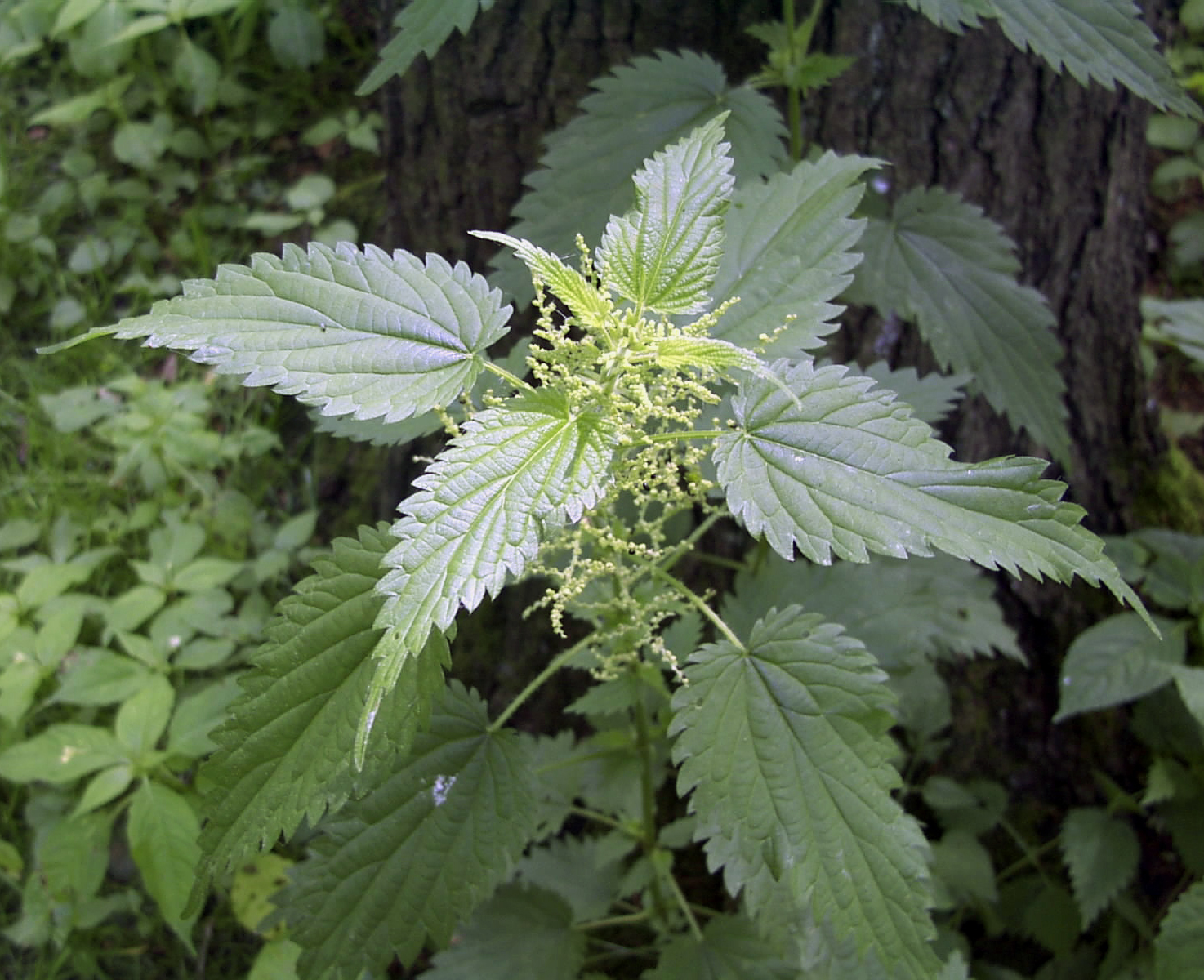
Foraging describes the harvest of non-cultivated “wild” goods, also known as non-timber forest products (NTFPs). Such goods may contain wild animals, fish and wild plants such as stinging nettles, wild garlic and wild mustard – the focus of this essay is on the latter. The practice, at least in people, is as old as the earliest ancestors of our species: foraging was the only means of obtaining resources during the Paleolithic and Mesolithic periods of human development, before the advent of agriculture (Svizzero, 2016). We are all the descendents of hunter-gatherers – societies across the world continue this ancient tradition today, and with growing environmental awareness in developed nations, so comes an increase in its popularity as a hobby across the Western world (de Jong & Varley, 2018).

Urtica dioica - Wikipedia
The humble stinging nettle (Urica dioica) is one of the most well-known and abundantly harvested non-cultivated plants. It can be used to make excellent soups and teas. Source: wikipedia.org

This increase in foraging is seen by many as evidence of the establishment of a more environmentally conscientious population, dissatisfied with the growth of hypermarkets and purchasing guilt over food miles, pesticides and agricultural chemicals (Dabady & Stark, 2017). Foraging offers the opportunity to find food, commune with nature (particularly vital in urban settings), supplement nutrition and develop groups with fellow foragers to share findings, research and harvesting techniques (Dabady & Stark, 2017; Svizzero, 2016). And with all industries, it also has some economic benefit: One study into food tourism found that “foraging with a specialist” is now the 4th most requested form of food tourism, nipping at the heels of cooking classes, visiting a farm and trying street food (de Jong & Varley, 2018). 

Foraging in this sense has moved away from being traditionally associated with low socio-economic class (de Jong & Varley, 2018), and is now practiced by a diverse range of people: NTFPs are found everywhere, and so it seems are the people who harvest them (McLain et al., 2014). When enthusiasts are taught how to harvest plants sparingly – following the principles of taking little, and only of what you need – it allows the sharing of resources and encourages conservation philosophy. This philosophy, in contrast to the museumification of landscapes where humans do not interact with their surroundings, encourages enthusiasm for the outdoors, and with it the reminder that we are both responsible for and connected to the nature around us (McLain et al., 2014).  

In a foraging economy social embeddedness is ubiquitous, because sharing is the main feature of such economy” – Svizzero, 2016

Shifting perspectives around our “natural” spaces cultivates behavioural change. There are between 50-80,000 edible plant species in the world, only 30 of which being used to produce 95% of our food (Four Seasons Foraging, 2019). By promoting the value of NTFPs and their habitats, policy makers would be encouraged and driven by the growing community of foragers to invest in the protection of such spaces where they grow – including woodlands, parks and other ruderal land (Dabady & Stark, 2017). This is exactly what has happened in California, where policy makers have been advised to open access to lands for foraging, using the example of the very successful Beacon Food Forest in Seattle to demonstrate the success of a community-based edible landscape (Dabady & Stark, 2017).

When foraging is undertaken on a small-scale (that is, with everyone taking minimal), sustainability is possible. This will be harder in densely populated areas, if everyone were to don their gardening gloves and root around in the shrubs. It is also made harder where common sense is not practiced, resulting in the plundering and hoarding of harvested goods, which will require careful regulation if it is to be avoided (McLain et al., 2014). But some initiatives are working to support sustainable foragers: in North America, the Institute for Sustainable Foraging offers a certification for foragers which comply with sustainable harvesting techniques for wild leeks (Sustainablyforaged.org). Although such certification is only available for one species so far, the expansion of foraging on the whole will likely bring about more of such initiatives, to ensure the protection of our shared commons.

Of course, if excessive extraction is persistent in our natural environment, it could lead to rapid depletion of shared resources or even the extinction of certain plant groups (Svizzero, 2016). But that isn’t to say that foraging should be discouraged: in fact, the combination of propagated knowledge and ample resources in otherwise derelict land encourages the exploratory nature of human beings, and with strong regulations in place could encourage a greater connection to wildlife (de Jong & Varley, 2018). The practice itself also encourages growth: through the spreading of berries and seeds and the subsequent increase in edible plants (de Jong & Varley, 2018). Perhaps this is an overly-optimistic assessment, but in my mind encouraging people to get outside, wherever they are, is always a good thing.

At heart [foraging] is the most radically egalitarian of activities – a good awareness of things and a childlike sense of wonder being the main requirements”. – Interviewee from the study conducted by de Jong & Varley (2018)

References

Dabady, S., & Stark, P.B. (2017) Urban Foraging in Municipal Parks and Public Schools: Opportunities for Policymakers. [online] Available at: https://forage.berkeley.edu/wp-content/uploads/2017/08/UrbanForagingPolicyBrief-2017-08-29.pdf (Accessed: 24/04/2020)

de Jong, A. & Varley, P. (2018) Foraging tourism: Critical moments in sustainable consumption. Journal of Sustainable Tourism26(4), pp.685-701

Four Seasons Foraging (2019) Is Foraging Sustainable? [online] Available at: https://www.fourseasonforaging.com/blog/2019/1/17/is-foraging-sustainable (Accessed: 24/04/2020)

Institute for Sustainable Foraging (n.d.) Available at: http://sustainablyforaged.org/ (Accessed: 24/04/2020)

McLain, R.J., Hurley, P.T., Emery, M.R. & Poe, M.R. (2014) Gathering “wild” food in the city: rethinking the role of foraging in urban ecosystem planning and management. Local Environment19(2), pp.220-240

Svizzero, S. (2016) Foraging wild resources and sustainable economic development. [pdf] Available at: https://www.semanticscholar.org/paper/Foraging-Wild-Resources-and-Sustainable-Economic-Svizzero/1144dac7f131eb328a355998ad25b5371af52a10 (Accessed: 24/04/2020)

Smart Shorts II: Combating fast fashion

Good afternoon! Today I am bringing to you another “smart short” – this one is covering the sorts of things you can get involved in to combat fast fashion. I hope you like it!

A person’s wardrobe is for many the basis of their creativity (Bang, 2019). The fast fashion industry has exacerbated this belief, encouraging two coexisting but paradoxical motivations in consumers: the need to stand out with your appearance, and the need to fit in with it. As a result, people are buying more clothing than ever to both keep up with the current trends, but also express their own style and individuality.

Globalisation has allowed clothing to be produced at lower prices, making fashion accessible to more people, but lowering the value attributed to each garment – consumers justify their mass-buying on its inexpensiveness, but do not hesitate to dispose of that which is no longer fashionable (Claudio, 2007). This represents an increase in the belief of apparent obsolescence in clothing, as when once items were repaired, repurposed or tailored to fit another person, perfectly wearable clothes are now being thrown away (Claudio, 2007).  But in recent years, a rise in voluntary simplicity, minimalism and other so-called “anti-fashion” movements have arisen, leading to shifts in consumer consciousness towards more sustainable purchasing (Bang, 2019).

“Fast fashion is low cost clothing collections based on the latest fashion trends and its fast response system encourages disposability” – Bang (2019)

In much the same way as “slow food” (which focuses on sourcing locally grown and seasonal produce) emerged as a result of “fast food” in Western Europe, “slow fashion” has developed from the spread of “fast fashion” (Pookulangara & Shephard, 2013). Consumers are becoming more aware that over-consumption becomes an addiction and are instead becoming more attentive to the impact which the rapid production of garments is having on workers, ecosystems and wider society (Pookalungara & Shephard, 2013). This in turn alters consumer patterns, encouraging reuse and repurposing, but also voluntary simplicity or shifting priorities towards product longevity rather than style.

“Slow fashion does not refer to time as the name suggests, but rather to a philosophy of attentiveness, which is mindful of its stakeholders’ respective needs” –  Pookalungara & Shephard (2013)

One example of slow fashion in practice is the development of a “capsule wardrobe”. This encourages consumers to have fewer clothing items in their possession, and to invest in more durable, timeless pieces of higher quality (Bang, 2019). At present, the average American woman owns 103 items in her closet, believing themselves to wear around 61% of it (Bang, 2019). Reducing the number of items you wear to below 50 is therefore a huge challenge for many, but can be beneficial both for the participant and for the wider environment. In their study into the motivations and experiences of having capsule wardrobes, Bang (2019) reported findings from seven participants who wore 33 items for 2 months (an adaptation of Project 333, which is the most well-known minimalist project to reduce wardrobe size). They found that participants focused more on the quality and versatility of their items, rather than their fashion, and that in many cases restricting the number of clothes you own increases your creativity with them (Bang, 2019).  A more extreme example of this is the Uniform Project. Participants wear a single black dress for a full month (or even year), styling it in different ways each day, to raise money for the Akanshka Foundation, a charity which helps send children to school across India (http://matheiken.com/uniform-project).

Founder of the Uniform Project, Sheena Matheiken, styles a black dress in a number of ways, raising money for the Akanshka Foundation. Source: http://matheiken.com/uniform-project

Of course, creating a capsule wardrobe is not going to be a solution to the Western world’s addiction to fast fashion, but it could give valuable perspective when considering future purchases, and their life cycle impacts.  And it is this which is so badly needed at present, to minimise our resource use as a global society and ensure a closed-loop economy, where nothing goes to waste. So why not try it out?

Useful resources:

Project 333: “Wear just 33 items for 3 months and get back all the joy you were missing while worrying about what to wear”

Uniform Project: “For the next 365 days, I reinvented my little black dress solely using accessories that were either vintage, handmade, reused or donated. By the end of the year long challenge, the U.P site received over 2 million hits, gaining over 10,000 social media followers and raising over $100,000 in donations for the Akanksha Foundation.”

References

Bang, H. (2019) Personal Experiences of a Capsule Wardrobe (Doctoral dissertation, University of Minnesota) Available at: https://search.proquest.com/docview/2292081923?pq-origsite=gscholar (Accessed: 15/04/2020)

Pookulangara, S. & Shephard, A. (2013) Slow fashion movement: Understanding consumer perceptions—An exploratory study. Journal of retailing and consumer services20(2), pp. 200-206

Claudio, L. (2007) Waste couture: Environmental impact of the clothing industry. [online] Available at: https://ehp.niehs.nih.gov/doi/full/10.1289/ehp.115-a449 (Accessed: 15/04/2020)

Smart Shorts I: Freeganism and dumpster diving

Hello and welcome to my first “smart short” – I intend on writing more concise overviews of topics which might go alongside some of the lengthier stuff I address in other posts. In this case, I am planning a couple of “shorts” which go alongside the current series on sustainable consumerism. Let me know if you enjoy this format!

Smart Shorts 1: Freeganism

Have you ever heard of “freeganism”? I hadn’t either, but hopefully by the end of this you’ll have a bit more of a clue.

Freeganism is defined as an “alternative strategy for living based on limited participation in the conventional economy and minimal consumption of resources” (Nguyen et al., 2014). It is often characterised by the practice of dumpster diving (US) or skipping (UK), though can also include foraging for wild foods, growing your own, DIY practices, upcycling and minimalism (Shantz, 2005). Skipping will be the focus of this small short today, but you can read more about minimalism or veganism on other blog posts.

Through skipping, freegans aim to provide clothing, goods and particularly food to those who most need them (Shantz, 2005): for example, Food not Bombs is a global freegan movement where members use discarded food to prepare and distribute vegan/vegetarian meals to those in need (Shantz, 2005).

“Freegans are the alternative and anarchistic environmentalists who are fed up with participation in the conventional economy and decided instead to try to mitigate the harm to the earth by reducing their personal waste” – Wilczak (2020)

As with the sharing economy, freeganism promotes a society based on giving rather than selling: this is sometimes referred to as a “gift economy”. It also serves to reduce personal expenditure, waste and over-consumption – in a survey of freegans in Poland, these represented the most significant reasons for being part of an otherwise highly stigmatised movement (Wilczak, 2020).

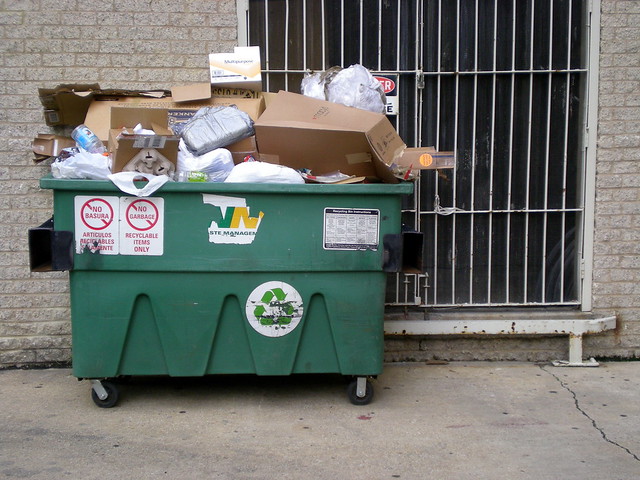
Suburban Squalor: Loading Dock Dumpster | Flickr - Photo ...
What do you see… A pile of rubbish fit only for landfill? Or a chest of treasure waiting to be explored? Source: Kevin Harber

Scavenging and salvaging other people’s rubbish is not something which most of society appreciates or allows: anti-consumption behaviour goes against capitalist ideals which have been brainwashing consumers for decades, and depicts alternative activities such as skipping as non-normative and radical (Nguyen et al., 2014). As such, freegans are often threatened, intimidated and injured by those who see skipping as theft, rather than an environmentally-conscious consumption pattern (Wilczak, 2020). But in spite of this, the freeganism movement continues to grow: you only have to search Youtube for “dumpster diving” to see how popular the practice is, particularly across the US.

So, what can be found in dumpsters? Of course, this depends where you are looking: supermarkets, bakeries and restaurants often dispose of perfectly edible fruits and vegetables which are not “desirable” enough for the consumer – 91% of freegans in the aforementioned survey reported finding these most frequently (Wilczak, 2020). Searching in dumpsters at universities at the end of term might instead provide you with furniture, excess clothing and stationery (you can see this in action, here (https://www.youtube.com/watch?v=P6oXBu9xShg). It is not only tangible items which freegans can obtain from skipping: the sense of empowerment, satisfaction and ecological awareness has also been a huge takeaway for many freegans (Wilczak, 2020). Plus, it isn’t doing much harm to their bank accounts either.

“[Dumpster diving] is often about a political impulse to liberate the excesses of the rich for the poor. It is part of a larger ideology of radical nonconsumption” – Shantz, 2005

Because skipping is predominantly based on the desire to be more environmentally conscious, through reducing waste, recycling, upselling and distributing goods to those that most need it, you can see why it might be sustainable in some settings. In fact, the principles of freeganism include the minimisation and recovery of waste, ecological transport and self-sufficiency (Wilczak, 2020). However, the law around skipping is a bit dubious: although there are no regulations that prohibit it directly, the police still have the right to detain you and accuse you of littering or public disturbance (Wilczak, 2020). For this reason, you should always check the law in your area, if you are tempted to go skipping.

I hope that this smart short has given you some insight into what freeganism is. Do you work somewhere which allows skipping? Would you do it yourself?

References

Shantz, J. (2005) One person’s garbage… Another person’s treasure: Dumpster diving, freeganism, and anarchy. Verb 3(1)

Wilczak, M. (2020) Freeganism – Anti-consumption lifestyle, or a fad?  In The Book of Articles National Scientific Conference “Knowledge–Key to Success” IV edition (p. 153).

Nguyen, H.P., Chen, S. & Mukherjee, S. (2014) Reverse stigma in the Freegan community. Journal of Business Research67(9), pp. 1877-1884

Sustainable Consumerism II: Minimalism

Hello again lovely people! This blog post is the second of a series on sustainable consumerism, focusing mainly on the environmental benefits and limitations of different purchasing patterns. Today I will introduce minimalism as a concept, why people do it, and what these environmental impacts might be. This topic is very broad and covers a variety of aspects including waste reduction, fast fashion, the sharing economy and diet – so future posts will cover these aspects in more detail. I hope you enjoy and learn something new!

What is minimalism?

Voluntary minimalism is typically seen as a means to minimise possessions, to reduce life’s distractions and allow more time to be dedicated to personal growth. Some see minimalist behaviour as a “spring clean”, with all the emphasis being placed on the number of things you own. Others see it as a lifestyle, with a philosophy of living with less followed as part of an anti-consumption approach (Dopierała, 2017), or as a way to simplify your entire life, not just your belongings. For many, minimalism is not a choice, but a cost-saving necessity: having the freedom to choose what you are consuming is a privilege predominantly associated with wealthiest in global society. As such, this essay will focus on the recent trend of voluntary minimalism observed across the Western world. In this case, minimalism is about reshuffling your priorities, particularly around the consumption of material goods.

“Voluntary simplicity is ultimately based on the premise of having less (material objects) but having more (in non-material terms)” – Martin-Woodhead, 2017

Voluntary minimalism has gained huge popularity over the last 20 years, alongside a growing interest in conscientious living, evident through the expansion of veganism, the growth of the tiny house movement and the sharing economy. In fact, minimalism links to the sharing economy quite nicely: the focus of both, instead of being the possession of material goods, is on establishing networks to increase access to such goods (read more here: https://searchfor.science.blog/2020/03/30/sustainable-consumerism-i-the-sharing-economy/) (Dopierała, 2017). So, what’s all the fuss about?

Why do people practice voluntary minimalism?

Several studies consider the motivations behind minimalist behaviour. From these studies, three main groups of reason are outlined: a dissatisfaction with the capitalist system, the need to re-balance personal priorities, and for the benefit of the environment and wider society. These will be discussed in the following section.

  1. Against overconsumption

Despite advertisements and large companies promising happiness, fulfilment and joy through the acquisition of their newest, fastest, biggest thing, many people are starting to realise that, actually, the stuff you own does not equate to the happiness you feel (Lee & Ahn, 2016). Instead, there is a spread of dissatisfaction with the current system: the possession of items (of which the average American household owns 300,000) causes fatigue, nervous tension and a growing addiction to the instant gratification which a spur-of-the-moment purchase can provide (Ledder, 2019; Błoński & Witek, 2019).  These factors, as well as the disappointment of an item not living up to its expectations, combine to lead to low consumer well-being, especially in more materialistic individuals (Lee & Ahn, 2016).

modern-courtyard-design-minimalist-house | highfithome ...
When you think of minimalism, you probably think of something like this, right? The minimalist aesthetic is different to minimalist behaviour but is often associated with reducing sensory input as much as possible. Source: highfithome

A frequent element of minimalist behaviour is also associated with the fight against overproduction, and rejection of overconsumption being the driving force of the capitalist economy (Błoński & Witek, 2019). As a result, minimalists might intentionally consume less, to detach themselves from the vicious cycle of constant (often uncontrollable) buying, or instead change their thoughts around what they buy. For example, a minimalist will likely prefer a high quality, durable item with a long lifespan over its trendiness or price (Ledder, 2019; Dopierała, 2017) Again, having this choice is a luxury, which is the main reason why minimalism is associated with the wealthy.

“minimalism is not a full retreat from consumerism or an anti-consumption behaviour, but rather a form of a conscious choice, which helps the individual to achieve balance and better quality in the everyday life” – Dopierała, R., 2017

2. Re-prioritising time and money

Reducing physical possessions is believed to be the first step to reshuffling your time and priorities, often with the aim of focusing on intrinsic values such as personal growth rather than extrinsic values, such as financial success or status (Lee & Ahn, 2016). Today, people use their possessions to define themselves, rather than their own personal attributes, skills or personality traits (Błoński & Witek, 2019), which gives items an unnecessary hold on your life. To combat this, focusing on only what you need, rather than whims and impulse buys is believed to reduce distractions, allowing you to spend more time doing the things really add value to your life (Dopierała, 2017).

“in today’s world, it is consumption that takes over the functions of the basic instrument for creating and expressing human personality” – Błoński, K. and Witek, J., 2019

3. The Environmental impacts

The third reason why many adopt minimalist lifestyles is to reduce their environmental impact. There is a definite lack of scientific research on this topic, however, a lot of impacts can be estimated. Let’s take the example of clothing. We are buying 400% more clothes than we did 20 years ago, with 2 billion pairs of jeans being produced each year (Karunungan, 2017). This has a huge impact: a single pair of jeans requires 7,000 litres of water to produce (Karunungan, 2017), and 85% of man-made materials on shorelines are microfibres from clothing (Karunungan, 2017). As well as this, minimalism might be said to reduce waste. Waste is often seen through a reactionary lens – what can I do with all the stuff I own which I no longer want or need? Minimalism, through encouraging decision-making which factors in the lifecycle, durability and built-in obsolescence of a product, can reduce waste by preventing the problem before it has begun (Ledder, 2019). Environmental scientists increasingly promote de-growth and sustainable consumption in industrialised societies as a solution to a variety of environmental problems (Meissner, 2019), which highlights voluntary minimalism as an obvious route to reduce consumption and production.

The Vetta Capsule Wardrobe. Many people take to owning a certain amount of clothing to save time, money and decision making. Source: https://www.buzzfeed.com/augustafalletta/capsule-wardrobe

Limitations

So, when minimalism seems to offer so much, what could possibly be wrong with it? Again, there isn’t much science behind this, so I have taken to browsing google for a response. One thing which stood out to me was that often, minimalism is seen as extreme – characterised by a strict set of rules and regulations to follow, as well as a hugely competitive drive to own as little as possible. This is very restrictive and does not represent minimalism as a concept. Just because someone is doing their interpretation of it, does not make their interpretation the only interpretation – a single male minimalist will own different things to a minimalist family of 5, for example (Fields-Milburn & Nicodemus). As well as this, minimalism, at least in the early stages, still seems to focus on the possessions you own. How is that any different to being a materialist? It is almost as easy to get swept up in new ways of doing things and do it for the wrong reasons, than it is to get stuck in your own ways. For example, what is the point of replacing your TV with a Netflix subscription, when the whole purpose of removing the tv was to remove the distractions? There is also a nice post by bemorewithless.com, which highlights all the practical reasons why getting rid of stuff can be short-sighted (read here: https://bemorewithless.com/the-downside-of-minimalism/).

Conclusion

Voluntary minimalism is pursued by many to declutter your life and mind, and to make room for intrinsic values which mean something to you. The main motivations for doing this are centred around a dissatisfaction with the current system, a willingness to be a more conscientious consumer to reduce environmental impacts, or to simplify your own life. Although there is a lack of scientific research on the topic, I can’t really think of a strong reason why consuming less is worse for the environment than overconsumption – but it is not for everyone. To end, the Minimalists summarise the movement much better than I could:

Minimalism is a lifestyle that helps people question what things add value to their lives. By clearing the clutter from life’s path, we can all make room for the most important aspects of life: health, relationships, passion, growth, and contribution.” Joshua Fields Milburn & Ryan Nicodemus (The Minimalists), from their blog post “Minimalism: An Elevator Pitch”.

Thank you for reading!

References

Błoński, K. & Witek, J. (2019) Minimalism in consumption. Annales Universitatis Mariae Curie-Skłodowska, sectio H–Oeconomia53(2), pp.7-15

Dopierała, R. (2017) Minimalism–a new mode of consumption?. Przegląd Socjologiczny66(4), pp.67-83.

Fields-Milburn, J., Nicodemus, R. (n.d.) Minimalism: An elevator pitch. [online] Available at: https://www.theminimalists.com/pitch/ (Accessed: 06/04/2020)

Karunungan, R.J. (2017) Minimalism trend: will it save the planet? [online] Available at: http://climatetracker.org/minimalism-trend-will-it-save-the-planet/ (Accessed: 06/04/2020)

Ledder, L. (2019) Minimalism. [pdf] Available at: https://mosaic.messiah.edu/cgi/viewcontent.cgi?article=1209&context=honors (Accessed: 06/04/2020)

Lee, M.S. & Ahn, C.S.Y. (2016) Anti‐consumption, materialism, and consumer well‐being. Journal of Consumer Affairs50(1), pp.18-47

Martin-Woodhead, A. (2017) Minimalism as sustainable fashion. The circular economy: transitioning to sustainability?

Meissner, M. (2019) Against accumulation: lifestyle minimalism, de-growth and the present post-ecological condition. Journal of Cultural Economy12(3), pp.185-200

Sustainable Consumerism I: the Sharing Economy

Hi folks! I’m taking a new direction again today and focusing on sustainable consumerism, starting with the idea of the sharing economy, what it is, how it works and why it might be considered sustainable. This article is the first of a couple (plus some short ones) on the topic – feel free to comment and enjoy!

What is the sharing economy?

The sharing economy characterises consumption patterns centred around sharing with and borrowing from others. Over the last 10 years, its popularity has rocketed, particularly across America and the Western world (Frenken, 2017). This is not to say that sharing only occurs in certain parts of the world: sharing is part of human nature, and has been around since the dawn of our species. But the sharing economy puts a modern, Internet-based and somewhat money-oriented (depending on how you do it) spin on the activity. Defined as “an economic system based on sharing underused assets or services for free or for a fee, directly from individuals” (Botsman, 2015), the sharing economy depends on the offering of under-utilised goods and services, which have “excess capacity” as they are not used all the time, to others (Frenken, 2017). Examples of this include homesharing (e.g. Airbnb), renting of tool, equipment and clothes (e.g. Neighborgoods) or carsharing (e.g. Blablacar in Europe).

“The sharing economy occurs at the exact intersection of three trends: consumer to consumer interaction, access rather than ownership and the better use of under-utilised physical assets” – Frenken, 2017

It generally has a very positive reputation in terms of sustainability, as it theoretically reduces the need to purchase new goods or construct new facilities (Frenken & Schor, 2019): for example, staying in existing homes reduces the need to construct new hotels, in the same way that toolsharing reduces new purchases of tools (Schor, 2016). But what motivates people to share their possessions (and even homes) with strangers? And are there any hidden limitations to this new way of interacting with others? This post will address these questions using recent research on the topic.

Oct 26 STEM Café to explore roots and implications of the ...
This picture comes up when you do a google image search for “sharing economy”. I think it summarises nicely the main point of sharing: equal distribution of an asset to different individuals in a fair manner. Source: http://www.niutoday.info

Why be part of the sharing economy?

The sharing economy is supported for a number of reasons. A study by Hamari et al. (2016) looked at the motives behind participating in online-based collaborative consumption (CC) (a large sub-division of the sharing economy) by looking at survey responses from a sample of 168 people who used the sharing service “Sharetribe”. They found that participation in collaborative consumption is anticipated as being highly ecologically sustainable, but that a combination of intrinsic and extrinsic values and beliefs determine participation. These intrinsic motivations, such as the desire to “do good” and enjoyment of the activity, greatly affect motivation to be part of the sharing economy, but extrinsic factors such as the economic benefits of participating are a stronger determinant of actual participation (Hamari et al., 2016).

 “Perceived sustainability is an important factor in the formation of positive attitudes towards CC, but economic benefits are a stronger motivator for intentions to participate in CC.” – Hamari et al. 2016

Generally, motivations for being part of the sharing economy derive from intrinsic values and extrinsic benefits: though many people take part because of the social connection they derive from interacting with new people. This is emphasised with the advent of Internet platforms, which has allowed the spread of “stranger sharing”: sharing your details with another person online allows the building of trust between participants of an exchange, making the group of people you are willing to share with, which traditionally would be limited to friends and family, much larger (Frenken, 2017).

“Participation on collaborative consumption communities and services is generally characterised as driven by obligation to do good for other people and the environment” – Hamari et al. 2016

What are the environmental impacts associated with the sharing economy?

When the sharing economy operates within communities on a peer-to-peer level, it can be an excellent way to improve community spirit. For example, the sharing economy has encouraged a revival of non-monetised transactions such as tool libraries, which enhances community trust and cohesion (Schor, 2016). However, the perceived environmental benefits remain arguably the most celebrated aspect of the sharing economy. In theory, sharing permits consumers to avoid the purchasing of new goods and services: this may not sound like much, but when considering the full life cycle of a product such as the making of its component parts, its usage, waste production and disposal, it could be quite significant. The total number of goods could be significantly reduced, with no impact on consumer welfare, as access is not affected (Frenken, 2017). As well as this, sharing provides a more resilient way of getting goods and services to people in times of rare peaks in demand, which may occur because of large events such as The Olympic Games, or with natural disasters (Frenken, 2017). Sharing goods and services would allow people access to important supplies even when there are few available.

“If fewer goods are needed, societies can achieve a reduction in energy use and greenhouse gas (GHG) emissions associated with the production and demolition of goods.” – Frenken, 2017

Carsharing on the other hand is a mixed bag when it comes to environmental impacts. The European ridesharing platform Blablacar claimed that because its service increased the average number of passengers per car (from 1.7 per vehicle to 2.8 per vehicle), it saved 1,000,000 tons of CO2 between 2013-2015 (Frenken, 2017). However, the company did not release the methodology used to calculate this figure, nor has it since been recalculated by a non-biased source. In addition, the expansion of access to cars, and the more frequent use of cars standing idle (as is the main point of the sharing economy) means that carsharing on a large scale might instead increase emissions (Schor, 2016). It is also important to consider the “ripple effects” of the sharing economy: that is, what would a homesharer do with the money they have earned through sharing their home? They may spend their money on travelling abroad (thus releasing large amounts of greenhouse gas emissions) or buying high-impact products such as new cars (Schor, 2016). These effects are not limited to the sharing economy only but are something to consider even though almost impossible to quantify.

Some of the most popular and well-known brands associated with the sharing economy and its subgroups, including peer-to-peer and business-to-peer platforms.

Limitations of the sharing economy

Aside from a lack of data on the environmental repercussions of the growth of the sharing economy, several limitations to the process still remain.  Firstly, there is an inherent risk in sharing your details with a stranger online, even for the purpose of generating trust between participants of the transaction. Giving your details to another person also permits rejection on account of the profile you provide for yourself, which can isolate some people and is a key disadvantage to the system (Richardson, 2015). For example, racial discrimination has been recorded on the homesharing platform Airbnb, where non-black hosts were able to charge an average 12% more for their property compared to black hosts with comparable properties (Schor, 2016).

“Whilst offering an antidote to the narrative of economy as engendering isolation and separation, the sharing economy simultaneously masks new forms of inequality and polarisations of ownership.” – Richardson, 2015

Another obvious disadvantage to an economy based on internet services is inequality in access to Wi-fi and the technology required to take part. The ongoing digital divide around the world means that at present, the sharing economy is limited to westernised countries and individuals with access to the infrastructure required to take part (Richardson, 2015). This is not to say that sharing goods informally does not happen everywhere, as it absolutely does, but more that the use of online platforms and websites such as Airbnb, Justpark and Skillshare is limited (Frenken & Schor, 2019). Concerns have also been raised about monetising the idle capacity of goods and services: where lending and borrowing things from friends and family was free in the past, some people may feel more obliged to either charge members of their immediate network for the same products and services (!) or instead lend to strangers who they know they generate money from. This may sound ridiculous, but research by Frenken and Schor (2019) reported homesharers reluctant to have family stay, because of the financial loss they would incur through not having strangers pay to stay instead!

A final limitation to note is the potential for monopolising of online sharing platforms, as has occurred with search engines and social media sites (Frenken & Schor, 2019). This would allow prices to be dictated by a few large companies, and remove peer-to-peer community cohesion from the equation, replacing it with the more capitalistic aim of maximising profit. However, it is difficult to say whether this will happen in the future, particularly because community-based projects are community-specific, with the critical mass required to set up a successful initiative much lower, generating scope for a range of initiatives (Frenken & Schor, 2019).

Conclusion

The sharing economy is a relatively new form of interacting with people to access goods and services. Done on a local level, with the priority being the provision of product or service access to people, the sharing economy can be sustainable. At its core, it is driven by the desire to do good for others, and the innate belief that sharing with others improves their wellbeing as well as your own. However, when the generation of profit becomes the main motivation for sharing it is difficult to control the environmental consequences and ensure equal access to everyone across society. As a result, and with almost everything, the sustainability of your actions in terms of environment and society depends greatly on the actions themselves, and on the scale of the actions. The sharing economy could be a successful way of encouraging community action and social interaction with new people, if it is based on its initial motivations: providing access to other people and improving welfare.

References

Botsman, R. (2015) Defining the sharing economy: what is collaborative consumption – and what isn’t? [online] Available at: https://www.fastcompany.com/3046119/defining-the-sharing-economy-what-is-collaborative-consumption-and-what-isnt (Accessed: 30/03/2020)

Frenken, K. (2017) Political economies and environmental futures for the sharing economy. Philosophical Transactions of the Royal Society A: Mathematical, Physical and Engineering Sciences, 375(2095), p.20160367.

Frenken, K. & Schor, J. (2019) Putting the sharing economy into perspective. In A Research Agenda for Sustainable Consumption Governance. Edward Elgar Publishing.

Hamari, J., Sjöklint, M. & Ukkonen, A. (2016) The sharing economy: Why people participate in collaborative consumption. Journal of the association for information science and technology, 67(9), pp.2047-2059.

Richardson, L. (2015) Performing the sharing economy. Geoforum, 67, pp.121-129.

Schor, J. (2016) Debating the sharing economy. Journal of Self-Governance and Management Economics, 4(3), pp.7-22

Positive news amid a pandemic

Today’s post is a little different. Through the bombardment of news updates, rules, regulations and scaremongering around the current Covid-19 pandemic, it is easy to feel overwhelmed and hopeless. As such, this article will look at some of the positive aspects of the global situation: firstly in terms of the potential environmental benefits, then in terms of good news. At the end I shall compile a list of nice stories I have found which may or may not link to coronavirus but will hopefully make you feel a bit less rubbish for a while!

Introduction

Emerging infectious diseases cause large-scale disruption of trade and travel networks, as well as civil unrest. Alongside this, they cause extensive economic damage: the SARS outbreak in 2003 and the West African Ebola outbreak in 2013-2016 each costed more than US$10 million in economic damage (Di Marco et al., 2020). However, restrictions on international travel, quarantining and the subsequent drops in tourism and general outside urban population can also provide important lessons for us as a global community, and give rise to potential environmental and social improvement. The “Covid-19 effect” describes the effects of the coronavirus outbreak on human behaviour and subsequent climate change: for example, the sudden mass changes in the operations of companies, with the promotion of working from home and self-isolation, has led to a huge reduction in congestion and traffic, improving air quality (Bryson, 2020). The effects in terms of climate change have not yet been studied in detail or presented in academic literature, probably because it is such a new pandemic and changes are occurring so rapidly. But thankfully (?) , news outlets around the world continue to pump out the good, bad and ugly stories of the disease outbreak for us all to read. So without further ado, let’s look at some of the good bits.

Improving air quality

The most tangible and measurable immediate impact of widespread self-isolation is the improvement to air quality observed across many locations, but particularly across China (and the Wuhan province especially) and Italy.  Below is a map of the ambient air NO2 concentrations across Wuhan Province from January (before the quarantine) to February (during the quarantine) this year, as recorded by the Tropospheric Monitoring Instrument on the European Space Station’s Sentinel-5 satellite (NASA Earth Observatory, 2020). These results are compared with those from the same period in 2019. The huge reduction in the concentration of the air pollutant is not only as a result of quarantining and decreasing travel and industry, but also because it coincides with the Chinese Lunar New Year celebrations, a time at which businesses are generally closed anyway.

Measurements of Nitrous Oxides across Wuhan, during January-February of this year compared to 2019. Darker colours indicate increased concentration. Source: NASA Earth Observatory.

This reduction in NO2 has huge implications, considering that it is a pulmonary irritant, which can exacerbate existing respiratory conditions such as asthma and bronchitis. It also contributes significantly to smog, which can cause irritation of the eyes, chest and lungs (Healthline, 2016). According to China’s Ministry of Ecology and Environment, the Hubei province (in which the city of Wuhan sits) experienced 21.5% more “good quality air days” this month compared to last year. This is a massive improvement, and one which will be felt by a huge number of people.

When the industrial activities, economic activities stop, it’s expected that you get a reduction in pollution and emissions of gases. It’s just that when you see the images, it’s quite striking. The amount of reduction is quite amazing, and the fact that it happens quite quickly” – Alberto Troccoli, managing director of World Energy and Meteorology Council at the University of East Anglia.

Ban on wildlife trade

It is currently believed that the novel coronavirus originated in  Wuhan in China, a zoonotic (transfers between people and animals) disease which likely arose because of the interactions between people and wild animals there. This is not uncommon: about 70% of emergent infectious diseases originate in animals, occurring as a result of complex interactions among wild and domestic animals and people (Di Marco et al., 2020).  In Wuhan, the high number of “wet markets”, which sell fresh produce and meat including live wolf pups, scorpions, turtles and foxes, has been blamed for accelerating the cross-species transmission of pathogens (Vidal, 2020).  In response to this, and in an attempt to curb the spread of the disease, China declared an immediate and comprehensive (but temporary) ban on the trade of wild animals on February 24th (Channel News Asia, 2020). This is a huge win for the protection of rare and trafficked species, and, if it is sustained over a long period of time (unlike the temporary ban which occurred after the SARS outbreak of 2003), could lead to the recovery of species such as the pangolin, which is the most heavily traded species in the world (Cochrane, 2020).

A pangolin, one of the most traded animals in the world. These are traded and hunted for their scales, which are used in traditional Chinese medicine and their meat, which is eaten as a delicacy in some areas. Source: news.janegoodall.org

Social good news

Above are just two of the positive environmental effects of our current situation. But it is easy to imagine more, like the reduction in global greenhouse gas emissions or increased water clarity as a result of halted industrial processes. These won’t be covered as much in this post, as there is currently a paucity of evidence for these effects whilst we are all cooped up in self-isolation. But the evidence of social impacts is certainly not lacking. There are a lot of stories of people scrabbling about for toilet rolls, hand sanitiser and pasta. But there are also a range of lessons we can learn from the massive social changes we have experienced, and many positive things people around the world are doing to help each other. Here’s a brief list of some, and where you can read about them:

  • The response of Chinese leaders has shown the effectiveness of governance capability, as well as showing the weaker points in our local and global governance, which can be acted on in the future to ensure that should similar events occur, we are prepared. (Almendras, 2020)
  • Reduction in pollution through travelling and flights, leading to improved cleanliness and safety of air, and reduced greenhouse gas emissions.
  • People are being reminded of the importance of nature, in terms of disease prevention (Vidal, 2020), mental health benefits and the provision of natural resources.
  • The waters around Venice are running clear again, bringing back “lagoon waters of ancient times… when it was still possible to bathe in the waters of the canals” (Wray, 2020).
  • In New York, over 1300 volunteers gathered in 72 hours to deliver groceries and essential medicines to elderly inhabitants. (BBC News, 2020)
  • In Italy, people are singing from their balconies together to boost morale. (BBC News, 2020, and all over Facebook)
  • In Spain, a fitness instructor led an exercise class from a roof in the middle of an apartment complex, with residents joining from their balconies.
  • People are recognising the workers which are holding society together: mass appreciation and applause has been recorded across the globe for those on the “front lines” of the epidemic – healthcare workers and grocery store employees.
  • Musicians from Coldplay singer Chris Martin, popstar P!nk, country singer Keith Urban and mandolinist Chris Thile are giving livestreamed performances across social networking sites such as Facebook and Instagram, to entertain and support fans.
  • In China, a number of DJs are livestreaming their sets, setting up a movement called “Cloud clubbing”, where people can tune in online to enjoy the music and interact with other listeners. (BBC News, 2020)
  • A trend of “caremongering” across Canada has started with the formation of groups across the country to support the most vulnerable members of society, by buying groceries and doing other tasks for one another in their times of need.  (BBC News, 2020)
  • People are finding the time to take up new hobbies or re-learn old ones: including arts and crafts, musical instruments, languages and online courses in a variety of subjects.

There is a lot of good news out there, even in times like these! The BBC has stated that tomorrow they will be bringing live coverage focusing on positive stories from 7:00 GMT, so have a browse on their website if you would like to (www.bbc.co.uk/news). Despite the uncertainty in what is going to happen on a social, economic and environmental level after this pandemic, don’t forget that we are all experiencing the same things together. And think outside the box when it comes to killing boredom. Stay safe!

References

BBC News (2020) Coronavirus: Creativity, kindness and canals offer hope amid outbreak. [online] Available at: https://www.bbc.co.uk/news/world-51963446 (Accessed: 22/03/2020)

Bryson (2020) The Covid-19 Effect: why coronavirus is eclipsing Thunberg on climate change. [online] Available at: https://www.birmingham.ac.uk/research/perspective/covid-19-climate-change.aspx (Accessed: 22/03/2020).

Channel News Asia (2020) China ‘comprehensively bans’ illegal wildlife trade after Covid-19 outbreak. [online] Available at: https://www.channelnewsasia.com/news/asia/coronavirus-covid19-china-ban-wildlife-trade-12464294 (Accessed: 22/03/2020)

Cochrane (2020) China to revise wildlife laws following Covid-19 outbreak. [online] Available at: https://globalinitiative.net/china-to-revise-wildlife-laws-following-covid-19-outbreak/ (Accessed: 22/03/2020)

Di Marco, M., Baker, M.L., Daszak, P., De Barro, P., Eskew, E.A., Godde, C.M., Harwood, T.D., Herrero, M., Hoskins, A.J., Johnson, E. & Karesh, W.B. (2020) Opinion: Sustainable development must account for pandemic risk. Proceedings of the National Academy of Sciences117(8), pp.3888-3892

Geropoulos, K. (2020) As world reels from Covid-19, planet recovers. [online] Available at: https://www.neweurope.eu/article/coronavirus-outbreak-leads-to-dramatic-air-quality-improvement/ (Accessed: 22/03/2020)

Healthline (2020) The dangers of smog: What you need to know about air pollution. [online] Available at: https://www.healthline.com/health/dangers-smog-what-you-need-know-about-air-pollution (Accessed: 22/03/2020)

NASA Earth Observatory (2020) Airborne Nitrogen Dioxide Plummets over Asia [online] Available at: https://www.earthobservatory.nasa.gov/images/146362/airborne-nitrogen-dioxide-plummets-over-china (Accessed: 22/03/2020)

Vidal (2020) Is our destruction of nature responsible for covid-19? [online] Available at: https://www.theguardian.com/environment/2020/mar/18/tip-of-the-iceberg-is-our-destruction-of-nature-responsible-for-covid-19-aoe (Accessed: 22/03/2020)

Wray (2020) Coronavirus lockdown eases pollution, Venice canal runs clear. [online] Available at: https://globalnews.ca/news/6683226/climate-change-coronavirus/ (Accessed: 22/03/2020)

Design a site like this with WordPress.com
Get started