Palm Oil II: Consumer Choice

Welcome to the second part of this two-part special collaboration on palm oil (Part I here!). Both of these posts are a collaboration with fellow science blogger Beth from Green Ambition, so if you enjoy what you read here check out her site!

In part one, we examined the reasons behind palm oil’s undeniable negative reputation, and it’s far-reaching environmental and social effects. Now, we address how consumer choice may or may not be an effective way of reducing these impacts of the industry.
Firstly, an important distinction must be made between the impacts of palm oil as a crop and the impacts of unsustainable farming methods. While palm oil is not inherently destructive, the intensive methods which are currently used for its cultivation are. Its effects include the deforestation of half of Borneo in just 20 years (Rosner, 2018), exploiting millions of underpaid workers (Balch, 2013) and pushing endemic species such as Sumatran Tigers and Rhinos to the brink of extinction for profit (Tan, 2009).

However, the alternatives to palm oil are not necessarily any better: switching to rapeseed oil would cause 5x the deforestation, exploitation and extinction for the same amount of oil. And if we switch to soya, this figure would increase by ten times (Balch, 2013). This essay aims at investigating what can be done by consumers and industries during both production and consumption of palm oil products.

Boycotting

One of the most popular ways of minimising the damage caused by palm oil farming is to completely boycott all products which contain it. This is no mean feat, considering that one in ten supermarket products contain it (Nianias, 2014). The theory goes that by boycotting palm oil, the demand for it is reduced, therefore its supply will reduce in turn, as there is no longer an established market to sell it. A series of interviews were conducted by The Guardian in 2015 to find out more about the reasons behind boycotting – the most popular being associated with minimising habitat destruction and deforestation, with a particular focus on the preservation of orangutan habitat. Others also cited the problems associated with heavily processed food in general, though these health concerns were outweighed greatly by the environmental ones (Balch, 2015).

In spite of its popularity, boycotting is fundamentally flawed. There are a number of reasons for this, which all centre on the idea that demand for palm oil is not affected solely by consumer choice. Boycotting palm oil encourages manufacturers to instead use alternative types of oil, which as mentioned above, are no better in terms of environmental impacts (The Green Vegan, 2018). These alternatives may also be derived from animal products, which is not only problematic for those who do not consume meat, but is a whole new ball game in terms of animal ethics and environmental impacts (see my post about the sustainability of veganism for more on that!).

Palm oil can also be effectively “hidden” in labels. There are 436 different names that can include palm oil as an ingredient, such as vague terms like ‘vegetable oils’ or ‘cocoa butter substitute’ (Hunt, 2019). EU legislation passed in 2014 attempted to rectify this, ruling that food items containing palm oil must be clearly labelled as such. However, this change still doesn’t ensure transparency as palm-oil derivatives and palm oil in non-food items can still go unexposed (Hunt, 2019). For example, palm oil is commonly used in the production of sodium lauryl sulphate (SLS). SLS is used as a foaming agent in the majority of soaps and shampoos available today (Robers, 2019).

“Finding a suitable palm-free SLS is challenging not only because there isn’t a large market but, when found, it often doesn’t work or the manufacturer doesn’t follow our non-animal testing policy,” – Mark Rumbell, Ethical Buyer for LUSH Cosmetics

A number of palm oil alternatives have been explored. But moving away from palm oil should not be ruled out altogether, thanks to scientific innovation. The development of new, algal-based oils may have the potential to be used in foods and in fuels. For example, Solazyme is a company in California, USA, which has developed an algal-based fuel which already used to power US Navy ships and aeroplanes (Kodas, 2014). Novel products like this may have the potential to reduce the demand for palm oil, but then again, they are not used as readily and are probably not as well-trusted by consumers.
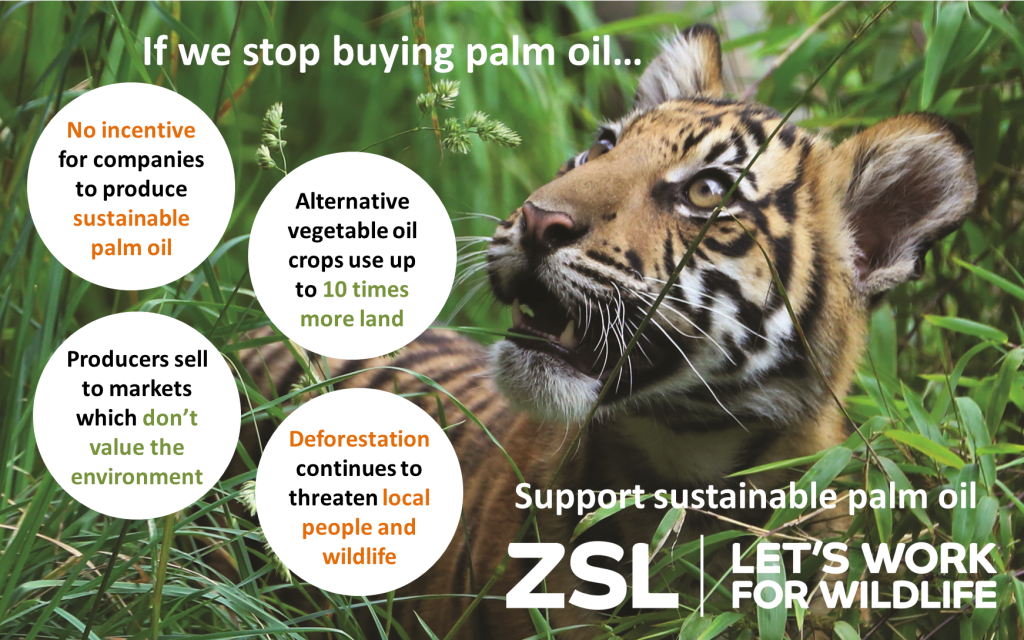
Advert posted by SPOTT, the Sustainability Policy Transparency Toolkit. Read more about what they have to say, here: https://www.spott.org/palm-oil-resource-archive/boycotts/.

Instead of boycotting, it has been suggested that the best way to reduce the impacts of palm oil is to tackle production and farming. Farming palm oil in a more holistic, sustainable way could have a powerful positive impact on everything from alleviating rural poverty in Malaysia (Basiron, 2004), to facilitating a switch from fossil fuels to biodiesels (Tan, 2009). In fact, research into sustainable palm oil production rose dramatically in the period between 2004 and 2013, showing the strong will of the scientific community to augment our understanding of palm oil production and meet its challenges (Hansen, 2015). One way of doing this is through the use of policy and certification.

Policy change and sustainable certification

Recently there has been a rapid increase in zero-deforestation commitments from big companies, which have allowed the customer greater trust that their product and its ingredients have been sourced sustainably. In fact, by 2017 there were 447 companies which made a total of 760 such commitments, to reduce the destruction of rainforests in Sumatra, Brazil and West Africa (Riley, 2017). As well as this, a study by Bateman et al. (2010) found that customers are more likely to spend money on a product which is linked to the conservation of a particular charismatic species. These so-called “green markets” work by allowing those living in wealthier nations to pay higher prices for goods produced in a more sustainable way, often for the benefit of flagship species (Bateman et al., 2010). In some cases, the use of images of animals, such as tigers, makes eco-labelling more effective at raising conservation funds, which could be applied to restoring habitats disturbed by palm oil production.

“Western consumers are willing to pay a significant premium for products using palm oil grown in a manner that reduces its impacts on such species” – Bateman et al., 2010

This method presents an interesting way to promote the sustainable growing and farming of palm oil for the protection of species and their habitats. However, a number of questions remain. For example, where will the money raised by the selling of “sustainable” products go, and who will ensure that it is used for the purpose for which it was promised? And at what point is a price premium too high, that it deters consumers rather than encourages them? These are important factors which need to be considered in order to make this technique as beneficial as possible.

Certification is a successful way of making a price premium work, and has been done already for fairtrade items (see Beth’s blog post about it here). It works by ensuring that goods are produced according to a set of sustainability criteria, which might include environmental and social objectives, awarding such products with certification. The Roundtable for Sustainable Palm Oil (RSPO) has created a its own certification system, whereby palm oil can be certified as sustainable according to a range of criteria.

Certification and the RSPO

The RSPO was set up in 2004, and comprises environmental charities and non-profits, as well as palm oil production companies. The purpose of this committee is to minimise the most severe damage caused by oil palm, including illegal deforestation, chemical pollution, water loss and poor working conditions by encouraging sustainable practice (Balch, 2013). Members and partners of the RSPO can have their products certified as sustainable, as long as they meet a long list of criteria, regarding workers wages, health and safety regulations and environmental mitigations. 

Roundtable on Sustainable Palm Oil (RSPO) | SPOTT

“RSPO certified oil palm growers are audited by an independent, accredited certification body that verifies that production processes adhere to the RSPO Principles and Criteria (P&C), a robust set of stringent social and environmental guidelines that they must follow.” – Fay Richards, Global Communications Manager for Europe and Africa at the RSPO

However, the RSPO notes that only 19% of global palm oil produced is certified sustainable, according to their criteria. And in most cases, certification increases the price of the oil, which deters manufacturers and push them towards the uncertified products. What’s worse, is that palm oil production is still, on the whole, plagued by poor working conditions; specifically, minimum wages and poor health and safety for workers (of which there are 3.7 million in Malaysia and Indonesia alone) (Balch, 2013). The RSPO itself is also criticised: Jamaludin et al. (2017) highlight generality in the RSPO guidelines and a disconnect between the best practice/industry standards and the assessment of current sustainability performance (Jamaludin et al, 2017). 

Some countries are concerned that not enough is being done to prevent the indirect land-use changes caused by palm oil plantations and this has led to a ban on palm oil biofuels in Norway (Chow, 2018). The EU is also planning to phase out palm oil biofuels, but not until 2030 (Gabbatiss, 2018). It is not clear what effect this will have on the biofuel industry or whether palm oil will be replaced with other biofuel sources or different energy solutions altogether. 

When asked about the phase-out, an RSPO representative stated:

“Phasing out palm oil in biofuels will mean this ingredient has to be replaced. It is important to consider the net consequence of replacing this ingredient, and if, for example, a move to an alternative oil will require more land and water, failing to reduce the carbon footprint.” – Fay Richards, Global Communications Manager for Europe and Africa at the RSPO

Summary 

It seems that there are many ways to help diminish the impacts of palm oil production. These include boycotting, which might not be the best technique but is still widely supported, using alternative oils, policy change, certification and linking price premiums to conservation objectives. What will happen to palm oil in the future? Will we phase it out entirely, or find new ways to promote its sustainable farming for the good of both the environment and those most closely linked to the industry?  Consumer choice is the key: businesses are driven by what customers are investing in, so it is down to us to put pressure on the industry to invest in sustainable ingredients. Not only can we “vote with our money”, but we can put pressure on our governments and businesses to change their practices and prioritise these issues through writing to them.
Green Ambition is the fantastic environment-themed blog written by Beth, a biology student. She gives clear and concise overviews of a variety of topics from fairtrade and food security to solutions to our current climate crisis. Check out her work at https://greenambition.co.uk/.

References

Balch, O. (2013) Palm Oil Production: What Are The Social And Environmental Impacts?. [online] Available at: https://www.theguardian.com/sustainable-business/palm-oil-production-social-environmental-impacts [Accessed 17/03/2020].
Balch, O. (2015) Meet the people and businesses boycotting palm oil. [online] Available at: https://www.theguardian.com/sustainable-business/2015/mar/10/people-businesses-boycotting-palm-oil-sustainability (Accessed: 18/03/2020)

Balch, O. (2019) Sustainable Palm Oil: How Successful Is RSPO Certification?. [online] Available at: https://www.theguardian.com/sustainable-business/sustainable-palm-oil-successful-rspo-certification [Accessed 17/03/2020].

Basiron, Y. & Weng, C.K. (2004) The oil palm and its sustainability. Journal of Oil Palm Research, 16(1)

Bateman, I.J., Fisher, B., Fitzherbert, E., Glew, D. and Naidoo, R. (2010) Tigers, markets and palm oil: market potential for conservation. Oryx, 44(2), pp.230-234

Chow, L. (2018) Norway To Ban Deforestation-Linked Palm Oil Biofuels In Historic Vote. [online] Available at: https://www.ecowatch.com/norway-bans-palm-oil-2622712445.html [Accessed 17/03/2020].

Gabbatiss, J. (2018) Norway To Heavily Restrict Palm Oils Linked To Devastating Deforestation. [online] Available at: https://www.independent.co.uk/environment/norway-palm-oil-fuels-deforestation-rainforests-orang-utans-biofuels-a8666646.html [Accessed 17/03/2020].

Hansen, S.B., Padfield, R., Syayuti, K., Evers, S., Zakariah, Z. & Mastura, S. (2015) Trends in global palm oil sustainability research. Journal of Cleaner Production, 100, pp.140-149

Hunt, T. (2019) Palm Oil Labelling | Ethical Consumer. [online] Available at: https://www.ethicalconsumer.org/palm-oil/palm-oil-labelling [Accessed 17/03 2020].

Jamaludin, N.F., Hashim, H., Ab Muis, Z., Zakaria, Z.Y., Jusoh, M., Yunus, A. & Murad, S.M.A., (2018) A sustainability performance assessment framework for palm oil mills. Journal of Cleaner Production, 174, pp.1679-1693

Kodas, M. (2014) What We Can Do About The Palm Oil Problem. [online] Available at: https://www.greenbiz.com/article/how-did-palm-oil-become-such-problem-and-what-can-we-do-about-it [Accessed 17/03/2020].

Nianias, H.  (2014) Boycotting palm oil won’t do any good. [online] Available at: https://www.vice.com/en_us/article/z4gpx5/boycotting-palm-oil-wont-do-any-good (Accessed: 18/03/2020)

Riley, T. (2017) Companies “zero-deforestation pledges: here’s what you need to know.” [online] Available at: https://www.theguardian.com/sustainable-business/2017/sep/29/companies-zero-deforestation-pledges-agriculture-palm-oil-environment (Accessed: 19/03/2020)

Robers, C. (2019) Let’s Talk About SLS. [online] Lush Fresh Handmade Cosmetics UK. Available at: https://uk.lush.com/article/lets-talk-about-sls [Accessed 17/03/2020].

Rosner, H. (2009) Palm oil is unavoidable. Can it be sustainable? National Geographic, December 2018.

Tan, K.T., Lee, K.T., Mohamed, A.R. & Bhatia, S. (2009) Palm oil: addressing issues and towards sustainable development. Renewable and sustainable energy reviews, 13(2), pp.420-427

The Green Vegans (2018) Why Palm Oil Is Bad, But Boycotting It Even Worse. [online] Available at: <https://thegreenvegans.com/why-palm-oil-is-bad-but-boycotting-it-even-worse/&gt; [Accessed 17/03/2020].

Palm Oil I: Friend or foe?

Welcome to this two-part special series on the impacts and production of palm oil. Both of these posts are a collaboration with fellow science blogger Beth from Green Ambition (https://greenambition.co.uk/) so if you enjoy what you read here check out her fantastic site!

Introduction

Over the last decade, palm oil has become the most widely produced and consumed vegetable oil (Hansen et al., 2015). It is used in everything from baking fats, margarine, soap, peanut butter, biscuits, bread, printing ink, food wrapping and agrochemicals (Basiron & Weng, 2004; Obidzinski, 2012). It is the most land efficient of the oils (Rosner, 2018), producing the highest yields compared with soya and rapeseed crops (The Guardian, 2013), and is also around $200 per tonne cheaper as a biofuel than rapeseed oil, which make up 80% of world biodiesel production (Tan et al., 2009).

However, if you were to type “palm oil” into Google, the first page of results are all along a similar vein; 

“Why is palm oil bad?” https://www.transportenvironment.org/

“How the world got hooked on palm oil” https://www.theguardian.com/

“How did palm oil become such a problem?” https://ensia.com/

“How do we go palm oil free?” https://www.bbc.com/ (correct as of 15/02/2020)

While palm oil may be the world’s most efficient oil, it’s value in solving many world problems, such as poverty and food security, is tainted by the environmental impacts of its production. 

In this collaborative article between GreenAmbition and Search for Science, we will consider what it would take to produce palm oil more sustainably and counteract the negative impacts of current agricultural methods. 

Impacts of the palm oil industry

  1. Deforestation and habitat destruction

One environmental impact you may first associate with palm oil is deforestation. According to Mitchard (2018), 30 million hectares of tropical forest were removed from South East Asia (a hotspot for palm oil production) between 2000-2012, with the main drivers being pulp and paper production and palm oil plantations (Mitchard, 2018). Deforestation increases ecological instability, which is particularly devastating considering the high levels of biodiversity in Indonesia’s tropical forests. One highly publicised example of this is the loss of natural habitats for rare, charismatic animals like Asian elephants, Sumatran tigers and orangutans (Tan et al., 2009). In particular, the effects of deforestation on the latter have been eagerly spread by activists and businesses alike. In the run-up to Christmas 2018, Iceland Supermarkets released a controversial (and now banned) TV advert capturing the devastating impact on habitat loss for a cartoon orangutan, to discourage its customers from consuming products containing palm oil.

“converting lowland tropical rainforest to oil palm plantations is estimated to result in a carbon debt of 610 Mg of CO2 ha-1, which would take between 86 to 93 years to repay” – Krystof Obidzinski, Scientist at the Center for International Forestry Research (CIFOR) (Obidzinski et al., 2012) 

Aerial view of oil palm plantation | Aerial footage of ...
A palm oil plantation (left) compared with forest (right). Palm oil plantations have far less habitat heterogeneity, and can support a smaller range of species. Source: CIFOR

Peatlands are another vital habitat which has been affected by palm oil plantations. Their anoxia and acidic conditions preserves organic material and prevents decomposition, making them incredible carbon stores. The effect of their disturbance is three-fold: firstly, disturbance to peat releases CO2, contributing 15-25% of all carbon emissions globally (Obidzinski et al., 2012). Methane is also released, a more potent greehouse gas per molecule, further driving rising global temperatures (Mitchard, 2018). Thirdly, degraded ecosystems are also more susceptible to fires which scorch the soil and release further carbon buried in the upper layers: in a single El Niño year, fires in degraded peatland can release up to 2.5 Pg C (Mitchard, 2018). To put that into perspective, this is equivalent to the emissions of 642 coal-fueled power plants for a whole year (United States Environmental protection Agency, 2019).

  1. Pollution

Fertilisers and herbicides used in palm oil plantations can lead to the release of harmful chemicals into waterways and streams (Petrenko et al., 2016): for example, nitrogen loading (eutrophication) can lead to low oxygen concentrations in the water which suffocates fish and other aquatic life (Petrenko et al., 2016). Plantations use a toxic cocktail of chemicals, including insecticides, rodenticides, and herbicides that are hazardous to human health, especially where workers are not adequately protected(Petrenko et al., 2016).

Air pollution is another harmful side effect of the palm oil industry. Oil palm trees can produce volatile organic compounds (VOCs) which react with nitrogen oxides (NOx) to form ozone (Natural Environment Research Council, 2009), a pollutant in the lower atmosphere. Nitrous oxide, in particular, is a potent greenhouse gas which advances climate change. While the concentration of NOx in these areas is still low, at higher concentrations, it could impact crops and endanger food security. Excess nitrogen in fields can cause tall, spindly plants prone to lodging (falling over) in cereals and oilseed rape. It can also delay tuber growth in potatoes and cause high amino acid concentrations in sugar beet (Rees et al., 2013; Natural Environment Research Council, 2009).

  1. Social Impacts

As with many industries, the social implications of palm oil production can be positive or negative, depending on your perspective. According to Basiron & Weng (2004) (whose research is associated with the Malaysian Oil Board), oil palm can be used as a method of poverty eradication in Malaysia, considering the diminishing sales of the two other primary industries for the country, tin and rubber. 

A study by Obidzinski et al. (2012) looked more closely at these social impacts, particularly for biofuel palm plantations, by interviewing a variety of stakeholders across three sites in Indonesia. They found that although it is generally accepted that the oil palm industry drives economic development through providing employment opportunities to rural populations, the benefits are not evenly distributed amongst stakeholders. For example, the introduction of the new industry can cause conflicts between traditional landowners and businesses, food insecurity as a result of prioritisation of oil over food for local people, and even flooding as a result of deforestation. In an area of West Kalimantan, Indonesia, these floods cut local people from their markets and polluted their waters (Obidzinski et al., 2012). The social impacts of the industry are therefore widespread and non-uniform.

Summary

The palm oil industry has a huge influence over global oil supply, but also over land, which often results in environmental problems. This essay has outlined some of the most common problems; deforestation, pollution of water and air, and socioeconomic effects such as poorly distributed employment benefits. Which begs the question: what should I, as a consumer, do about putting pressure on such an industry to change? 

In the second part of this two-part series, we will be looking at a range of actions which can be/are being taken to make the industry more sustainable, from boycotting to certification. Leave a comment if you think we missed anything!

Green Ambition is the fantastic environment-themed blog written by Beth, a biology student. She gives clear and concise overviews of a variety of topics from fairtrade and food security to solutions to our current climate crisis. Check out her work at https://greenambition.co.uk/.

References

Basiron, Y. & Weng, C.K. (2004) The oil palm and its sustainability. Journal of Oil Palm Research, 16(1)

Hansen,S.B., Padfield, R., Syayuti, K., Evers, S., Zakariah, Z. & Mastura, S. (2015) Trends in global palm oil sustainability research. Journal of Cleaner Production, 100, pp.140-149

Hosseini, S. E. & Wahid, M. (2013) Pollutant in Palm OilProduction Process. Journal of the Air & Waste Management Association, 65

Mitchard, E.T.A. (2018) The tropical forest carbon cycle and climate change. Nature 559, pp.527–534 

National Environment Research Council (2009) Palm oil plantations can cause air pollution. [online] Available at: https://nerc.ukri.org/planetearth/stories/561/ (Accessed: 28/02/2020).

Obidzinski, K., Andriani, R., Komarudin, H. & Andrianto, A. (2012) Environmental and social impacts of oil palm plantations and their implications for biofuel production in Indonesia. Ecology and Society, 17(1)

Petrenko, C., Paltseva, J. & Searle, S. (2016) Ecological impacts of palm oil expansion in Indonesia. Washington (US): International Council on Clean Transportation.

Rees, R.M., Baddeley, J.A., Bhogal, A., Ball, B.C., Chadwick, D.R., Macleod, M., Lilly, A., Pappa, V.A., Thorman, R.E., Watson. C.A., & Williams, J.R. (2013) Nitrous oxide mitigation in UK agriculture, Soil Science and Plant Nutrition, 59:1, 3-15

Rosner, H. (2009) Palm oil is unavoidable. Can it be sustainable? National Geographic.

Tan, K.T., Lee, K.T., Mohamed, A.R. & Bhatia, S. (2009) Palm oil: addressing issues and towards sustainable development. Renewable and sustainable energy reviews, 13(2), pp.420-427

The Guardian (2013) Palm oil production: what are the social and environmental impacts? [online] Available at: https://www.theguardian.com/sustainable-business/palm-oil-production-social-environmental-impacts (Accessed: 28/02/2020)

United States Environmental Protection Agency (2019) Greenhouse Gas Equivalencies Calculator. [online] Available at: https://www.epa.gov/energy/greenhouse-gas-equivalencies-calculator (Accessed: 28/02/2020)

Veganuary: going cold tofu on meat and dairy

Okay, so I thought that perhaps a nice way to summarise what I had learned about veganism so far in previous blog posts would be to do it for myself. And what better time than the glorious period of failed resolutions that is January? I joined the approximately half a million people (since 2014) who have quit meat, dairy and all the other animal-derived products for January  (https://uk.veganuary.com/). This blog post will be a little less science-based and more experiential, as I hope to share my thoughts and lessons from the last 31 days, including tips and great places to eat.

Note: These are my experiences and may not be a representative of how a vegan diet affects everybody. I also wanted to experience the vegan options produced by restaurants which many plant-based bloggers may disagree with, however I found this made the transition into plant-based foods easier and more enjoyable for me.

Banner displayed on the veganuary.com website.

Expectations and results – health

It is a well-established joke among my friends how bad a vegetarian I can be. I had tried being vegetarian back at school for about a year, then hit university and kept going for a while, before relapsing into my chicken-loving ways when I returned home. This transition into veganism therefore came as a nice shock to the system, switching from an essentially flexitarian diet (eating meat around twice a month) to eating purely plant-based.

Through researching the previous three blog posts, I formed the following expectations in my mind about what was going to happen to my body:

  1. Reduction in energy and increased fatigue
  2. Weight loss
  3. Clearer skin
  4. Reduced bloating

My main motivation for partaking in Veganuary this year was to determine whether these factors were affected by the diet change, and particularly whether I would feel less bloated and tired. Even from the first day, I felt significantly less bloated and sick after meals, and after a while even forgot how bad I had been feeling without even noticing it. Clearer skin also appeared as a potential impact of following a vegan diet, but unfortunately this was not true for me; I think this is because I was still eating sugary snacks (*cough* oreos and vegan chocolate *cough*), which is likely to cause bad skin anyway. Oh well! One thing at a time, eh? I also didn’t notice any significant change in my energy levels this month compared to the previous months, which can only be a good thing.

Finally, weight loss. Losing weight was definitely not my aim for undertaking Veganuary, as I have always struggled to maintain a healthy body weight. However, after one and a half weeks of following a vegan diet I had lost 6kgs without realising. This was quite alarming, but with a few adjustments and the increased consumption of copious amounts of lentils, beans and bread, it was easily resolved. So my advice to fellow venaguary-ers (and just eaters in general) – even if you think you are doing something healthy for the body, it might not be healthy for your body.

Cooking and eating experiences

My pre-veganuary diet is best described as “healthy-if-you-ignore-the-chocolate”. My cooking skills are somewhat limited (particularly if a recipe takes over 30 minutes to create!), and I tend to focus on meals involving rice or roasted vegetables. This month of veganism saw me diversify my repertoire somewhat: I cooked lentils, quinoa, curries, more roasted vegetables in a variety of formats and even made vegan sweet potato brownies (recipe here). I even became tentatively better acquainted with my culinary arch nemesis, the aubergine (!).

Overall, I really enjoyed cooking new things and eating a wider variety of food groups; a big lesson for any other people hoping to expand their cooking knowledge is to also use a blender, to make sauces (see worryingly green liquid in picture below), soups (some more successful than others, but don’t freeze your lentils, chaps) and smoothies. Using a blender (if you have one) is a great way to reduce dependency on shop-bought pasta sauces too, which saves money, and they can be stored easily in jars and tubs.

The noxious green pasta sauce in question. Made from spinach, garlic, onion and peas. It didn’t taste as bad as my face suggests.

Product recommendations and places to stuff your vegan face

The simplest way to tell you about the tastiest vegan things (always check the ingredients list though, just to be sure) is to compile a list of my favourites:

  • Gingernuts
  • Poppadoms
  • Uncle Ben’s quinoa rice
  • Savoury rice (microwavable or boilable, both good)
  • LOTS OF BREAD
  • Alpro (especially yogurts)
  • Oreos
  • Hotel Chocolat vegan batons – though expensive (£6 for 20)

This month has also taken me to KFC to get their new vegan burger (not very healthy, I know), Ask Italian to get aubergine pasta, Bills for their vegan breakfast, Pho Vietnam for vegetable noodles (see image below) and Costa for their vegan rocky road. I was really surprised about the range of great vegan options in Ask Italian – their vegan chocolate orange tart is to die for.

Would a post about food really be complete without a picture of said food? Vegetable noodles.

The not-so-positive experiences of the month

Veganuary was not all about sexy lentil curries and delicious quinoa (can quinoa be delicious? If anyone knows how, please inform me). Having a limited cooking repertoire again made it difficult to come up with meal ideas sometimes, and often led to eating the same thing over several consecutive days. But this was minor in comparison to the things that are available and simple to cook with a bit of recipe googling.

The most difficult thing I found about this month was the response from some of my peers: eye-rolling from parents, in-depth discussions about whether anything is actually vegan, and criticisms of the dietary choices I was making (though as mentioned before, I am not very good at sticking to diets). As well as this, there is that classic feeling of FOMO (fear of missing out) which comes with people sharing food that they have made, and politely declining it. For example, missing out on toasted marshmallows by a fire, or refusing cake which someone has baked for you to try. However, the world did not end because of a missed cake slice or a dodged marshmallow.

Overall summary and lessons

Despite the negative social interactions I sometimes faced this month based on taking part in Veganuary, the experience overall was very enjoyable. My body feels better, I can cook lentils and know that my impact on the environment is slightly smaller. This experience demonstrated the importance of keeping open-minded when it comes to trying new foods (for example I tried really hard with aubergines!), and also listening to your body: just because something somebody did or did not eat made them feel amazing, it doesn’t mean it will affect you the same way. So my final message: give plant-based a go! It’s not nearly as bad as you think it might be.

Sustainability and veganism III: the economy and society

Veganism is supported by many as a way to increase the sustainability of our food system, all the way from production to consumption. The dietary and environmental implications of this have already been discussed (see part I on nutrition, and part II on environmental impacts), but such a huge change in the way we see, buy and eat food will have wide ranging socioeconomic effects. This essay will be split into subheadings of different topics, considering both production and consumption.

The development of new products

  1. Alternative ‘dairy-free’ milk

An interesting study was conducted into the economic impact of alternative milks produced in the US in 2018 (Sanon, 2018). It looked at changing customer behaviours as well as the production of these alternatives, finding most notably that the increase in plant-based milk consumption was not necessarily forced by a growing number of vegans, but instead by those seeking healthier alternatives to whole milks. Consumers are reported to find these alternatives better tasting and healthier, which has led to plant-based milk in the USA accounting for 8% of the entire beverage industry (Sanon, 2018). The alternative milk industry will have an estimated value in the US of over $14bn by 2022, making it a fierce competitor to the traditional milk industry: in fact, the dairy industry has tried to sue over labelling plant-based drinks as “milk” under something called the “Dairy Pride Act” (!). But is this increase in the industry good for everyone?

As with a lot of industries, it is the small farms which are worst affected by loss in sales. Because larger companies receive higher amounts of government subsidies, they are more likely to be able to fund a transition of production into different types of milk, but without this capital, small-scale farmers may not be able to adapt their practices to suit new customer demands (Sanon, 2018). As well as this, competition with larger companies (such as Ben and Jerry’s, which recently released a range of dairy-free ice cream flavours) is extremely difficult in such a quickly evolving market with less funds to do so. Employment in this industry is therefore a key concern in the reduction of the consumption in dairy products. But the dairy industry is not the only industry affected:  ‘Ensuring farmer livelihoods’ was cited as one of the primary concerns for sustainability at the production stage of the meat industry, too (Berardy, 2015).

2. Alternative ‘meat-free’ meat

It has been found that some alternative meat products, which may be completely vegan, have as negative an impact on the environment than some unprocessed meats, because of the industrial processing which takes place to prepare them (Berardy, 2015). For example, a product known as soy protein isolate (SPI) can be found in many meatless alternative products, and is made from soy which has been processed to remove its fat, sugars and fibre. This product has high water and fossil fuel use which rivals that of chicken, pork and even beef production (Berardy, 2015) – suggesting that sometimes “vegan” and “environmentally-friendly” are not synonymous.

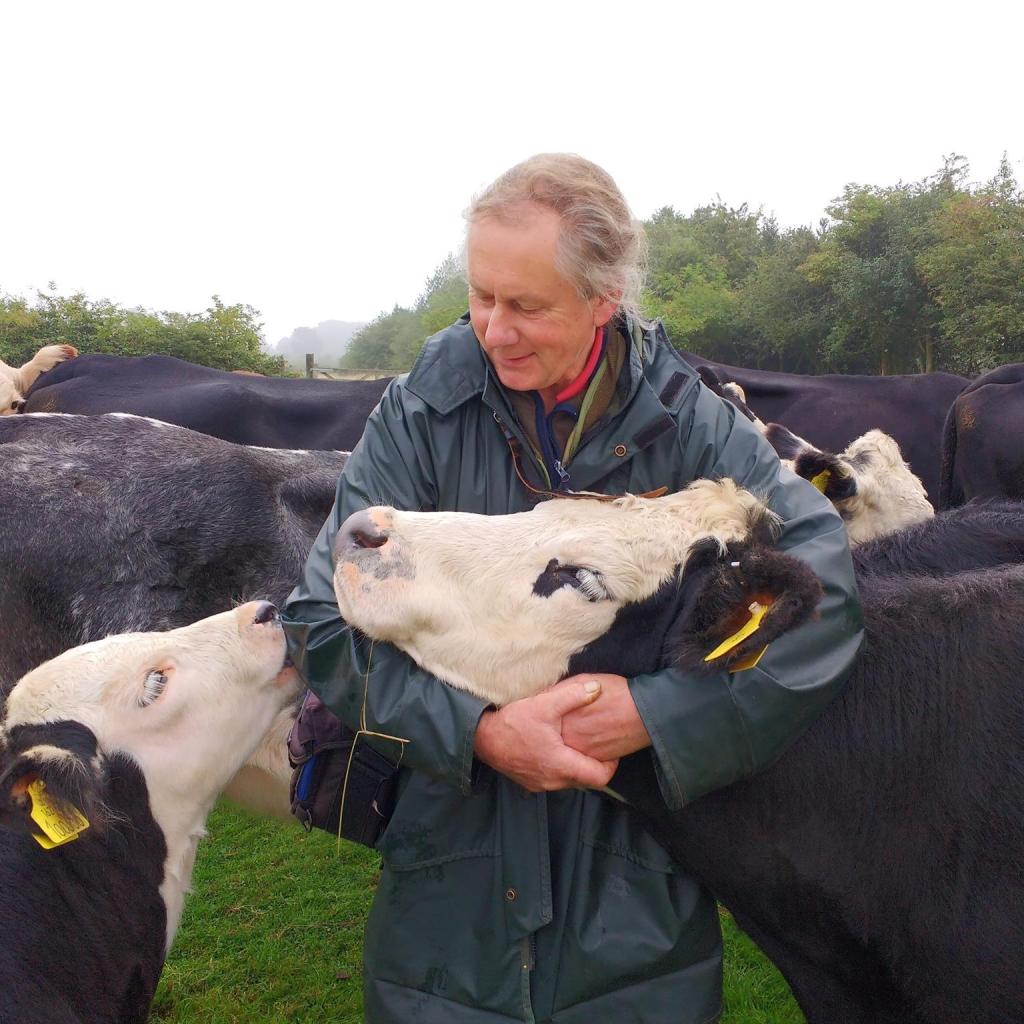
As with the dairy industry, these alternative products are competing with traditional meat production. it is often the burden of small-scale, local cattle farmers who must manage the economic impacts. For such small-scale businesses, reducing demand and income can be difficult to overcome: however, some have seen it as an opportunity: one example of this comes from a cattle farm in Derbyshire, UK, which hit the headlines in 2018 for swapping cattle for carrots in becoming a vegan vegetable farm:

We did our best to look after them, but you knew you were going to betray them. You really couldn’t look them in the eye” – Jay Wilde, owner of the converted farm in Derbyshire (inews.co.uk)

Jay Wilde and his cows, undoubtedly mooing in relief. Source: http://www.ethivegan.com

This kind of transition isn’t feasible everywhere – for example, the Sahel land strip in Africa is home to nomadic groups which keep and raise livestock, as the land is not amenable to crop production. This area, being arid and only used for this purpose, makes retraining for different employment difficult for local people. As well as this, many communities consider this way of life part of their cultural identity (BBC, 2017) – requiring people to change their whole way of life could drastically affect the unemployment rates and local economies of these areas.

Shifts in crop production

As has already been mentioned, in some instances the land available for food production does not support crop production. For example, in a comprehensive study by Peters et al. (2016), ovo-vegetarianism was suggested to be the most sustainable dietary regime in terms of land use. They postulated that if everyone in America went vegan, land for grains, fruits, vegetables, pulses and nuts would need to increase compared to land already being used for grain, hay and cropland pasture. Their estimate for sustainability focused therefore on what was already available in terms of land use, and what would be the most efficient use of this land – and the answer was not veganism.

This highlights the important consideration that for some areas, supporting a predominantly vegan population is not easily possible without the conversion of land from one purpose to another. As such, a focus on locally produced goods might be a better approach to form dietary habits, as the consumer is then using what is directly available to them, without the need to lose food production years in converting land to arable agriculture.

Food Availability

Distribution of food around the world is an incredible task, and one which is dominated by social and economic concerns (Berardy, 2015). Food deserts provide an example where shifting dietary habitats is not easily achievable. These are urban areas where residents cannot afford to eat healthier products, and are often forced to rely on heavily processed foods. Because of this, many people view veganism as a “privileged” consumption trend, excluding certain ethnic, economic and social groups. But this is not the case: Greenebaum (2017) in fact shows that veganism is not in itself a privilege, but the ability to choose the food which you buy and consume is. For people living in food deserts, this privilege is not available to them. However, Greenebaum writes that following a vegan lifestyle does not have to be inherently more expensive than an omnivorous one:

The basic dietary staples for vegans such as rice, beans and potatoes are budget friendly. Conventionally grown fruits and vegetables are reasonably priced, while frozen and canned ones are the most affordable and accessible” – Greenebaum, 2017

Social stigma and discrimination

Veganism has a bad reputation. This is due to several factors, often pushed by the meat and dairy industry through advertising campaigns. For example, consumers have been brainwashed into associating meat consumption with masculinity, which has led to the belief that vegan men are more feminine than their carnivorous peers. Then there are common criticisms of such a “radical” diet, which may come in the form of judgemental comments and behaviour from friends and family, weird questions like “But what would you do if you were on a desert island?”, the need to justify your personal dietary choices and the stereotype of vegans as being stuck-up and self-important (Greenebaum, 2017).

Source: messycookingalwaysvegan.blogspot.com

These judgements are often felt on the individual level – in a study of vegan experiences by Beverland et al. (2015), participants said that long-term relationships changed negatively as a result of their adoption of a vegan diet. However, these same participants highlighted the importance of being part of a community of vegans – offering support and a sense of camaraderie. It also allows for new communities to be made: people who identified as vegetarian/vegan in a study by Raphaely et al (2015) tended to value social justice, peace and equality more strongly than omnivores, and it is possibly these strongly held values which allow for stronger bonds to be made between people.

“Marketing often contributes to both the establishing and reaffirming of myths and in so doing, encourage certain actions that become part of accepted normative thoughts and behaviours.” – Raphaely (2015)

 Health Costs

A landmark study came out in 2016 by Springmann and colleagues, who attempted to put a price on the health cost savings across America of switching to a more plant-based diet. They did this by calculating the direct and indirect costs of care for diet-related illnesses, as well as the lost workdays associated with mortality from certain diseases. This was just one part of their analyses, which also incorporated estimates for the social cost of carbon emissions and a comparison of dietary guidelines. Their calculations are astounding: if the whole population of the US followed a vegan diet immediately,  $250bn would be saved each year: but even if Americans followed non-vegan dietary guidelines, $180bn less would be spent on dietary-linked health problems (Springmann et al., 2016). 

Transitioning toward more plant-based diets in line with standard dietary guidelines could reduce global mortality by 6-10% compared with a reference scenario in 2050… the economic value of the health benefits associated with more plant-based diets is compared with or exceeds the value of the environmental benefits” – Springmann et al., 2016

This presents a clear win for the economy, when considering the health effects of following a whole foods plant-based diet.

Summary

As has been suggested, there are SO MANY positive and negative socioeconomic arguments to a transition to a predominantly plant-based dietary regime. When combining these with the environmental and health benefits, it is clear to see why veganism is gaining popularity. I hope that this series of essays has given you an insight into the benefits and drawbacks of going plant-based – and with perfect timing, as today is the start of Veganuary. So, why not try it out?

References

BBC (2017) The consequences if the world decided to go meat-free [online] Available at: https://www.bbc.com/future/article/20170612-the-consequences-if-the-world-decided-to-go-meat-free (Accessed: 01/01/2020)

Berardy, A. (2015) Finding the future of food: Sustainable consumption lessons from and for veganism. Arizona State University.

Beverland, M.B., Wahl, K.M. & de Groot, J. (2015) Sustaining a Sustainable Diet: Vegans and their Social Eating Practices. In Annual Macromarketing Conference, p. 145

Greenebaum, J.B. (2017) Questioning the concept of vegan privilege: A commentary. Humanity & Society41(3), pp.355-372

Inews (2019) “I couldn’t look them in the eye”: Farmer who couldn’t slaughter his cows is turning his farm vegan [online] Available at:  https://inews.co.uk/news/long-reads/i-couldnt-look-eye-farmer-couldnt-slaughter-cows-turning-farm-vegan-332403 (Accessed: 01/01/2020)

Peters, C.J., Picardy, J., Wilkins, J.L., Griffin, T.S., Fick, G.W. & Darrouzet-Nardi, A.F. (2016) Carrying capacity of US agricultural land: Ten diet scenarios. Elementa: Science of the Anthropocene4(1), p.1

Raphaely, T. (2015) Impact of meat consumption on health and environmental sustainability. [pdf] Available at: https://www.researchgate.net/profile/Diana_Bogueva/publication/306234429_Meat_myths_and_marketing/links/5aa1f797aca272d448b4c0c9/Meat-myths-and-marketing.pdf (Accessed: 21/04/2020)

Sanon, E. (2018) The Economic Impact of Non-Dairy Alternative Milk Beverages on the United States Dairy Industry. [pdf] Available at: https://pdfs.semanticscholar.org/368a/43a6e665a6540dd04059fe28f2e9a2013ece.pdf (Accessed: 21/04/2020)

Springmann, M., Godfray, H.C.J., Rayner, M. & Scarborough, P. (2016) Analysis and valuation of the health and climate change cobenefits of dietary change. Proceedings of the National Academy of Sciences113(15), pp.4146-4151

Sustainability and veganism II: the environmental impacts of diet

According to a study by Oxford University, going vegan is the single biggest way to reduce your impact on the planet (The Guardian, 2019). Our current food system causes biodiversity loss (through deforestation of woodlands for pasture land), competition for land, water and energy with other industries, and greenhouse gas emissions (Peters et al., 2016). The impacts of the dairy and meat industries are well established – meat, dairy and fats account for the greatest land requirements in Westernised countries, which will only increase with demand across China and Indonesia (Peters et al., 2016; Figure 1).

Figure 1: Trends in per capita meat consumption. Source: Sabaté & Sorat, 2014.

The impacts of vegan diets compared to omnivorous diets is a bit of a hot topic at the moment, with many researchers looking into the potential environmental impacts of realistic diets (not just model diets or food groups, which are often studied). A UK-based study by Scarborough et al. (2014) looked at the impacts of different diets, focusing on the greenhouse gas (GHG) emissions attributable to each food type. They lend evidence to the statement that a diet including meat is worse for the environment than a meat-free diet, finding that an average 2000kcal high-meat diet had 2.5x the GHG emissions associated with it, compared with a vegan diet of the same caloric intake. The UK is a prime example of a Western country whose population generally eat a whole lot of meat: as such, the consumption of food accounts for 1/5th of all GHG emissions attributable to the UK. This is undoubtedly a substantial chunk of our GHG emissions, and demonstrates that higher meat consumption is bad news for our climate.

4 Cows Behind Black Metal Rails
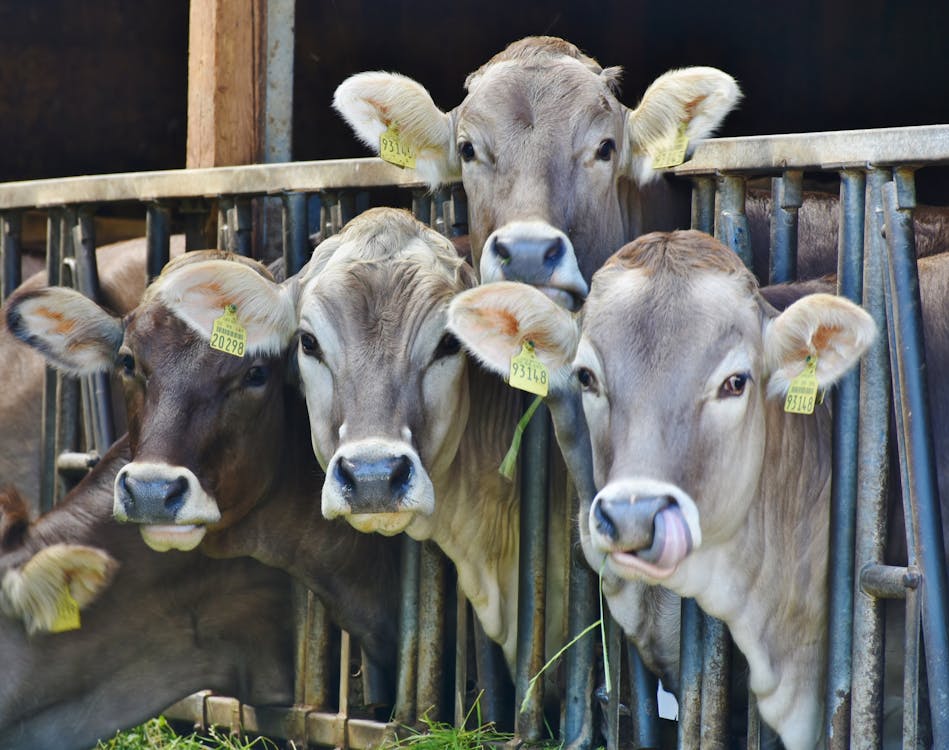
Cute creature or environmental disaster?

A further study was conducted by Rosi et al. (2017), who looked at the diets of over 150 Italians, identifying themselves as either vegan, ovo-lacto-vegetarian (i.e. a vegetarian who also consumes dairy products and eggs) or omnivores. The impacts of these diets were measured in terms of carbon footprint, water footprint and ecological footprint, rather than GHG emissions, which gives a more holistic view into the type of impacts these foods can have. Aside from the predictable conclusion that the animal-based diet had higher scores in each environmental index compared with the other two diets, the study also suggests the importance of individual variability. For example, some members of the vegan group recorded a higher environmental impact than those of the other two groups as a result of what they were consuming, particularly high proteins and fats. Also of note is the amount of food a plant-based dieter consumes – because of the lower energy density of plant-based foods, the higher intake of food compared to vegetarians means that in some cases, there is no environmental benefit of going vegan compared to ovo-lacto-vegetarian (Rosi et al., 2017). This study is important as not only does it outline the importance of what kind of food you eat, regardless of diet, but how much you eat of each food. This is a vital consideration not only from a health perspective (see Sustainability and veganism I for that) but from an environmental perspective.

The environmental impacts directly associated with farming are only a slice of the whole range of effects our food industry has on the environment. For this reason, there is growing interest in the concept of life-cycle assessments for food products, which look at each step in the growing, manufacturing, fertilising, transporting and selling of goods. One such assessment completed by Reijinders et al. (2003) found that the average complete life cycle impacts of a non-vegetarian meal is up to 2x higher than a vegetarian meal. Furthermore, processed protein sources based on soybeans, account for up to 17x less land use, 20x less fuel usage and 26x less water usage compared to meat protein. This more integrated approach to assessing environmental degradation (not just focusing on emissions) gives a more holistic picture into the impacts of agriculture, in terms of pollution, air miles and pest control. They also highlight yet more issues to consider with the food you eat (yay!).

Any diet can comprise local, organic, exotic or highly-processed foods. As previously mentioned, it is these production and transport methods wherein a lot of environmental damage can occur. When factoring in for these effects, unexpected outcomes might arise – for example, Reijinders et al. (2003) found that long-distance transport of vegetables can equal or surpass the CO2 emissions of the same amount of organic meat:

“long-distance air transport of 1 kg food has roughly the same environmental impact as the primary production of 1 kg organic meat. So vegetarian food flown in by plane may well be at an environmental disadvantage if compared with locally produced organic meat” – Reijinders et al. (2003)

Furthermore, the consumption of “exotic” vegetarian goods which have high CO2 emissions accompanying their transportation, or vegetables produced in fossil fuel-heated greenhouses, may mean that certain components of a plant-based diet have a higher impact on the environment than locally sourced, organic meat (Reijinders et al., 2003).

These studies demonstrate that you cannot pin all environmental issues associated with food production on the meat industry. The problem is not as simple as just considering emissions, either, but every stage of the life cycle of the food you are tucking into. Of course, decreasing the amount of meat can be the first step to a more sustainable diet. By cutting out the “middle man” of cattle, people can directly consume the crops (soy and grain) which would have fed them. In fact, if the 16 major crops grown in the world were prioritised for human consumption only, there would be a 28% increase in food availability (Sabaté & Sorat, 2014). But don’t let this distract you from scrutinising the methods used to produce the food you consume: deforestation for arable land, eutrophication of water sources and the excessive use of non-renewable minerals such as phosphates (in fertilisers) are all problems associated with agriculture, regardless of your diet type.

To summarise then, Sabaté & Sorat (2014) give a nice conclusion regarding sustainability and diet:

“At the current trends of food consumption and environmental changes, food security and food sustainability are on a collision course. Changing course (to avoid the collision) will require extreme downward shifts in meat and dairy consumption by large segments of the world’s population. Other approaches such as food waste reduction and precision agriculture and/or other technological advances have to be simultaneously pursued; however, they are insufficient to make the global food system sustainable.” – Sabaté & Sorat, 2014

In order to look at individual food items and their impacts (specifically GHG emissions and water usage), I suggest looking at the wonderful climate change food calculator provided by the BBC.

References

Peters, C.J., Picardy, J., Wilkins, J.L., Griffin, T.S., Fick, G.W., & Darrouzet-Nardi, A.F. (2016) Carrying capacity of US agricultural land: Ten diet scenarios. Elementa: Science of the Anthropocene4(1), p.1.

Reijnders, L. & Soret, S. (2003) Quantification of the environmental impact of different dietary protein choices. The American journal of clinical nutrition78(3), pp.664S-668S

Rosi, A., Mena, P., Pellegrini, N., Turroni, S., Neviani, E., Ferrocino, I., Di Cagno, R., Ruini, L., Ciati, R., Angelino, D., & Maddock, J. (2017) Environmental impact of omnivorous, ovo-lacto-vegetarian, and vegan diet. Scientific reports7(1), p.6105

Sabaté , J. & Soret, S. (2014) Sustainability of plant-based diets: back to the future. The American journal of clinical nutrition100(suppl_1), pp.476S-482S

Scarborough, P., Appleby, P.N., Mizdrak, A., Briggs, A.D., Travis, R.C., Bradbury, K.E. & Key, T.J., (2014) Dietary greenhouse gas emissions of meat-eaters, fish-eaters, vegetarians and vegans in the UK. Climatic change125(2), pp.179-192

The Guardian (2019) The 14 things you need to know before you go vegan. [online] Available at: https://www.theguardian.com/lifeandstyle/2019/jun/19/the-14-things-you-need-to-know-before-you-go-vegan (Accessed: 23/11/2019)

Air quality and exercise: should I be worried?

Introduction to air quality

Anthropogenic activities are a major cause of air pollution. Whilst historically it was the actions of the industrial sector which led to major air pollution events (such as the famous Great Smog of London in 1952) in the Western world, today the transport sector plays an increasingly devastating role in making our air unsafe for breathing (Kampa & Castanas, 2008). The burning of fossil fuels through the use of motor vehicles releases nitrous oxides (NOx), particulate matter and carbon monoxide into the atmosphere, which can cause significant negative health impacts to people (Frank & Engelke, 2005). This essay will look at the different types of air pollutants we are exposed to every day, particularly those which derive from the transport sector. The effects of these pollutants on the body will be discussed, as well as the measures undertaken to combat air pollution.

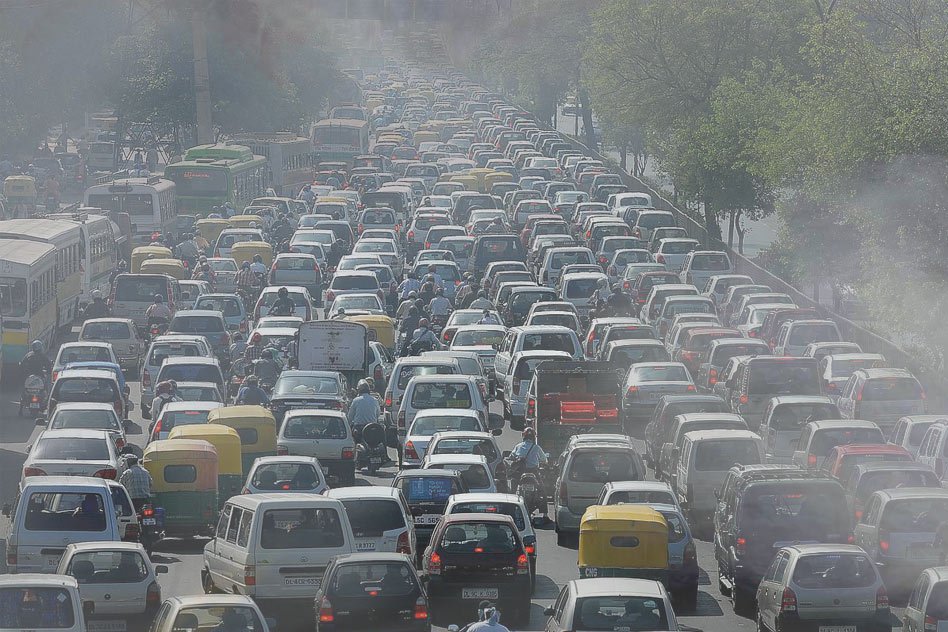
Obligatory photo of lots of cars and pollution. Source: thelogicalindian.com

What are air pollutants?

Kampa & Castanas (2008) define four main categories of air pollutants: gaseous pollutants (sulphur dioxide, nitrous oxides and carbon monoxide), persistent organic pollutants, heavy metals (such as lead and mercury) and particulate matter. The latter is especially important with reference to health effects on humans, because particles of dust, dirt, diesel soot and metals can cause havoc on the body, and especially its respiratory system; fine and ultra-fine particulate matter (smaller than one nanometre, or a 10-millionth of a centimetre) damage the alveoli in the lungs, often causing irritation and difficulty breathing (Kampa & Castanas, 2008; Frank & Engelke, 2005).

Particulate matter is the generic term used for a type of air pollutants, consisting of complex and varying mixtures of particles suspended in breathing air… produced by a wide variety of natural and anthropogenic activities” – Kampa & Castanas (2008)

Persistent organic pollutants (POPs) are those which remain in the environment for long periods of time (Kampa & Castanas, 2008). Pesticides are examples of POPs, which nicely illustrate the second important characteristic of POPs, which is that they become more deadly as they move up the food chain. For example, if a rabbit consumes pesticides, it will have these pesticides in its body. When a fox comes along to eat the rabbit, it consumes the rabbit and the pesticides within it, and probably several other rabbits in the same situation – meaning the fox will have a much larger concentration of pesticides in its body. This process of increasing the concentrations of a substance through the food chain is called biomagnification. Note: This relates less to air pollution, but is nonetheless important to remember when thinking about what you are eating and what it has been exposed to.

“Human health effects [of air pollution] can range from nausea to difficulty in breathing to skin irritation to cancer. They also include birth defects, serious developmental delays in children and reduced activity of the immune system” – (Kampa & Castanas, 2008)

Gaseous pollutants are another form of pollutant which a person might be exposed to: these include carbon monoxide and nitrous oxides, the two big ones which come directly from the burning of fuel in cars. A number of studies have attempted to measure exposure to gaseous pollutants by using sensors – Hu (2014) is an example of a study where participants wore sensors to measure the air pollution around them whilst jogging, driving or cycling. Their findings show that a person is typically more exposed to carbon monoxide whilst driving, than compared to cycling or jogging, due to proximity to a road. However, when considering the increased heart and breathing rates of joggers compared to drivers, total intake of air pollutants is actually higher (Hu, 2014). 

Another interesting paper by Frank & Engelke (2005) looked at the relationship between city design (and therefore transport links and routes) and air pollution levels in urban areas, as a proxy for human health. They found that through recent history, public health problems such as poor sanitation and overcrowding have been high on the city-planner’s agenda – this led to the development of suburbs, in an effort to reduce populations in city centres (Frank & Engelke, 2005). This priority has been somewhat forgotten in recent years, with many cities consistently surpassing legal limits on air pollutant concentrations (see if you can spot your nearest city’s pollution levels here https://www.theguardian.com/cities/datablog/2017/feb/13/most-polluted-cities-world-listed-region). The study goes on to suggest that investing in greener transport, and discouraging the use of motor vehicles in cities through policy changes, might be a more effective way of combating air pollutants than redesigning cities and suburbs.

Should I be worried?

A study by Rojas-Rueda et al. (2011) looked at the health effects of cycling instead of taking a car whilst commuting. It studied the effectiveness of a bicycle-sharing scheme in Barcelona, Spain, and found that when considering intake of particulate matter of less than 2.5 micron size, the health benefits of physical activity and the risk of traffic accidents, the overall benefits of cycling outside in the city outweigh the risks. This was primarily as a result of the high physical benefits of cycling instead of driving compared to the lower risk presented by air pollution in the city (Rojas-Rueda et al., 2011). This might suggest then that it is better to exercise outdoors in spite of air pollution, in some cities.

However, another study set in Malaysia looked at the contribution of air pollution levels to mortality (Mahiyuddin et al., 2013). They found that there was a significant association with some pollutants, such as PM10 and ozone (lower in the atmosphere than the famous ‘ozone layer’) and mortality – in particular, where the levels of PM10 were 3x the Malaysian air quality guidelines limits, there was a highly significant association with mortality.

These studies demonstrate not only how air pollution problems differ between countries, but of course also how risk changes between countries. The easiest way to determine what you are being exposed to, as well as the legal limits for each pollution, is to look it up online – local councils and national governmental departments should publish air quality records, and compare them to the World Health Organisation limits.

References

Kampa, M. & Castanas, E. (2008) Human health effects of air pollution. Environmental pollution, 151(2), pp.362-367

Frank, L.D. & Engelke, P. (2005) Multiple impacts of the built environment on public health: Walkable places and the exposure to air pollution. International Regional Science Review 28, 193–216 

Hu, K. (2014) Personalising pollution exposure estimates using wearable activity sensors, in: IEEE ISSNIP 2014 – 2014 IEEE 9th International Conference on Intelligent Sensors, Sensor Networks and Information Processing, Conference Proceedings. IEEE Computer Society.

Rojas-Rueda, D., de Nazelle, A., Tainio, M. & Nieuwenhuijsen, M.J. (2011) The health risks and benefits of cycling in urban environments compared with car use: health impact assessment study. Bmj, 343, p.d4521


Mahiyuddin, W.R.W., Sahani, M., Aripin, R., Latif, M.T., Thach, T.Q. & Wong, C.M. (2013) Short-term effects of daily air pollution on mortality. Atmospheric environment, 65, pp.69-79

Sustainability and veganism I: nutrition and health

What is veganism?

“Food consumption is an environmentally significant behaviour, accounting for around 20-30% of Western greenhouse gas emissions” – Beverland, Wahl & De Groot, 2015

Veganism has been suggested as a solution to many of our sustainability problems; including climate change, biodiversity loss and antibiotics resistance. As such, over 1% of the UK over-15 population is now vegan, with a disproportionate amount of that 1% being young (42% of UK vegans are aged between 15-34) and living in urban areas (88%) (Twine, 2018). In fact, in recent years veganism has seen a huge increase in popularity, led by the growing vegan community (Twine, 2018). But what, exactly, does veganism involve, and is it sustainable for you and the planet?

A vegan buddha bowl, featuring avocado, broccoli, tofu, cashew nuts and mushrooms. Source: vegetariantimes.com

As with most diets, there are several variations of veganism – including the avoidance of all things from animals (including avoidance of leather for example), or just avoiding the consumption of all animal produce (meat, dairy and eggs in particular). Then there are those who will eat meat substitutes (products made to replicate meat), or those who avoid anything meat-ish altogether, those who are vegan for the supposed health benefits, for cost savings or for personal beliefs (especially ethical arguments around animal welfare and sentience). For the purpose of this essay, a vegan lifestyle will refer to the refusal to consume all animal products, regardless of personal reasoning (although, an interesting research paper on the different approaches to a vegan diet was written by Twine, 2018).

This essay is the first of a series of short pieces on veganism, looking at its sustainability in terms of nutrition (read on), environmental degradation, social and economic impacts. So without further ado, let us look at the nutritional side of a vegan diet, and whether it is sustainable for the body in the long run.

Veganism and health

As with any diet, there are ways to do it healthily – but it is just as (if not more) easy to do it unhealthily. This is an important caveat – it has been shown that a plant-based, whole foods diet is a safe and effective way to become healthier (Hester, 2017), with vegetarian diets in general being associated with reduced incidences of diabetes, improved blood pressure and lower instances of ischemic heart disease (Heiss et al., 2017). However, other studies link a vegan diet to nutritional deficiencies (Heiss et al., 2017) and reduced bone mineral density, which increases the likelihood of bone fractures (Iguacel et al., 2018). This might suggest that, without ensuring you are getting all the vitamins (notably zinc and vitamin B12) that predominantly derive from animal products, you could put yourself at risk of diseases associated with vitamin deficiencies (Iguacel et al., 2018).

Excessive meat consumption has been shown to be a risk factor for the development of Type 2 diabetes and is associated with colorectal cancer (Raphaely, 2015). A diet with lower meat intake therefore has a lot of scientific support. Reducing meat intake also implies an increase in the consumption of other foods, particularly vegetables, legumes, pulses and beans, in order to receive all the necessary vitamins and minerals for the body (check out the book “Food Pharmacy” by Lina Aurell and Mia Clase for a more in-depth look at the benefits of reducing your meat intake).

Interestingly, the scientific support for ditching dairy seems to be quite low: dairy products are rich in important nutrients for bone growth, with Rizzoli (2014) finding that increasing daily calcium and protein intake with dairy products protects against bone fractures throughout life, and especially in the elderly and growing children. It was also found that by increasing intake of dairy foods to the recommended 3-4 servings per day, a reduction of at least 20% in osteoporosis-related health costs could be seen in the US (Rizzoli, 2014). The consumption of dairy products has also been linked to decreased obesity risk in children, reduced risk of Type 2 diabetes, increased bone mineral density, and reduced risk of several types of cancer (Thorning et al., 2016). It is therefore difficult to justify avoiding dairy products on nutrition grounds – unless you suffer from allergies/intolerances associated with these products.

 From the existing academic literature on the subject, it seems that the sustainability of a plant-based diet for your health in the long run depends on:

  1. Whether meat is being supplemented by over-processed vegan alternatives – processing foods alters the chemical composition of these foods, potentially reducing the nutritional value of them
  2. Whether mineral and vitamin supplements are being taken to reduce risk of nutrient deficiencies
  3. Whether the food that is consumed is contaminated with pesticides and chemicals during its growth and production (though this one applies to all diets).

To summarise then, a nice quote from Heiss et al. (2017):

Compared with nonvegetarian diets, vegetarian diets [including vegan diets] can provide protection against many chronic diseases, such as heart disease, hypertension, type 2 diabetes, obesity, and some cancers such as colorectal and prostate.

This next section is going to be a quick round-up of commonly asked questions around vegan diets and health, followed by some hopefully helpful answers. Note: I am not a health expert!

  1. … But what about protein??

This question appears to be top of the ‘annoying things vegans hear all the damn time” list. Famously, meat contains animal protein. And funnily enough, plants contain plant protein. Good sources include beans, lentils, chickpeas, spinach, broccoli and legumes (Hester, 2017). Eating a varied diet of whole foods will mean that you will probably get the right amount of protein for the body, which is less than you may think – 0.8g of protein per kilogram of body weight. The Vegetarian Resource Group provides a nice overview on the topic, and a handy list of vegan foods from which you can get your protein (plus a sample menu).

  • What is tofu?

Tofu is made from soybean curd. It is high in protein and contains all the essential amino acids your body needs. It is low in calories but high in protein and fat, making it a popular meat substitute (Healthline.com).

  • Is following a vegan diet expensive?

This of course depends on what you buy. Frozen vegetables, pasta, rice, potatoes etc. are not expensive, and you are probably already buying them anyway. Vegan options on restaurant menus tend to be cheaper, and staying away from processed foods will also reduce the cost.

A well-informed, whole foods plant-based diet can be sustainable for the body. There is a range of scientific evidence in support of reducing intake of meat and increasing consumption of vitamin-packed legumes and vegetables. Twine (2018) writes that veganism is a socially identifiable practice open to a broad range of methodological practices. As such, there is likely a way to go vegan which is palatable to most people. So, why not try going without meat for a meal or two? You might discover something you enjoy even more.

References

Twine, R. (2018) Materially constituting a sustainable food transition: the case of vegan eating practice. Sociology52(1), pp.166-181

Beverland, M.B., Wahl, K.M. & de Groot, J. (2015) Sustaining a Sustainable Diet: Vegans and their Social Eating Practices. In Annual Macromarketing Conference, p. 145

Raphaely, T. (2015) Impact of meat consumption on health and environmental sustainability. IGI Global.

Hester, E.R. (2017) The Benefits and Concerns of Veganism in Women’s Health.

Heiss, S., Coffino, J.A. & Hormes, J.M. (2017) Eating and health behaviors in vegans compared to omnivores: Dispelling common myths. Appetite118, pp.129-135

Iguacel, I., Miguel-Berges, M.L., Gómez-Bruton, A., Moreno, L.A. & Julián, C. (2018) Veganism, vegetarianism, bone mineral density, and fracture risk: a systematic review and meta-analysis. Nutrition reviews77(1), pp.1-18

The Guardian (2019) The 14 things you need to know before you go vegan. [online] Available at: https://www.theguardian.com/lifeandstyle/2019/jun/19/the-14-things-you-need-to-know-before-you-go-vegan (Accessed: 22/09/2019)

Healthline.com (2018) What is tofu, and is it good for you? Available at: https://www.healthline.com/nutrition/what-is-tofu#nutrition (Accessed: 22/09/2019 )

Rizzoli, R. (2014) Dairy products, yogurts, and bone health. The American journal of clinical nutrition, 99(5), pp.1256S-1262S.

Kratz, M., Baars, T. & Guyenet, S. (2013) The relationship between high-fat dairy consumption and obesity, cardiovascular, and metabolic disease. European journal of nutrition, 52(1), pp.1-24

Thorning, T.K., Raben, A., Tholstrup, T., Soedamah-Muthu, S.S., Givens, I. & Astrup, A. (2016) Milk and dairy products: good or bad for human health? An assessment of the totality of scientific evidence. Food & nutrition research, 60(1), p.32527

What makes a sustainable diet?

Sustainability and diet

Sustainability is one of those environmental “hot topics”, which is so often talked about but rarely specifically explained. According to the Brundtland definition (presented in the Brundtland Report of 1987 to the UN General Assembly), sustainable development is:

“development that meets the needs of the present without compromising the ability of future generations to meet their own needs”.

As such, it is concerned with the well-being of future generations (linked to the availability of natural resources and general environmental quality), as well as that of the current population – the focus of this definition is on the well-being of people (Kuhlman & Farrington, 2010). Since this definition, sustainability has been presented as three overlapping categories; social, economic and environmental concerns (Fig 1).

Figure 1: Venn diagram illustrating the three overlapping spheres of sustainability: economic, social and environmental concerns.

Whether this framework works, is up to much discussion. Kuhlman & Farrington (2010) suggest that as the social and economic spheres primarily concern the present generations, and environmental concerns arguably focus instead on the preservation of resources for the future, the well-being of current generations is twice as weighted as the latter (Kuhlman & Farrington, 2010). As such, social and economic factors weigh more heavily in policy making compared to environmental problems: which might be why we are plagued with environmental crises today such as widespread pollution, deforestation and climate change.

Sustainability should provide a lens though which we can view a world in balance, where our needs are met without causing irreparable damage to our natural environment or global society. This is all well and good to say – but how can an individual make changes in their own lives to minimise their environmental footprint, and lead a more ‘sustainable’ life?

One of the most talked-about routes is of course diet. Rising incomes are shifting dietary habits across the globe, towards a more “westernised” diet based on refined sugars, fats, oils and meats (Tilman & Clark, 2014). It is projected that by 2050, these dietary trends will increase global greenhouse gas emissions (GHGs) from agriculture by 80% (Tilman & Clark, 2014), when the industry already releases a whopping 25% of greenhouse gases from all industries. In addition to this, demand for animal-based foods is expected to rise by 80% by 2050 based on 2006 levels, with demand for beef alone increasing by 95% (Ranganathan & Waite, 2016).

“Because it directly links and negatively affects human and environmental health, the global dietary transition is one of the great challenges facing humanity” – Tilman & Clark, 2014

These trends are alarming, when considering the population increase we are expected to see, as well as the types of food people want to consume with higher incomes (see here for more). Not to put the blame on meat consumption again, but it cannot be denied that beef production requires 20x the amount of land and emits 20x the amount of GHGs per unit of edible protein than plant-based sources like beans and lentils (Ranganathan & Waite, 2016), with 3x the land needed for chicken production in comparison. So, is the easiest way to be more sustainable to eat less meat? (Spoiler: the answer is yes).

Main Archives - McDonald's®
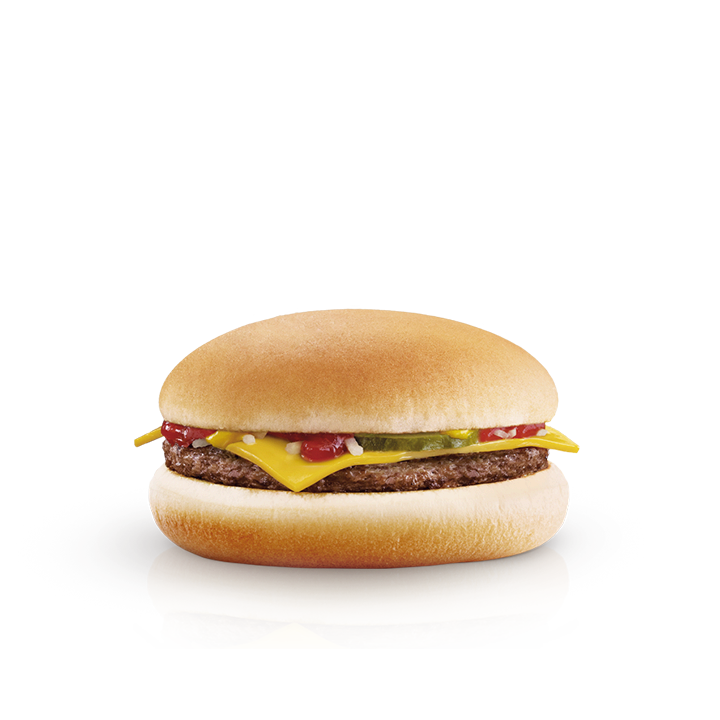
Figure 2: A most appetising Mcdonalds cheeseburger. Looks tasty, doesn’t it? Not so much when you consider that each pound of beef generates 25 pounds of CO2 emissions. The New York Times (2014) even goes as far to attribute a monetary value of $0.48 per burger as a healthcare cost, for the obesity it might eventually lead to(!).

Nutrition and diet

The Food Climate Research Network published an excellent in-depth discussion paper about sustainable diets, focusing on the nutritional benefit of different food types on the “Eatwell plate”, which summarises and quantifies the amount of each food group required to maintain a healthy diet (FCRN, 2014). It states that the lower the intake of fish, meat and dairy, the lower the environmental impact. As such, several “sustainable” diet frameworks have been identified, including the usual contenders of vegetarianism and veganism, as well as the Mediterranean diet and pescatarianism. These offer simple dietary “rules”, which can be followed by a consumer easily enough – don’t eat meat, don’t eat products containing milk etc. However, there is arguably no one-size-fits-all diet which not only is acceptable to everyone, but which also provides all the vital micro and macronutrients needed for the human body.

An interesting study by Macdiarmid et al., (2012) looked at creating the most sustainable healthy diet possible, without considering acceptability or palatability to people. It found that a diet consisting of only 7 foods, whole-grain cereal, pasta, peas, fried onions, brassicas, sesame seeds and confectionary, allowed a 90% reduction in greenhouse gases from a 1990 baseline. Admittedly, this diet would not appeal to many (or anyone at all), so the researchers then went on to consider acceptability, creating a new diet comprising 52 different food items (including meat, fish and dairy), which would reduce GHG emissions by 25% by 2020 from a 1990 baseline. This diet was referred to as the “sustainable diet”, which also came with a three-day meal plan featuring pleasant-sounding meals like “salmon with cream cheese topping, broccoli, new potatoes and carrots” (Macdiarmid et al., 2012).

Compared to the average UK diet, the sustainable diet contains a higher proportion of cereals, fruits, beans and pulses, whilst drastically reducing meat and high-sugar products (Macdiarmid et al., 2012). It could therefore be justified that a sustainable diet can include the consumption of meat, dairy and sugars, just in much lower quantities. But, as previously mentioned, the less animal products you can eat the better in terms of greenhouse gas emissions.

Caveats

A sustainable diet is not solely about what you eat. A sustainable foodie will also have to consider the chemicals and pesticides used to produce the food, from where it has flown in, the labour conditions for the harvesters and manufacturers, animal welfare, efficiency of production (e.g. organic vs. intensive farming), religious or cultural traditions, and of course nutrition (FCRN, 2014). For example, studies into organic produce in the UK showed that organic farming doesn’t always produce fewer GHG emissions than intensive farming per kg. As well as this, less intensive farming methods have higher land requirements to produce the same amount of food. What may appear to be the more “sustainable” choice might just be a ploy to sell you more expensive (and not necessarily more sustainable) items.

Summary

The discussion paper written by the FCRN (2014) summarises a sustainable healthy diet as having:

  1. Diversity in foods consumed
  2. High amounts of tubers, fruits and vegetables
  3. Meat and dairy consumed sparingly
  4. Fish coming from certified fisheries
  5. Limited consumption of sugary and fatty snacks

With enough googling, you can find online justification for several different diets and dietary trends. But flexibility is key, if these diets are to be maintained in the long term. Taking an item-by-item approach to your diet may therefore be more acceptable than banning food groups altogether, when considering both nutrition and sustainability. A brief summary of the environmental costs of different food groups may therefore be useful, if the reader wishes to make changes in their own diets (FCRN, 2014):

  1. Carbohydrates – the production of maize, wheat and potatoes has a relatively low GHG footprint, when rice is comparatively much higher, due to the production method used.
  2. Fruits and vegetables – Hard fruits (e.g. apples) and legumes have a comparatively lower GHG footprint compared to citrus fruits.
  3. Meat, fish and eggs – the average GHG emissions for beef consumed in the UK can vary from 12.1 to 32.0 kg CO2e/kg depending on where it was produced (Macdiarmid et al., 2012). Considerations around animal welfare are also important – intensive farming methods are more efficient in terms of land and resources but are generally disapproved of.
  4. Dairy – Dairy products emit medium-high levels of GHGs per kg consumed (Macdiarmid et al., 2012).
  5. Sugars and fats – Low GHG production relative to other food groups, but high land and water needs. Nutritionally very low (often referred to as “empty calories”), which some might describe as a waste of resources.

Being conscious of your consumption patterns, researching the impacts that your favourite foods have on the environment and society, and choosing the less GHG-intensive food options (but still nutritional) is a good start to making sustainable changes to your lifestyle.

References

FCRN (2014) What is a sustainable healthy diet? A discussion paper. [pdf] Available at: https://fcrn.org.uk/sites/default/files/fcrn_what_is_a_sustainable_healthy_diet_final.pdf (Accessed: 29/08/2019)

Kuhlman, T. & Farrington, J. (2010) What is sustainability?. Sustainability2(11), pp.3436-3448

Macdiarmid, J.I., Kyle, J., Horgan, G.W., Loe, J., Fyfe, C., Johnstone, A. & McNeill, G. (2012) Sustainable diets for the future: can we contribute to reducing greenhouse gas emissions by eating a healthy diet?. The American journal of clinical nutrition96(3), pp.632-639

Ranganathan, J. & Waite, R. (2016) Sustainable diets: what you need to know in 12 charts. [online] Available at: https://www.wri.org/blog/2016/04/sustainable-diets-what-you-need-know-12-charts (Accessed: 29/08/2019)

Tilman, D. & Clark, M. (2014) Global diets link environmental sustainability and human health. Nature515(7528), p.518

New York Times (2014) The true cost of a burger. [online] Available at: https://www.nytimes.com/2014/07/16/opinion/the-true-cost-of-a-burger.html (Accessed: 30/08/2019)

How to solve a food crisis

A food crisis is a sharp rise in rates of hunger and malnutrition at a local, regional or global scale, for reasons which may include increased food prices or poor crop yield due to drought or flooding. There is a high probability that we are already facing the onset of a huge food crisis, as suggested by the  “perfect storm” idea: with increasing food demands from a growing population, coupled with decreasing production of food, a crisis point will be reached (the “perfect storm”) which will cause immeasurable social and economic damage. This is happening now, with the stagnation of agricultural production across Asia, rendering 41% of the population food insecure (Ray et al., 2012). As well as this, 2018 saw an 11% rise in the number of food insecure people globally (World Food Program, 2018).The reliance on northern Asia and South America for production of staple crops such as rice, maize, soybean and potato (National Geographic, 2012) is further indicative of the vulnerability of food supply across the world.

Intensification of agriculture across existing arable land has been suggested as a vital way to prevent the food crisis worsening. Similar to the concept of “land sparing” in conservation ecology, it involves maximising agricultural production by using technologies which may include GM crops, pesticides and herbicides, or more efficient irrigation. This has benefits for both productivity and biodiversity (when other land is prioritised for conservation, Phalan, 2001; Hulme, 2013), and would prevent agricultural expansion into new land, which is not feasible on our finite planet. However, in focusing on the “silver bullet” agricultural intensification presents (being seen by many as the only way to prevent worsening of the food crisis), other properties of the system aren’t been given enough attention.

Food security: “the condition in which all people at all times have physical, social and economic access to sufficient safe and nutritious food that meets their dietary needs” – UN Committee on World Food Security

The food crisis has food security at its core. But it is not determined by supply alone. There are many social, economic and environmental factors which deserve consideration when thinking about providing the right nutrition to the global population –   These include waste, competition for land with biofuels, speculation in food markets influencing prices, extreme weather events, conflict and dietary change (UNEP 2008). Because of this, the whole system we currently have of producing and distributing food must change.

Lessons from the past

The Green Revolution represented an enormous system shift in many areas around the world, where agricultural practices changed from techniques based on traditional growth and technology, to integrating high yield varieties of staple crops and chemical fertilisers (Evenson & Gollin, 2003). This change lead to an increase in the caloric intake per capita in the developing world by 13-14%, and reduced the number of malnourished children by up to 7.9% (Evenson & Gollin, 2003). As well as this, cereal crop supply tripled, dropping food prices. Support grew for agricultural intensification: it seemed to be justified by the the social and economic benefits it multiplied.

However, it wasn’t all good news. Biodiversity across plantations reduced with expanding monocultures, herbicide pollution plagued the soils and ground water sources depleted rapidly with increased irrigation.This trade-off between increasing human wellbeing and declining quality of supporting services (such as soil quality and water provision) is known as the “environmentalist paradox” (Raudsepp-Hearne, 2010). The Green Revolution went some way in improving our agricultural system, but it was clearly not sustainable. But how about if agricultural intensification was done more sustainably? I wonder what innovative title this new technique should have….

Sustainable Intensification

As the name suggests, sustainable intensification (SI) is an agricultural system in which food production is increased, while the state of the environment is maintained and agricultural expansion prevented. This is done in practice through the use of integrated pest management, irrigation water management and conservation agriculture, amongst other techniques (Pretty, 2018).  It’s uptake in recent years has led to a potential tipping point; a further small increase in farms incorporating SI could rapidly lead to a global food system shift to more sustainable practices (Pretty, 2018). Putting sustainability at the heart of food production will move the focus away from increasing food production at the cost of everything else, and instead aim for a balance of outcomes to ensure agricultural land is not further degraded in the future.

The incorporation of GM crops may also play a role, as the need to promote drought-resistant, pest-resistant crops in the poorest areas of the globe has been highlighted as a way to improve productivity, particularly in Africa which has historically lagged behind in agricultural development (Royal Society, 2009).  SI cannot solve the food crisis alone: change must occur across the whole system, with innovations in food storage and processing, diet change and technological innovation making food more accessible and affordable.

Food security and accessibility

Generally, the global poor, who rely heavily on staple foods such as rice and wheat, are most at risk of malnutrition. The 2008 food price hike saw wheat and rice prices almost doubled, pushing the number of hungry people worldwide to over 1 billion (European Commission, 2011). A similar increase in 2011 forced another 44 million people into poverty (World Bank, 2012). These events highlight the importance of food price in food security and how interconnected the global system is, as it depends on factors including speculation on the financial market, oil prices and land competition (European Commission, 2011).

For the developed nations of the world, where food affordability is less of a restriction, diet has become a multiplier in exacerbating the problems of the poor. The spread of the “western” diet, characterised by an overabundance of calories and macronutrients (Myles, 2014), is projected to cause a 32% increase in per capita greenhouse gas emissions from an income-dependent diet shift (Tilman & Clark, 2014). Between 1965 and 2000 (the so-called “livestock revolution”), meat consumption increased in developing countries by over 400% – alongside an increase in deforestation, methane production and nutrient runoff into wetland ecosystems (Chakravorty, 2007).

Looking at diet in terms of environmental impact shows that a key to solving the food crisis is in personal dietary change: by incentivising a switch to a more sustainable Mediterranean, pescatarian or vegetarian diet, as could be done across the western world, land can be used for growing crops for human consumption rather than animal consumption.

Conclusion

The forthcoming food crisis is a multi-disciplinary problem, encapsulating food production, accessibility, storage, waste, diet, income and environmental degradation. It therefore requires a multi-disciplinary solution. Agricultural intensification has been identified as one such solution, which was used during the Green Revolution of the 1960s to bring millions out of poverty. However, since then population has grown substantially, and with it, income growth and diet change, all in a context of unpredictable climate change. The solution to this crisis is not in increasing food production alone, but in developing a system where sustainability, in terms of social, economic and environmental factors, are considered equally along with it. Sustainable intensification offers a starting point for this, but will only be successful on a global scale if integrated with effective controls on commodity prices, innovative green technologies for agricultural efficiency, and a dietary transition towards plant-based foods.

References

Phalan, B., Onial, M., Balmford, A. & Green, R.E. (2011) Reconciling food production and biodiversity conservation: land sharing and land sparing compared. Science333(6047), pp.1289-1291

Mueller, N.D., Gerber, J.S., Johnston, M., Ray, D.K., Ramankutty, N. & Foley, J.A. (2012) Closing yield gaps through nutrient and water management. Nature490(7419), p.254

Chakravorty, U., Hubert, M.H. & Nøstbakken, L. (2009) Fuel versus food.

Tilman, D. & Clark, M. (2014) Global diets link environmental sustainability and human health. Nature515(7528), p.518.

Raudsepp-Hearne, C., Peterson, G.D., Tengö, M., Bennett, E.M., Holland, T., Benessaiah, K., MacDonald, G.K. & Pfeifer, L. (2010) Untangling the environmentalist’s paradox: why is human well-being increasing as ecosystem services degrade?. BioScience60(8), pp.576-589

Pretty, J., Benton, T.G., Bharucha, Z.P., Dicks, L.V., Flora, C.B., Godfray, H.C.J., Goulson, D., Hartley, S., Lampkin, N., Morris, C. & Pierzynski, G. (2018) Global assessment of agricultural system redesign for sustainable intensification. Nature Sustainability1(8), p.441

Ancient woodlands: why should we care?

Ancient woodland is an ecosystem in which more threatened wildlife than in any other UK terrestrial habitat dwells. Across Europe, ancient woodlands are rare, but can be found in the form of remnants of “wildwood” or primeval forests, such as the Białowieża Forest on the border between Poland and Belarus, which once spanned the European Plain. But when does a woodland become “ancient”? And why is conservation important for these systems?

In England, ancient woodland is defined as woodland which has existed continuously since around 1600AD, or 1750AD in Scotland (Goldberg et al., 2007). Today, its cover across Britain extends over only 2%, when it was once the dominant habitat (covering up to 90% of the UK 6000 years ago) (Woodland Trust, 2000). This rapid decline occurred as a result of conversion to conifer plantation and clearance for agriculture especially over the last 100 years, providing wood for the war effort (encouraged by the Forestry Commission) and food for an ever-increasing population (Woodland Trust, 2000).

What makes an ancient woodland?

The plants which have adapted to live in ancient woodlands are different in many ways to those which have adapted to other types of woodland – they tend to be more shade-tolerant, avoiding overly wet or dry areas, and are generally more stress-tolerant (Hermy et al., 1999). A review of literature on the subject of plant diversity in ancient woodlands found 132 forest plant species with an “affinity for ancient forests” across Europe (Hermy et al., 1999). These include species such as wood anemone (Anemone nemerosa), Lily of the Valley (Convallaria majalis), Oxlip (Primula elatior) and the most well-known indicator, the bluebell (Hyacinthoides nonscriptus) (Fig 1).

Figure 1: Four common indicator species of ancient woodland in the UK.

“Ancient woods are valued as being among the most complex and diverse of ecosystems, and as having plants and animals that do not occur in woods of recent origin” – Rackham (2008)

Ancient woodland plants also share characteristics which make them particularly vulnerable to disturbances: they prefer habitat interiors (that is, the centre of habitat patches rather than the edges), have low dispersal ability (with 24% of European species dispersed by ants) and low reproductive potential (Hermy et al., 1999). According to Rackham (2008), ancient woodlands do not necessarily need ancient trees (the age at which a tree is considered “ancient” depends on the species), but may contain ancient coppice stumps, or multi-stemmed trees with large bases as a result of coppicing (Rackham, 2008). Old trees provide refuges for lichens, which are generally characteristic of primeval woodlands (Goldberg et al., 2007).

Threats to ancient woodland

Rackham (2008) highlights ten main threats to ancient woodlands globally. These include the usual suspects: fragmentation, depletion (removal of trees), climate change and invasive species, but also altered fire regime, disease, infilling of savanna, excessive numbers of deer and pollution. These threats have been outlined for their negative impact in woodlands globally, but some changes, such as climate change, are affecting species in different ways (and not always negatively). For example, the mixed effects of temperature, rainfall and aridity shifts act on different species according to their different tolerances, ability to migrate and colonise new habitats. This can be illustrated by the unexpected change in species distribution which occurred in Ken Wood, London, where a warm-loving hornbeam-oak wood migrated into a built-up area of London where the heat-island effect was stronger. (Rackham, 2008).

One threat of particular relevance to England is excessive numbers of deer. Deer populations across the country have been increasing for the last 200 years, because of increasing woodland area, removal of large predators, expansion of winter cereals (an important food source) and a reduction in livestock grazing, allowing a build up of browse for deer to eat and hide in (Fuller & Gill, 2001). The ecological impacts of deer are fairly well studied, and have been shown to affect all trophic levels –everything from trees to small mammals to ground flora and invertebrates (Fuller & Gill, 2001). Birds are also affected – overgrazing impoverishes woodland flora, which directly impacts low and ground-nesting birds (Rackham, 2008). Deer are therefore a key factor in the management of ancient woodlands, which must be considered to maintain woodland biodiversity.

“Increasing populations of deer have become one of the major forces of ecological change in British woodland” – Fuller & Gill (2001)

Conservation and management opportunities

Woodland management should focus on small changes in specific areas which have experienced losses, to ensure the overall health of the ecosystem (Goldberg et al., 2007). Hermy et al. (1999) state that forest management must aim at “favouring ancient forest plant species by maintaining traditional deciduous forest management systems” as a way to keep this natural diversity. But how will this be affected when considering newer unprecedented threats, such as that overgrazing by deer?

Deer control is difficult, due to the man power it requires – fencing can be effective, but requires maintenance. Culling has been shown to reduce damage in fields, but not in woods. Deer culling regulations are conservative, and often underestimate the number of deer at a site, making the culling quotas inappropriate. And then there is the question of how to determine the “right” level of browsing, or the “right” number of deer to be culled to obtain a balance. The deer problem is a complicated one, and has many potential solutions, including the reintroduction of predators, increased culling or increased cattle grazing as a replacement. For a real solution to be obtained, these suggestions need to be studied and put under the scrutiny of the public and the government.

Conservation of these woodlands is imperative, considering we have so little left, and its ecological importance for a range of wildlife. Not only must these woodlands be protected from the threats of agricultural conversion and land use change, but conservation must be adaptable to the changes we have yet to see with the current climate and the potential spread of pests and disease. The future of these wild places hangs in the balance.

References

Fuller, R.J. & Gill, R.M. (2001) Ecological impacts of increasing numbers of deer in British woodland. Forestry74(3), pp.193-199

Goldberg, E., Kirby, K., Hall, J. & Latham, J. (2007) The ancient woodland concept as a practical conservation tool in Great Britain. Journal for Nature Conservation15(2), pp.109-119

Hermy, M., Honnay, O., Firbank, L., Grashof-Bokdam, C. & Lawesson, J.E. (1999) An ecological comparison between ancient and other forest plant species of Europe, and the implications for forest conservation. Biological conservation91(1), pp.9-22

Rackham, O. (2008) Ancient woodlands: modern threats. New Phytologist, pp.571-586

Woodland Trust (2000) Why the UK’s ancient woodland is still under threat. [pdf] Available at: http://www.wbrc.org.uk/atp/Ancient%20Woodland%20Threats%20-%20Woodland%20Trust.pdf (Accessed: 28/07/2019)

Woodland Trust (n.d.) Why is ancient woodland special? [online] Available at: https://www.woodlandtrust.org.uk/about-us/ancient-woodland-restoration/ancient-woodland/why-is-ancient-woodland-special/ (Accessed: 28/07/2019)

Design a site like this with WordPress.com
Get started